
























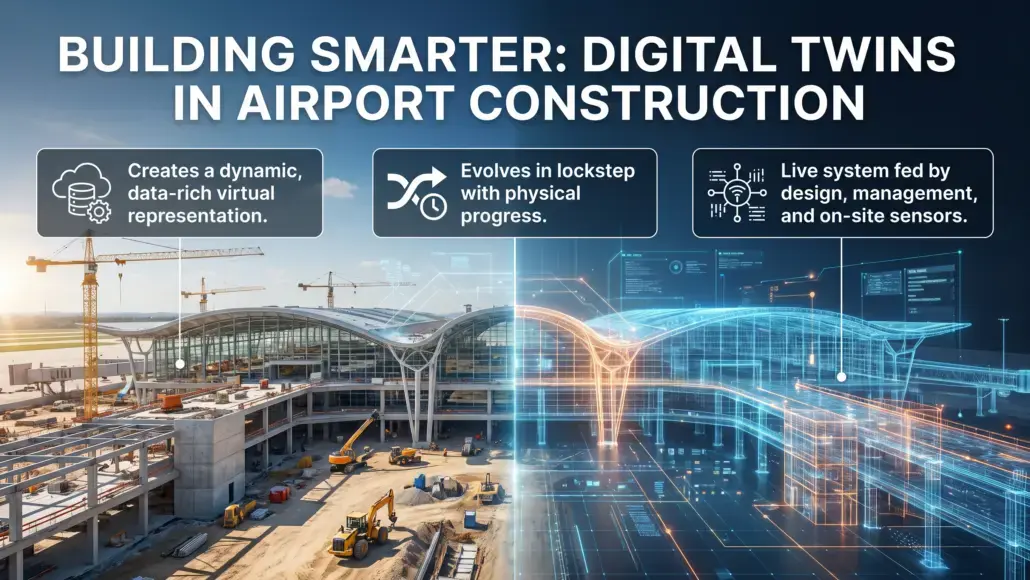


The concept of the digital twin has moved from a theoretical framework to a core component of modern aviation infrastructure development. Digital twin integration optimizing airport construction lifecycle involves the creation of a dynamic, data-rich virtual representation of the terminal that evolves in lockstep with the physical building. This virtual mirror is not a static model; it is a live system that consumes data from design software, construction management platforms, and on-site sensors to provide a real-time view of the facility’s state. From the earliest stages of the project, the digital twin serves as a central repository for all design decisions and technical specifications, ensuring that every stakeholder is working from the same foundation of information.
During the construction phase, the digital twin allows for the simulation of complex building sequences and logistical operations. Engineers can virtually “construct” the terminal multiple times before any ground is broken, identifying potential bottlenecks and optimizing the use of cranes, staging areas, and labor. This virtual rehearsals capability is especially valuable for airport projects where site access is limited and the margin for error is thin. By testing different construction strategies in the virtual world, the project team can select the most efficient and low-risk approach, leading to significant time and cost savings. The digital twin also facilitates better communication with airport authorities and airline tenants, who can use the model to visualize the final facility and provide feedback early in the design process. The ability to simulate the impact of weather events or supply chain disruptions on the construction schedule provides an additional layer of risk management.
Real-Time Synchronization of Design and Site Activity
A key challenge in large-scale construction is the gap between the design intent and the field reality. Digital twin integration optimizing airport construction lifecycle bridges this gap by providing a continuous feedback loop between the job site and the virtual model. As construction progresses, data from laser scans, drones, and manual inspections is used to update the twin, ensuring that it accurately reflects the as-built condition of the terminal. This synchronization allows project managers to identify deviations from the design immediately and take corrective action before they impact subsequent work. The high degree of transparency provided by the twin also improves the quality of installation, as the field team can compare their work against the digital master in real time.
This real-time data flow also enhances the management of specialized systems such as baggage handling and security screening. These systems involve thousands of interconnected components that must be installed and tested with extreme precision. The digital twin allows for the virtual commissioning of these systems, where the control logic can be tested against the virtual model before the physical equipment is even powered on. This “digital commissioning” significantly reduces the time required for on-site testing and minimizes the risk of technical failures during the terminal’s opening phase. By integrating the technical data from manufacturers directly into the twin, the project team can also ensure that the final facility is fully compliant with all safety and operational regulations. The use of augmented reality tools allows field technicians to visualize the internal components of complex machinery by overlaying the digital twin data onto the physical equipment.
Enhancing Lifecycle Data Management and Handoff Procedures
The value of a digital twin extends far beyond the construction phase, as it provides a comprehensive data foundation for the entire lifecycle of the airport terminal. Digital twin integration optimizing airport construction lifecycle ensures that all information captured during the build, including material certifications, equipment warranties, and maintenance manuals, is logically linked to the virtual components of the building. This centralized data management simplifies the transition from the construction team to the facility operations team, which is traditionally a complex and error-prone process. Instead of receiving boxes of paper documents, the maintenance team receives a fully functional digital asset that is ready for immediate use.
This continuity of information allows for the implementation of more sophisticated asset management strategies. Maintenance teams can use the digital twin to visualize the location of concealed utilities, track the performance of individual HVAC units, and plan routine inspections with greater efficiency. The twin can also be used to simulate the impact of future renovations or expansions, allowing the airport authority to evaluate different options without disrupting ongoing operations. By providing a single source of truth for all building data, the digital twin reduces the risk of information loss and ensures that the facility remains efficient and productive for decades. This long-term perspective on data management is a key factor in the increasing adoption of digital twin technology in the aviation sector, as it offers a clear path to reducing the total cost of ownership for the infrastructure.
Optimizing Energy Consumption and Operational Performance
Modern airport terminals are massive consumers of energy, and the digital twin provides a powerful tool for optimizing environmental performance. Digital twin integration optimizing airport construction lifecycle allows for the integration of real-time sensor data from the building’s management system. By analyzing the flow of energy through the facility, the digital twin can identify inefficiencies and suggest improvements to the lighting, heating, and cooling systems. For instance, the system can use passenger flow data to automatically adjust the temperature in different areas of the terminal, reducing energy waste during off-peak hours. This data-driven approach to facility management not only lowers operational costs but also helps the airport to meet its sustainability goals.
The digital twin can also be used to simulate different operational scenarios, such as a sudden increase in passenger volume or a security emergency. By testing the terminal’s response to these events in the virtual world, the airport staff can develop more effective procedures and training programs. This predictive capability ensures that the facility is resilient and can adapt to the changing needs of the aviation industry. The integration of operational data into the construction-phase model creates a truly “smart” infrastructure asset that can learn and improve over time. As more airports move toward a digital first strategy, the ability to effectively manage and use a digital twin will become a critical factor in their success. The systematic analysis of building performance data allows for the continuous refinement of the facility’s operational parameters, ensuring a high-quality experience for all users.
Facilitating Collaborative Design and Stakeholder Engagement
The development of a new airport terminal involves a wide range of stakeholders, from government agencies to commercial retailers. Digital twin integration optimizing airport construction lifecycle provides a common platform for collaboration and communication among these diverse groups. Virtual reality and augmented reality tools can be used to “walk through” the digital twin, allowing stakeholders to experience the space and provide feedback on the layout, signage, and aesthetics. This immersive engagement ensures that the final facility meets the needs of all users and reduces the likelihood of costly changes late in the construction process.
Retail tenants can use the digital twin to plan the layout of their stores and evaluate the visibility of their storefronts from the main concourse. Airport security teams can use the model to optimize the placement of cameras and checkpoints, ensuring a smooth and secure experience for travelers. The transparency provided by the digital twin also builds trust with the local community and government regulators, as it provides a clear and objective view of the project’s progress and impact. By fostering a more collaborative and inclusive design process, digital twin technology helps to create terminals that are more functional, beautiful, and sustainable. This focus on stakeholder engagement ensures that the project remains aligned with the needs of the aviation market and the broader community, providing a foundation for long-term success.
The Future of Digital Twins in Global Aviation Infrastructure
The use of digital twins is poised to become a standard requirement for all major airport construction projects worldwide. As the technology becomes more accessible and the benefits more evident, we can expect to see the development of connected twins that represent entire airport ecosystems, including runways, hangars, and transportation hubs. Digital twin integration optimizing airport construction lifecycle will eventually lead to the creation of a global network of digital aviation assets, allowing for the sharing of best practices and the optimization of performance across the entire industry. The ongoing development of open data standards will facilitate this cross-border collaboration and ensure that the benefits of digital twins are available to airports of all sizes.
The integration of artificial intelligence and machine learning with digital twin technology will also open new possibilities for automated facility management and predictive maintenance. In the future, the digital twin may be able to autonomously diagnose and repair minor issues, further reducing the operational costs of the terminal. The shift toward digital twins represents a fundamental change in how we conceive and manage the built environment, moving from a static construct and forget mentality to a dynamic and lifecycle-based approach. The commitment to digital excellence in the aviation sector will ensure that the terminals of tomorrow are more efficient, resilient, and passenger-centric than ever before. This digital transformation provides a clear path to a more sustainable and connected future for the global aviation industry, ensuring that infrastructure can keep pace with the growing demands of travelers.