






















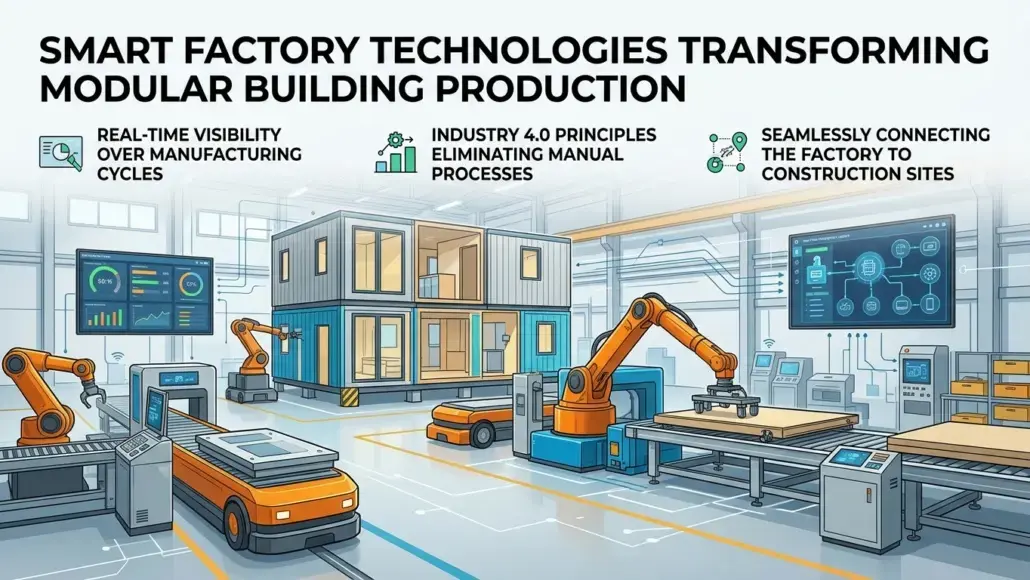


The construction sector is currently witnessing a fundamental shift in how building components are manufactured and managed. For decades, the fabrication of building parts was defined by manual processes and a lack of real-time visibility into the production cycle. This reality often resulted in inefficiencies, material waste, and a disconnect between the factory and the physical construction site. However, the introduction of Industry 4.0 principles is changing this environment. The implementation of smart factory technology for modular building production is providing manufacturers with the analytical depth required to optimize their operations, improve their manufacturing efficiency, and ensure full supply chain visibility.
Strategic factory management now relies on the ability to collect and analyze data from every stage of the production cycle. By utilizing the Internet of Things (IoT), manufacturers can connect their machinery, their materials, and their workforce into a unified digital network. This capability allows for the real-time monitoring of performance metrics, such as cycle times, energy consumption, and error rates. The move toward more intelligent and data-driven manufacturing ensures that the modular building sector can meet the increasing global demand for high-quality and sustainable construction. The focus remains on achieving the highest possible levels of productivity while minimizing the operational footprint of the facility.
IoT and Real-Time Data in Modular Manufacturing
The integration of IoT sensors into the factory floor is a major technical advancement that is redefining the standards of the modular sector. These sensors can track the movement of materials through the plant, monitor the health of the robotic machinery, and even sense the environmental conditions in the assembly area. In the context of modular building production, this data is essential for ensuring that every module is manufactured to the exact required specification. The shift toward a more engineered and data-driven approach to factory management is a hallmark of the modern industrial sector.
Furthermore, the use of real-time data allows for the implementation of predictive maintenance programs that can prevent unexpected downtime. By analyzing the vibration and the temperature profiles of a machine, AI algorithms can identify the subtle signs of wear before a failure occurs. This proactive approach to maintenance ensures that the factory can operate at its full potential over multiple shifts, which is essential for meeting the demanding schedules of large-scale construction projects. The ability to maintain high speeds of production with professional precision is what defines the quality of a smart factory. The focus remains on providing a stable and reliable foundation for the entire manufacturing process.
Manufacturing Efficiency and Supply Chain Visibility
The primary benefit of utilizing smart factory technology is the significant improvement in the overall efficiency of the production line. By identifying and eliminating the bottlenecks in the manufacturing process, companies can increase their output without a corresponding increase in their labor or material costs. This economic efficiency is vital for maintaining the sustainability of the modular building market, especially as the competition for urban development projects continues to rise. The use of data-driven insights ensures that the research and the development efforts are focused on the most promising areas of process optimization.
Furthermore, the integration of the factory with the broader supply chain provides a level of visibility that was previously unattainable. By tracking the arrival of raw materials and the departure of finished modules in real-time, manufacturers can optimize their inventory levels and reduce the risk of stockouts or overages. This supply chain visibility is essential for ensuring that the physical construction site is always supplied with the components it needs, preventing the delays that often plague traditional construction projects. The move toward a more connected and responsive supply chain is a defining characteristic of the modern packaging and processing industries, and the role of smart technology in supporting this transition is indisputable.
Construction Technology and Digital Twin Integration
The success of any modular project depends on the accurate translation of the design into a physical product. In a smart factory environment, this is achieved through the use of digital twin technology. A digital twin is a virtual representation of the physical module that is updated in real-time as the unit moves through the production line. This capability allows for the verification of every structural connection and material join against the original design specifications. Any deviation can be identified and corrected immediately, ensuring a level of quality and consistency that exceeds human capability.
Furthermore, the integration of this construction technology with building information modeling (BIM) allows for a seamless flow of data between the design team and the factory floor. This digital connectivity ensures that the latest design changes are implemented across the entire production line instantly, reducing the risk of errors and rework. The use of digital twins also provides a valuable record of the building’s construction that can be used for future maintenance and operations. The commitment to technical excellence in digital modeling is what will define the leaders of the construction industry in the years to come, providing a secure foundation for the next generation of modular buildings.
The Future Strategic Direction of Modular Building Production
As the industrial sector continues to evolve toward a more autonomous model, the role of intelligent machinery in the factory will only grow in importance. We are already seeing the emergence of smart factories that can self-optimize their production schedules based on the current demand and the availability of materials. This move toward a more integrated and self-correcting manufacturing environment represents the next frontier in construction productivity. The role of smart factory technology in supporting this evolution is essential, as it provides the physical platform for the automated production of building components.
In the coming years, the integration of augmented reality and worker-assist systems will further enhance the value of the smart factory. These tools can provide workers with real-time instructions and quality checks, ensuring that even the most complex tasks are executed with professional precision. This would provide a more secure and predictable environment for the entire production team, ensuring that the project goals are met with high efficiency. The ability to manage complex fabrication requirements with the same ease as a simple assembly task is a major goal for both researchers and developers. The ongoing commitment to technical innovation and operational excellence is what will define the success of these programs in the decades to come.
The transition toward a more connected and data-driven approach to manufacturing is a defining characteristic of the modern industrial sector. By prioritizing the use of smart factory technology, manufacturers can achieve levels of efficiency and quality that were once considered unattainable. The benefits of this approach extend beyond the factory floor, contributing to a more responsive and resilient construction industry that is better equipped to handle the challenges of a global market. The commitment to technical excellence and professional collaboration is what will define the success of these programs in the years to come.
As the industry moves forward, the focus will remain on the refinement of mechanical properties and the continued improvement of production outcomes. The ability to handle the increasing complexity of new materials and regulatory requirements will remain a key challenge for engineers and plant managers alike. The ongoing evolution of smart factory technology is a testament to the power of technical innovation in the service of manufacturing productivity, ensuring that the next generation of modular building production is both fast and reliable for every organization that needs it.