



























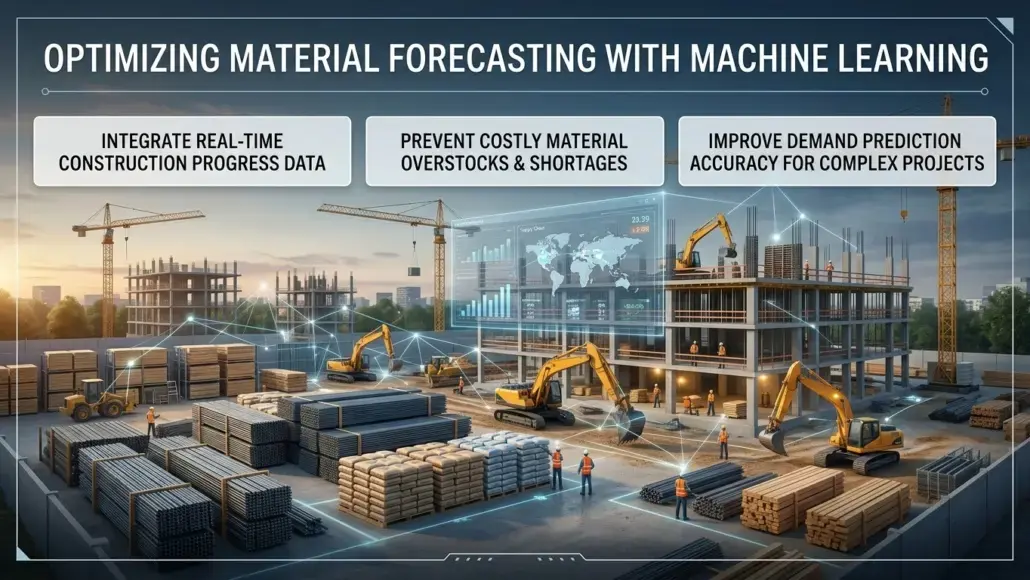


The construction industry has historically struggled with the precise prediction of material requirements across complex, multi-year projects. Traditional methods of forecasting often rely on static schedules and historical averages, which fail to account for the dynamic realities of a job site. Delays in one area of a project can lead to an accumulation of materials that are not yet needed, while unexpected progress can cause shortages that halt work entirely. The introduction of machine learning into the procurement process is addressing these inefficiencies, and it is becoming clear that AI improves material demand forecasting by analyzing real-time project data to synchronize the supply chain with the actual pace of construction.
Accuracy in procurement is not merely an administrative goal; it is a financial necessity. For a large-scale project, even a small percentage of over-ordering can result in millions of dollars in tied-up capital and unnecessary storage costs. Conversely, the cost of a crew standing idle because a shipment of steel or concrete has not arrived is a major drain on project profitability. Artificial intelligence allows for a more fluid and responsive approach to logistics, where orders are adjusted dynamically based on the verified progress of the build. This shift from “push-based” to “demand-driven” supply chain management is a fundamental requirement for the modern construction sector.
Managing Supply Chain Volatility and Market Trends
The global supply chain for construction materials is subject to a wide range of external pressures, from geopolitical instability to fluctuations in commodity prices. Traditional procurement strategies are often too rigid to respond to these changes effectively. When AI improves material demand forecasting, it does so by integrating external data points into its predictive models. Machine learning algorithms can monitor global shipping trends, raw material indices, and even weather patterns that might affect the transport of heavy goods. This allows procurement managers to identify potential disruptions before they occur, providing the time needed to source alternative suppliers or adjust project timelines.
Furthermore, artificial intelligence can identify patterns in price volatility, suggesting the optimal time to purchase bulk materials such as lumber or copper. By analyzing historical price cycles and current market sentiment, the system can provide a clear recommendation on whether to lock in a price now or wait for a projected dip. This level of financial foresight is a significant advantage in an industry where material costs can represent more than half of the total project budget. The ability to manage market risk through data-driven insights is a key factor in the long-term resilience of a construction firm.
Reducing Onsite Waste and Environmental Impact
The construction sector is responsible for a significant portion of global waste, a large part of which is composed of unused or damaged materials. Over-ordering is often used as a hedge against shortages, but it frequently results in surplus stock that is discarded at the end of a project. AI improves material demand forecasting by ensuring that the volume of materials delivered to the site is closely matched to what is actually required for the next phase of work. This “just-in-time” delivery model reduces the time that materials spend sitting in a storage yard, where they are vulnerable to weather damage or theft.
The environmental benefits of reduced waste are matched by the logistical improvements. Fewer deliveries mean a lower carbon footprint for the project’s transport operations, and a cleaner, less cluttered site is inherently safer for workers. By providing a precise map of what is needed and when, artificial intelligence allows for a more organized and efficient staging area. This focus on resource efficiency is essential for projects aiming for high sustainability ratings, such as LEED or BREEAM. When material use is optimized through data, the entire environmental profile of the build is improved.
Enhancing Project Management and Labor Efficiency
The integration of forecasting tools with project management software provides a unified view of the build that is accessible to all stakeholders. When AI improves material demand forecasting, the results are reflected in the master schedule, allowing site supervisors to plan labor with greater confidence. If the AI identifies a delay in the delivery of a critical component, the project manager can reallocate the workforce to other tasks immediately, preventing the loss of productive hours. This level of agility is essential for maintaining momentum on a complex project where hundreds of workers must be coordinated across different trades.
The data generated by these forecasting systems also provides a valuable tool for post-project analysis. By comparing the predicted demand against the actual usage, firms can identify areas where their internal processes need improvement. For instance, if a specific subcontractor is consistently using more material than was forecast, it may indicate a need for better training or a change in construction methods. This continuous feedback loop ensures that the firm’s forecasting capabilities become more accurate with every project. The ability to turn historical data into actionable insights is what defines a truly modern and competitive construction enterprise.
Future Directions in Automated Procurement
The continued development of artificial intelligence will likely lead to even more automated and integrated procurement systems. We are already seeing the emergence of “autonomous purchasing” where the AI can place orders and manage invoices without human intervention, once certain parameters are met. This reduces the administrative burden on the procurement team, allowing them to focus on strategic supplier relationships and contract negotiations. As the technology matures, we can expect to see deeper integration with the “digital twins” of buildings, where the physical state of the structure is synchronized with its digital counterpart in real-time.
In the coming years, the ability to forecast demand with high accuracy will be a fundamental requirement for anyone operating in the built environment. As the complexity of projects increases and the margins for error decrease, the reliance on data will only grow. Those firms that embrace artificial intelligence to manage their material needs will find themselves better equipped to handle the challenges of a volatile and fast-moving market. The shift toward data-driven logistics is not just an upgrade to a single process; it is a reorganization of the entire construction workflow around the principles of precision and efficiency.
Ultimately, the goal of improved forecasting is to create a more predictable and stable environment for construction work. By removing the uncertainty from the supply chain, artificial intelligence is enabling the industry to deliver projects with greater speed, quality, and financial discipline. It is a transition from a reactive, crisis-managed culture to one that is proactive and strategic. The future of construction is one where the physical world and the digital world are in perfect sync, and material demand forecasting is the bridge that makes that possible.
As we look toward the future, the integration of these tools will become the standard of care for the profession. The ability to predict the future with data is a powerful tool that is changing the way we think about the logistics of building. Firms that invest in these capabilities today will be the leaders of the industry tomorrow, providing the reliable and efficient services that the modern world demands.