























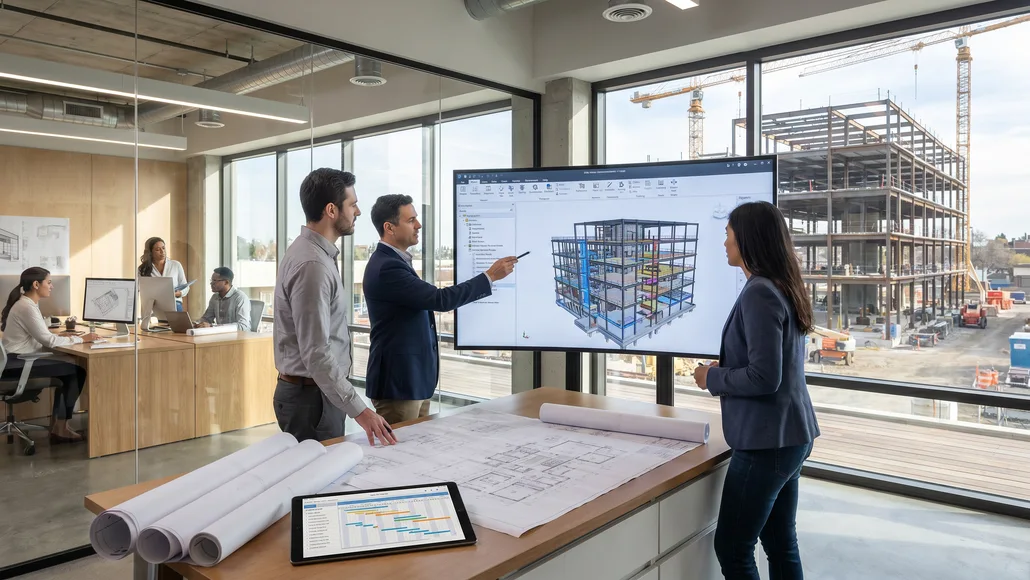


The global construction industry is undergoing a profound digital transformation that is fundamentally reshaping how projects are conceived, designed, planned, and executed. For decades, the sector struggled with inefficiencies, design discrepancies, budget overruns, and scheduling conflicts, primarily due to fragmented communication, manual data entry, and static paper-based workflows. Today, the integration of advanced building design software has ushered in a new era of precision, predictability, and collaboration. By deploying digital design platforms streamlining construction planning, project stakeholders can now synchronize their efforts, identify potential conflicts before breaking ground, and optimize every phase of the construction lifecycle. This technology-driven approach not only accelerates project timelines but also significantly mitigates financial and operational risks across diverse construction projects, from high-rise commercial structures to complex infrastructure developments.
The Paradigm Shift in Pre-Construction Workflows
The traditional pre-construction phase was often characterized by organizational silos, where architects, structural engineers, and mechanical, electrical, and plumbing specialists worked independently on separate drafting planes. Communication was linear and slow, and revisions were difficult to track. This lack of integration meant that design inconsistencies were frequently discovered only on the job site during physical installation, leading to a high probability of errors, delays, and costly structural modifications.
Modern digital construction has dismantled these traditional barriers by establishing a unified, multi-dimensional digital environment where all design disciplines converge from the earliest stages of a project. These platforms act as a single source of truth, where every design decision is immediately visible and evaluated for its impact on other building systems. This level of transparency is essential for modern construction planning, which demands unprecedented levels of coordination. By using centralized, cloud-hosted databases, digital design platforms streamlining construction planning allow teams to transition from reactive conflict resolution to proactive risk management, saving millions in potential rework and material waste.
BIM Technology as the Core of Digital Construction
At the heart of this digital revolution is Building Information Modeling technology, a process that goes far beyond simple three-dimensional modeling. BIM technology generates intelligent, data-rich digital representations of a facility’s physical and functional characteristics. Unlike flat computer-aided drafting drawings, every object within a BIM model from structural columns and concrete slabs to electrical conduits and HVAC ducts contains detailed metadata, such as thermal performance, structural load capacity, manufacturer specifications, and maintenance schedules.
This intelligence allows for automated collision detection, where the software identifies physical interferences between different building systems, such as a heating duct running through a structural steel beam. Resolving these clashes in the digital model takes a few clicks, whereas discovering them on-site can halt construction for days, requiring expensive site modifications and engineering consultations. For instance, in complex hospital projects where mechanical ductwork, medical gas piping, and electrical cabling must share a highly confined ceiling space, automated clash detection acts as a vital safeguard. By utilizing BIM technology, project teams ensure that the digital design matches the physical reality, facilitating a seamless transition from the design studio to the construction site and reducing project friction.
Collaborative Ecosystems and Real-Time Coordination
The success of any complex construction project depends on effective communication among a diverse group of stakeholders, including clients, architects, structural engineers, MEP consultants, general contractors, sub-contractors, and facility managers. Cloud-based digital design platforms facilitate this collaboration by providing real-time access to the design model from any device, anywhere in the world.
Whether a field engineer is reviewing structural details on a tablet at the construction site or a structural specialist is adjusting steel connections in an office thousands of miles away, everyone works with the most up-to-date information. These platforms feature automated change notifications, tracking revisions and updating all dependent components across the model. This real-time synchronization minimizes miscommunications, reduces administrative overhead, and accelerates the decision-making process, keeping projects on schedule and within budget. This shared ecosystem is particularly valuable in remote working scenarios, where international design teams must collaborate seamlessly across multiple time zones without losing data integrity or momentum.
Optimizing Material Allocation and Quantity Takeoffs
Accurate cost estimation and material procurement are critical to the financial viability of any construction project. Traditionally, quantity surveyors spent weeks manually measuring drawings and counting components to estimate the volume of concrete, steel, and other materials required. This manual process was highly susceptible to human error and often resulted in either material shortages or costly surpluses.
Modern building design software automates this quantity takeoff process by extracting physical dimensions and material data directly from the 3D model. When a design change is made such as adjusting the thickness of a concrete slab the software instantly recalculates the required material volumes. This dynamic link between design and estimation enables developers to conduct real-time cost feasibility studies, compare material alternatives, and secure highly accurate bids from suppliers, thereby optimizing cash flow, reducing financial risk, and minimizing material waste. Furthermore, integrated supply-chain tracking allows materials to be delivered in precise quantities exactly when they are needed on-site, reducing the physical storage footprint and waste.
Four-Dimensional Scheduling and Logistical Simulations
While 3D modeling resolves spatial coordination, adding the dimension of time introduces 4D BIM, a powerful tool for construction scheduling and logistical planning. By linking construction schedule activities directly to specific elements within the digital model, planners can visually simulate the entire construction sequence over time.
These visual simulations allow superintendents to identify logistical bottlenecks, plan crane placements, coordinate material deliveries, and optimize the staging areas on site. By visualizing the progression of the build, teams can identify logical sequencing errors such as scheduling interior drywall installation before the building envelope is weather-tight. This temporal coordination ensures a smooth on-site workflow, minimizes idle labor time, and improves safety by identifying high-risk activities and planning appropriate safety measures.
Cost Engineering and Financial Lifecycle Analysis
Financial control is crucial in construction, where thin margins leave little room for error. Extending the digital model to include cost data (5D BIM) allows for continuous cost engineering throughout the project life-cycle. Project managers can monitor actual expenses against the budget in real time, conduct cash flow projections, and assess the financial impact of design variations instantly.
Beyond the initial construction phase, digital construction platforms support life-cycle analysis (6D BIM) by tracking energy performance and sustainability metrics. This allows designers to evaluate the long-term operational costs of various materials and systems, such as comparing the upfront cost of premium high-efficiency HVAC equipment against its projected energy savings over twenty years. This holistic financial view enables developers to make data-driven decisions that optimize both capital expenditures and long-term operating costs.
Virtual and Augmented Reality in Spatial Planning
A major leap in spatial design is the integration of Virtual Reality and Augmented Reality technologies with digital design platforms. These immersive solutions allow architects and clients to step inside the digital building before construction begins. By wearing VR headsets, stakeholders can experience the physical scale of spaces, evaluate sightlines, and assess the aesthetic integration of finishes in an immersive environment.
Augmented reality, on the other hand, overlays digital models onto the physical job site. Field supervisors can use AR glasses or tablets to project 3D plans directly onto the built environment, verifying that installations align precisely with design drawings. This capability is invaluable for inspecting complex MEP installations, detecting spatial conflicts in real time, and ensuring high quality standards. It also allows for efficient client walkthroughs and visual approvals, speeding up the overall feedback cycle.
Addressing Adoption Barriers and the Interoperability Challenge
Despite the clear advantages, transitioning to fully digital workflows is not without challenges. One of the primary barriers is the upfront cost of software licenses, hardware upgrades, and employee training. Mastering complex building design software requires a steep learning curve, and resistance to change is common in an industry historically steeped in tradition.
Another major challenge is interoperability the ability of different software applications to exchange data seamlessly. Since different team members use different specialized tools, the industry relies heavily on open standards, such as Industry Foundation Classes, developed by building SMART. Ensuring seamless data exchange is vital to preventing information loss during handoffs. Forward-thinking firms overcome these barriers by investing in comprehensive training programs and adopting open BIM standards, unlocking the full potential of collaborative digital design platforms.
The Evolution of Smart Construction and Built Environments
As digital design platforms streamlining construction planning continue to mature, they are paving the way for the integration of cutting-edge technologies like artificial intelligence, machine learning, and digital twins. AI algorithms can analyze historical project data to predict scheduling risks, optimize material supply chains, and even generate alternative layout designs based on specified constraints.
A digital twin is a dynamic, virtual replica of the physical building that receives real-time data from IoT sensors embedded throughout the structure. During the planning phase, the digital twin serves as a testing ground for various operational scenarios. Once the building is occupied, the twin assists facility managers in optimizing energy consumption, predicting maintenance needs, and managing building systems efficiently.
In conclusion, digital design platforms are no longer optional tools for advanced firms; they are the cornerstone of modern, high-performance construction. By aligning design precision, structural engineering, logistical planning, and financial oversight, these platforms ensure that projects are completed faster, safer, and more cost-effectively. As technology continues to evolve, the integration of these digital ecosystems will remain the primary driver of innovation and efficiency in the global construction industry.