


























Close
WORLD OF CONCRETE
Wednesday, December 24, 2025
JEC WORLD 2026

Switch From Bagged To Bulk Cement Urged For Emerging Markets

Note* - All images used are for editorial and illustrative purposes only and may not originate from the original news provider or associated company.

Subscribe

- Never miss a story with notifications

- Gain full access to our premium content

- Browse free from any location or device.

Media Packs

Expand Your Reach With Our Customized Solutions Empowering Your Campaigns To Maximize Your Reach & Drive Real Results!

– Access the Media Pack Now

– Book a Conference Call

Leave Message for Us to Get Back

Related stories

The UK Government Plans on a Single Construction Regulator

The UK government has announced its plans to establish...

What Are the Best Options for Emergency Power Equipment?

A sudden power outage on a construction site or...

Comparing Costs: How Much Do Remanufactured Transformers Cost Compared to New Ones?

The adoption of renewable energy, grid modernization and rapid...
- Advertisement -
Achema Middleeast

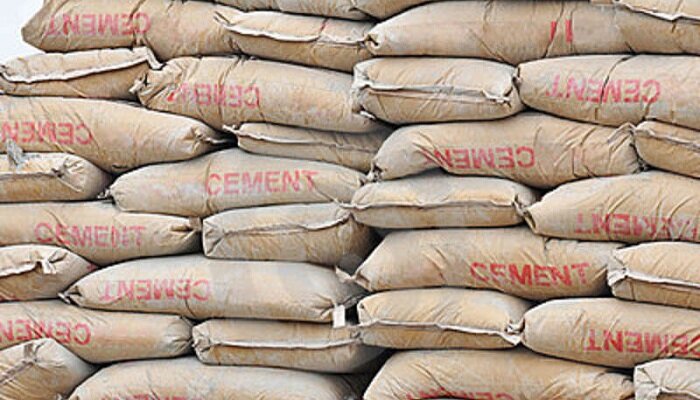
World Construction Today – Together with Boston Consulting Group, the Global Cement and Concrete Association (GCCA), and the World Economic Forum, led a group that did a study on cement and what it means for reducing carbon emissions in India, Brazil, Egypt, and Indonesia. These are four important emerging markets that use a lot of bagged cement.

According to the study, emerging markets’ use of cement is rising rapidly and accounts for up to 40% of global cement consumption.

The majority of the cement used in these markets is hand-mixed on-site and is bagged rather than delivered in bulk. According to GCCA, this raises the possibility of using cement inefficiently.

Without official formulas or quality control procedures in place, mixing by hand frequently results in the overuse of cement. According to the report, only 60% of the concrete on construction sites in Egypt and India and 30% in Indonesia is mixed mechanically.

The Mission Possible Partnership is urging governments in these developing nations to support the switch to bulk cement and ready-mixed cement in order to lessen cement’s carbon intensity. This is done through its Concrete Action for Climate Change project.

Governments should look for and change restrictive building standards that may obstruct decarbonization in major capital projects, the research recommends. According to the GCCA, these findings are being used to assist national cement industries in accelerating local implementation of the GCCA global roadmap to net-zero cement and concrete.

Achema Middleeast

Latest stories

Related stories

The UK Government Plans on a Single Construction Regulator

The UK government has announced its plans to establish...

What Are the Best Options for Emergency Power Equipment?

A sudden power outage on a construction site or...

Comparing Costs: How Much Do Remanufactured Transformers Cost Compared to New Ones?

The adoption of renewable energy, grid modernization and rapid...

What Is the Most Affordable Way to Clean Heat Exchangers and Turbines?

Heat exchangers and turbines move heat, convert energy and...

Subscribe

- Never miss a story with notifications

- Gain full access to our premium content

- Browse free from any location or device.

Media Packs

Expand Your Reach With Our Customized Solutions Empowering Your Campaigns To Maximize Your Reach & Drive Real Results!

– Access the Media Pack Now

– Book a Conference Call

Leave Message for Us to Get Back

Translate »