






















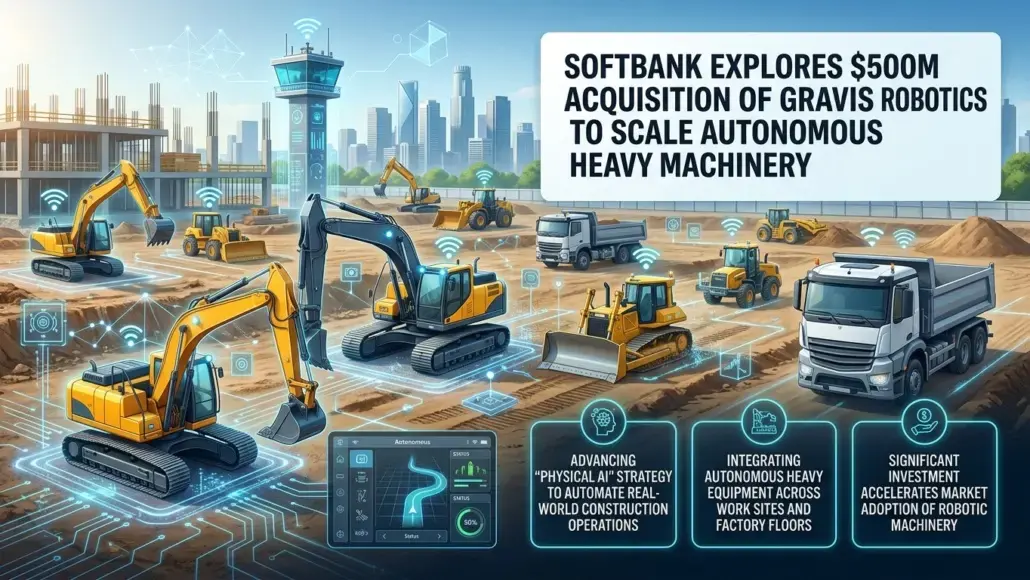


SoftBank Group is reportedly considering the acquisition of Gravis Robotics, a Swiss startup specializing in autonomous construction machinery, in a deal that could reach a valuation of approximately $500 million (¥82 billion). The move marks a significant acceleration of SoftBank’s “Physical AI” strategy, aimed at integrating artificial intelligence with real-world robotic operations across both factory floors and outdoor work sites. Under the proposed terms, SoftBank plans to place Gravis Robotics under its newly established AI and robotics holding company, “Roze,” based in the United States. This acquisition follows a series of aggressive investments by the group, including the planned takeover of ABB’s robotics division later this year, as it seeks to build a comprehensive platform for industrial automation.
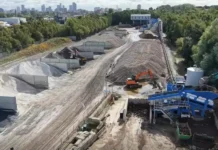
Gravis Robotics, founded in Zurich in 2022, has quickly established itself as a leader in the development of “smart construction equipment” technology. The company’s AI-driven systems are designed to provide autonomous control for heavy machinery such as excavators and bulldozers, allowing them to operate in the harsh and unpredictable environments typical of construction sites. This technological capability is seen as a vital solution for an industry currently grappling with a global shortage of skilled operators and an increasing need for improved site safety. By incorporating Gravis’s software into its portfolio, SoftBank aims to bridge the gap between indoor industrial robots and outdoor autonomous construction machinery, creating a unified ecosystem of automated solutions.
Expansion of the Physical AI Portfolio
The strategic rationale behind the acquisition is rooted in SoftBank’s broader push into the domain of Physical AI. While the group has a long history of investing in robotics through its Vision Fund and intermediate holding companies like Robo HD, the creation of Roze signals a more focused effort to reorganize and strengthen its robotics business. The integration of Gravis Robotics would complement the capabilities of ABB’s robotics division, which is known for developing advanced robotic arms that can perceive and interact with their surroundings autonomously. By combining these two distinct technological pillars, SoftBank intends to offer a vertically integrated automation suite that serves everything from automotive manufacturing to large-scale infrastructure projects.
SoftBank’s spokesperson has declined to comment on the specific negotiations, but sources familiar with the matter indicate that the group may gradually underwrite new shares in Gravis in addition to purchasing stakes from existing shareholders. Gravis recently raised $23 million in venture capital in late 2025, underscoring its rapid growth and the high market demand for its specialized autonomous systems. The deal would provide the young startup with the massive organizational backing and capital required to scale its technology globally, though the high valuation and the challenges of integrating a four-year-old firm into a global conglomerate remain key points of focus for market observers.
Market Outlook and Operational Challenges
The global construction equipment automation market is projected to expand significantly as labor costs rise and regulatory pressure for workplace safety intensifies. SoftBank’s entry into this sector is timed to capitalize on these tailwinds, positioning the group as a primary provider of the software and hardware infrastructure required for the next generation of industrial work. However, the success of this strategy will depend on SoftBank’s ability to maintain Gravis’s rapid pace of innovation while navigating the complexities of large-scale corporate integration.
Market analysts are also scrutinizing the $500 million valuation, which some argue may be high for a company of Gravis’s age and current revenue base. Despite these concerns, SoftBank’s track record of bold, sector-defining investments suggests a long-term confidence in the convergence of AI and heavy machinery. As the second half of 2026 approaches, with both the ABB and potential Gravis acquisitions on the horizon, the industry will be watching closely to see if SoftBank can successfully transform itself into the leading platformer for the Physical AI era.