






















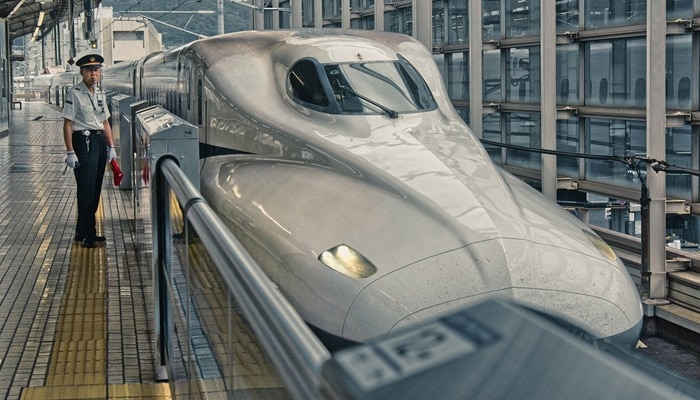


The construction of railway vehicles has undergone significant advancements as industry leaders focus on innovation. New designs not only boost safety but also promote sustainability. With networks expanding to meet increasing passenger and freight demands, using advanced materials has also become crucial. These composites are chosen for their capacity to not only reduce weight but further prolong lifespan and resistance.
High-Strength Steels
Incorporating durable metal in railcar construction provides several advantages. This includes improved structural integrity and increasing resistance to environmental conditions. Renowned for its remarkable toughness and capacity to endure bulky loads, steel is a perfect match with these challenging situations.
It is also a preferred choice for underframes and bogies due to their critical nature. Additionally, using sturdy materials minimizes frequent replacements and decreases lifecycle costs. Overall, it makes installations more feasible and significantly reinforces railcar safety measures like overhead fall protectors.
Aluminum Alloys
These are prominent in railcar production because of their lightweight properties. They considerably decrease the total mass of trains, leading to enhanced fuel efficiency and reduced track wear. Primarily used in the body shells of contemporary passenger cars, aluminum also facilitates higher speeds. Its natural corrosion resistance also helps cars retain their visual appeal and structural integrity for several years.
Composite Materials
Hybrid components are crucial for availing dual benefits. Carbon filaments and fiberglass are specifically ideal for applications demanding high strength-to-weight ratios. This quickly makes them ideal for doors, paneling, and specific structural components. Additionally, composites effectively absorb vibrations for smoother passenger rides. Their adaptability further enables the creation of complex shapes to meet precise aerodynamic and aesthetic requirements.
Corrosion-Resistant Coatings
These are essential for shielding railcars from daily harsh conditions. Applied to interior and exterior metal surfaces, coatings prevent rust and prolong the operational lifespan of the vehicles. Advances in technology have led to newer formulations offering improved protection with reduced maintenance needs. Consequently, operators can steer clear of expensive repairs and downtime. This quickly keeps fleets active for extended durations and optimizes return on investments.
Thermoplastic Polymers
Synthetic resins are becoming increasingly popular due to their outstanding durability against environmental pressures. These are increasingly being used for seats, window frames, and interior linings, where impact resistance is crucial. The versatility of thermoplastics also enables high-level design customization. It helps create more ergonomic and passenger-friendly interiors. Additionally, these materials enhance the overall recyclability of railcars. This quickly supports global efforts towards more sustainable manufacturing practices.
Smart Materials
Innovative solutions are turning traditional trains into modern technological wonders. Advanced materials can alter their properties in response to external factors like temperature and pressure, ensuring peak performance and safety.
For instance, piezoelectric compounds can easily detect structural stress. This helps modify thermal characteristics for improved passenger comfort. Embedding sensors and IoT devices within these further makes predictive maintenance possible. It significantly minimizes unexpected breakdowns and enhances fleet management efficiency.
Endnote
As the railway industry evolves, incorporating innovative materials is essential for enhancing safety, efficiency, and sustainability. Fortunately, advanced materials can boost durability and support global initiatives to reduce the overall carbon footprint. These can also effectively help meet future transportation needs, further reducing reliance on outdated methods.