




























Emergencies don’t announce themselves. One minute it’s a normal day; the next, someone’s dealing with a cut, burn, or something worse. The question is—are you ready?
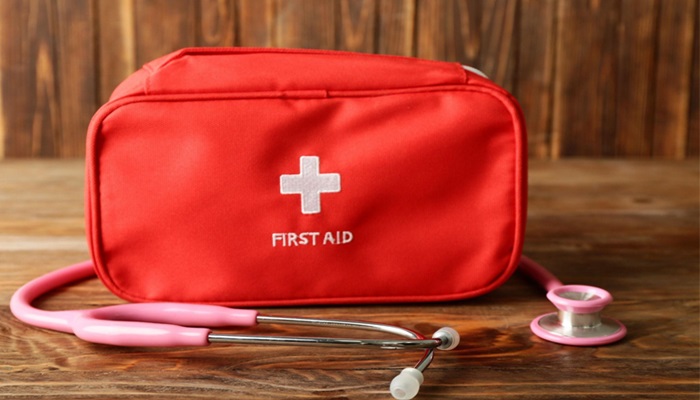
First aid kits aren’t just a box of bandages sitting in a dusty corner. They’re a safety net. A signal to your employees that you’ve got their backs. And, in some cases, they’re the difference between a small scare and a big disaster.
Why Every Workplace Needs a First Aid Kit
Accidents happen—no matter how safe you think your workspace is. Slips, cuts, burns, allergic reactions—they’re part of life. What’s crucial is how you handle them.
Having a well-stocked first aid kit means you’re ready to act, not panic. It can prevent small injuries from turning into big problems. And let’s not forget—it shows your team that their safety is your priority. When employees feel cared for, they work better. It’s that simple.
What Should Be in Your Kit?
Here’s the deal: not all first aid kits are created equal. A generic one-size-fits-all kit might not cut it for your workplace.
The Basics:
- Bandages (all shapes and sizes)
- Antiseptic wipes
- Adhesive tape
- Scissors
- Gloves
Workplace-Specific Must-Haves:
- Eye wash stations for industrial settings
- Burn dressings for kitchens
- Cold packs for warehouses
Go the Extra Mile:
- CPR masks
- A defibrillator (for larger teams or high-risk environments)
It’s not about ticking a box; it’s about being ready for what your workplace might face.
Other Types of Emergency Kits Workplace Could Have
First aid kits are just the beginning. Depending on your workplace and the risks involved, you may need additional emergency kits to ensure safety and preparedness. Here’s a list to guide you:
1. Fire Safety Kits
- What’s Included: Fire extinguishers, fire blankets, smoke masks, and emergency exit maps.
- Why It’s Important: Fires can spread quickly, and having the right tools can prevent small incidents from turning into disasters.
2. Spill Kits
- What’s Included: Absorbent materials, gloves, safety goggles, disposal bags, and neutralizing agents.
- Why It’s Important: Ideal for workplaces handling chemicals or hazardous materials. Spill kits help contain and clean up leaks safely.
3. Earthquake Kits
- What’s Included: Water, non-perishable food, blankets, flashlights, batteries, and emergency radios.
- Why It’s Important: In earthquake-prone areas, these kits can provide essential supplies during a natural disaster.
4. Weather Emergency Kits
- What’s Included: Blankets, ponchos, water, food, flares, and portable phone chargers.
- Why It’s Important: Whether it’s a hurricane, flood, or snowstorm, these kits keep employees safe and comfortable if they’re stranded.
5. Trauma Kits
- What’s Included: A trauma first aid kit includes advanced medical supplies like tourniquets, hemostatic agents, chest seals, and splints.
- Why It’s Important: Designed for high-risk environments like construction sites or factories where severe injuries are possible.
6. Lockdown or Security Kits
- What’s Included: Barricade tools, communication devices, water, snacks, and first aid supplies.
- Why It’s Important: Preparedness for active threats or security emergencies ensures employees have the resources to stay safe.
7. Eyewash and Decontamination Kits
- What’s Included: Eyewash bottles, saline solution, chemical-neutralizing wipes, and gloves.
- Why It’s Important: Essential for labs, factories, or anywhere workers are exposed to hazardous substances.
8. Vehicle Emergency Kits
- What’s Included: Jumper cables, flares, tire repair kits, blankets, and first aid supplies.
- Why It’s Important: For workplaces with company vehicles, these kits help keep drivers safe on the road.
9. Pandemic and Hygiene Kits
- What’s Included: Face masks, hand sanitizer, gloves, disinfectant wipes, and thermometers.
- Why It’s Important: Post-pandemic, these kits are a staple in maintaining health and hygiene in the workplace.
10. General Survival Kits
- What’s Included: Multi-tools, duct tape, rope, water purification tablets, and emergency blankets.
- Why It’s Important: Useful for workplaces in remote or high-risk areas where general preparedness is critical.
By equipping your workplace with the right emergency kits, you’re not just following regulations—you’re building a safer, more prepared environment for everyone. Tailor your kits to the specific needs of your workplace, and you’ll be ready for whatever comes your way.
A Kit is Only as Good as the People Using It
Having a top-notch first aid kit is great, but what happens if no one knows how to use it? This is where training comes in.
Teaching your team basic first aid skills—how to stop bleeding, treat burns, or even perform CPR—can save precious minutes in an emergency. Minutes that can mean the difference between a full recovery and a major injury.
And let’s be honest: trained employees feel empowered. It’s a confidence boost that benefits your whole workplace culture.
Stay Compliant, Stay Safe
Here’s the not-so-fun part: regulations. Depending on where you’re based, you’re probably required to have a first aid kit. Laws vary by industry and location, but ignoring them isn’t an option.
Non-compliance can lead to fines, lawsuits, or worse—an employee getting hurt with no way to help them. Keep your kit up to legal standards, and you’re protecting your people and your business.
Don’t Let Your Kit Collect Dust
A first aid kit isn’t “set it and forget it.” Supplies run out. Items expire. And an empty or outdated kit is about as useful as an empty fire extinguisher.
Regular checks are key. Assign someone to keep it stocked and ready. Make it part of your routine—just like locking up at night or restocking inventory.
Real-Life Proof: First Aid Saves Lives
Picture this: A team member slips in the warehouse and hits their head. Thanks to a properly stocked first aid kit and a trained coworker, they’re treated quickly and safely before paramedics arrive.
These moments happen more often than you think. And when they do, being prepared isn’t just smart—it’s essential.
Conclusion: Be Ready for Anything
First aid kits aren’t just a workplace accessory. They’re a lifeline. A sign that you care about your team.
Take a look at your workplace. Is your first aid kit up to the challenge? If not, now’s the time to fix that. Because when emergencies happen—and they will—you want to be ready. Not panicking.
Your team deserves it. Your business depends on it. Make safety a priority today.