






















Close
MCE 2026
Thursday, January 29, 2026
JEC WORLD 2026

CEMEX to introduce hydrogen technology to reduce CO2 emissions in four cement plants in Mexico

Note* - All images used are for editorial and illustrative purposes only and may not originate from the original news provider or associated company.

Subscribe

- Never miss a story with notifications

- Gain full access to our premium content

- Browse free from any location or device.

Media Packs

Expand Your Reach With Our Customized Solutions Empowering Your Campaigns To Maximize Your Reach & Drive Real Results!

– Access the Media Pack Now

– Book a Conference Call

Leave Message for Us to Get Back

Related stories

Digital Planning Tools for Building Envelope Systems

The complexity of modern architectural skins requires a fundamental shift in how we conceive, design, and manage the outer boundaries of our structures. By leveraging advanced digital planning platforms and integrated modeling environments, the construction industry can achieve unprecedented levels of precision, ensuring that every component of the structural perimeter is optimized for performance, durability, and long-term sustainability throughout its entire operational lifecycle.

Fire Safety and Compliance in Building Openings

The protection of life and property in the built environment depends heavily on the integrity of apertures within fire-rated compartments, where every door and window must function as a reliable barrier against the spread of heat and smoke. By strictly adhering to modern fire regulations and implementing rigorously tested opening systems, architects and developers can ensure a high level of passive fire protection that safeguards occupants and facilitates a more effective response from emergency services.

High Performance Windows Meeting Global Energy Codes Today

The implementation of superior fenestration technology is no longer an optional upgrade but a fundamental necessity for architectural projects aiming to achieve regulatory compliance and long-term sustainability. By integrating advanced glazing and framing solutions, buildings can significantly reduce their operational energy demand while providing occupants with enhanced comfort and durability against a backdrop of increasingly stringent global construction standards.
- Advertisement -
Advancing Prefabrication 2026

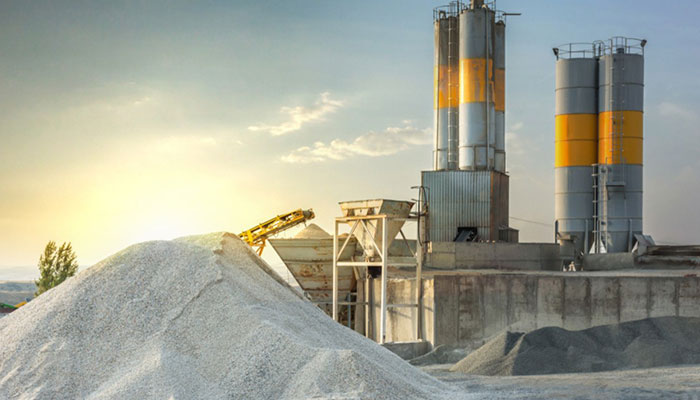
CEMEX, S.A.B. de C.V. announced that it will implement hydrogen injection technology at four of its cement plants in Mexico as part of its Future in Action program to achieve sustainable excellence and become a net-zero CO2 company.

By injecting hydrogen into its cement kilns as a catalyst, CEMEX may optimize the combustion process and increase its use of alternative fuels, decreasing its use of fossil fuels. The use of lower-carbon fuels is an essential lever for the company’s 2030 goal to reduce CO2 emissions in cement production by more than 47%. In September 2022 CEMEX reached an all-time-high 34% alternative fuels substitution rate.

“Hydrogen is a key technology to accelerate the implementation of our climate action roadmap,” said Ricardo Naya, President of CEMEX Mexico. “With this project, we expect to increase alternative fuels consumption in our kilns by 8 to 10 percent.”

CEMEX is a pioneer in the adoption of hydrogen technology in the building materials industry, with successful projects running since 2019. As of 2021, the company uses hydrogen in all its European plants, and recently inaugurated a similar project in the Dominican Republic. The company expects to continue scaling its use in other operations worldwide.

CEMEX is also working with several partners to discover and pilot breakthrough technologies for hydrogen to be used as low or zero-carbon primary fuel source in cement production.

Future in Action is CEMEX’s program to achieve sustainable excellence through climate action, circularity, and natural resource management with the primary objective of becoming a net-zero CO2 company. Through Future in Action, CEMEX has achieved record-breaking progress in reducing its carbon footprint over the past 20 months.

CEMEX (NYSE: CX) is a global construction materials company that is building a better future through sustainable products and solutions. CEMEX is committed to achieving carbon neutrality through relentless innovation and industry-leading research and development. CEMEX is at the forefront of the circular economy in the construction value chain and is pioneering ways to increase the use of waste and residues as alternative raw materials and fuels in its operations with the use of new technologies. CEMEX offers cement, ready-mix concrete, aggregates, and urbanization solutions in growing markets around the world, powered by a multinational workforce focused on providing a superior customer experience, enabled by digital technologies.

Achema Middleeast

Latest stories

Related stories

Digital Planning Tools for Building Envelope Systems

The complexity of modern architectural skins requires a fundamental shift in how we conceive, design, and manage the outer boundaries of our structures. By leveraging advanced digital planning platforms and integrated modeling environments, the construction industry can achieve unprecedented levels of precision, ensuring that every component of the structural perimeter is optimized for performance, durability, and long-term sustainability throughout its entire operational lifecycle.

Fire Safety and Compliance in Building Openings

The protection of life and property in the built environment depends heavily on the integrity of apertures within fire-rated compartments, where every door and window must function as a reliable barrier against the spread of heat and smoke. By strictly adhering to modern fire regulations and implementing rigorously tested opening systems, architects and developers can ensure a high level of passive fire protection that safeguards occupants and facilitates a more effective response from emergency services.

High Performance Windows Meeting Global Energy Codes Today

The implementation of superior fenestration technology is no longer an optional upgrade but a fundamental necessity for architectural projects aiming to achieve regulatory compliance and long-term sustainability. By integrating advanced glazing and framing solutions, buildings can significantly reduce their operational energy demand while providing occupants with enhanced comfort and durability against a backdrop of increasingly stringent global construction standards.

Sustainable Materials Shaping Future Building Envelopes

The selection of environmentally responsible building components is fundamentally altering the trajectory of modern construction, moving away from carbon-intensive resources toward innovative, low-impact alternatives. By utilizing advanced bio-based composites, recycled metals, and high-performance insulation, designers are creating resilient structures that not only minimize their initial environmental footprint but also provide superior operational efficiency throughout their entire lifecycle.

Subscribe

- Never miss a story with notifications

- Gain full access to our premium content

- Browse free from any location or device.

Media Packs

Expand Your Reach With Our Customized Solutions Empowering Your Campaigns To Maximize Your Reach & Drive Real Results!

– Access the Media Pack Now

– Book a Conference Call

Leave Message for Us to Get Back

Translate »