


























In the construction industry, smart technology and artificial intelligence (AI) play crucial roles across site management, significantly transforming operations. When implemented correctly, these advancements provide numerous benefits and a competitive edge.
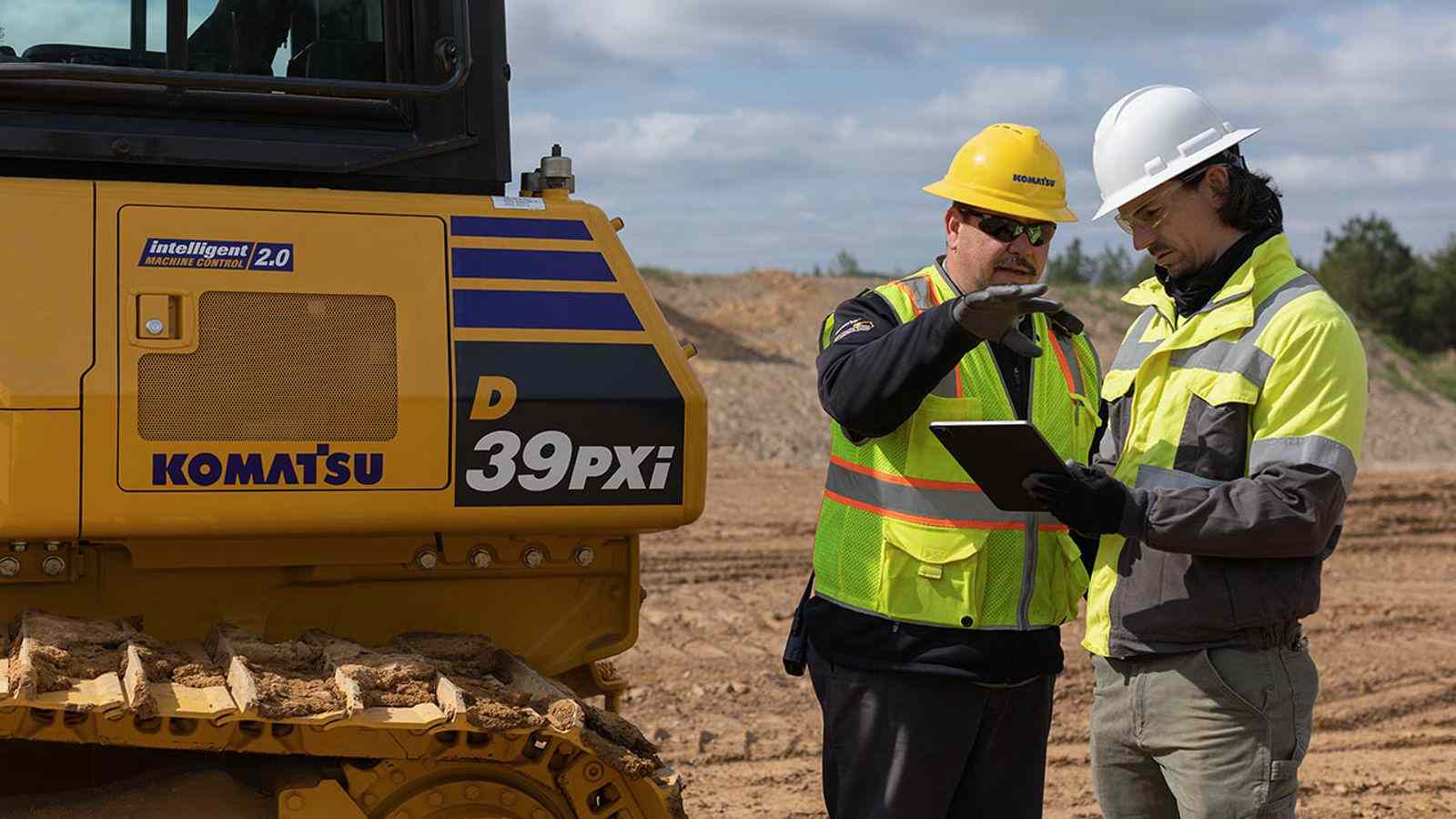
As we move towards a more digitally advanced future in construction, Bart Vingerhoets, Senior Commercial Manager at Komatsu Smart Construction, explores how smart technology and AI are reshaping the construction landscape, streamlining operations and helping address the widespread skills gap within the industry.
The role of smart technology
Smart technology is transforming how construction projects are planned, managed, and executed. From drones and wearables to advanced sensors, these tools give teams greater control and visibility on the ground.
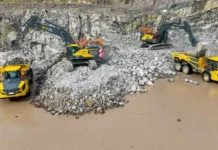
In both construction and earthmoving, smart systems support each stage of a project. Technology such as sensors on site structures have the ability to monitor conditions remotely, flag safety concerns early and track material use as work progresses. By monitoring multiple stages of a construction site, managers are enabled to work proactively instead of reactively – reducing errors, improving quality and avoiding unnecessary re-work.
At its core, smart technology helps teams work more efficiently, make better decisions, and deliver stronger project outcomes. For example, Komatsu’s Smart Construction Dashboard creates a digital version of the job site, showing live data on materials, measurements and potential issues.
These features aid the elimination of over-digging, and incorrect material movement to reduce the amount of time required on site. Teams can respond quickly, solve problems as they arise, and maintain progress without unnecessary delays.
Smart technology and the skills shortage
Smart technology is essential as the sector continues to face a skills shortage. With a shortage of workers, an ageing workforce nearing retirement and increased demand for construction projects – a robust workforce is more important than ever.
The UK construction industry needs to recruit approximately 251,500 additional workers by 2028 to meet expected work levels, this equates to an average of 50,300 new workers needed per year1. Smart technology such as AI, robotics and IoT is crucial in upskilling the current workforce and onboarding the next generation to fulfil this shortage.
Solutions like the Komatsu Smart Construction suite are essential for helping the workforce acquire new skills through automation, data analysis and advanced tools. By integrating this technology, it not only enhances productivity but also equips employees with essential skills for the future.
Automation can also assist in streamlining various processes on the job site, reducing the need for manual intervention, freeing up time spent on tedious admin tasks, allowing workers to focus on more complex tasks that require problem-solving and creativity. As a result, the workforce can engage in upskilling, learning to manage and operate these advanced systems effectively.
These solutions enhance efficiency and adaptability, improving the overall workflow on construction sites. This transition not only boosts safety but also increases job satisfaction, making construction a more appealing career choice, especially for younger generations.
Incorporating AI technology in earthmoving and construction
AI is considered a ‘concept’ and is most commonly associated with autonomous equipment, giving machines the perceived ability to learn, problem solve and automate the earthmoving process based on machine learning.
In 2025, AI technology across European construction sites is in play, but not with the type of equipment many customers expect. An example of AI in the field is via Smart Construction’s Edge product, a hardware solution that advances the process of drone surveying by lowering technical complexity.
The tool uses a custom-built AI algorithm to automatically remove buildings, equipment and vegetation from the 3D point cloud it processes from the drone footage, delivering a clear, accurate, 3D representation of the site.
When uploaded to Smart Construction Dashboard, the user is provided a direct way of calculating job site progress quickly and identifying any challenges from a birds-eye-view perspective.
The future of construction sites
In 2025 and beyond, we can expect the adoption of smart technology and the use of AI on construction sites to continue to rise as more cost effective options hit the market. In fact, the global AI in construction market was estimated at £1.3 billion in 2023 and is projected to reach £9.1 billion by 20302.
The digitalisation across earthmoving and construction is making notable strides in line with the increased adoption of technology. Komatsu Smart Construction recently announced that its Remote solution will now be available as a standard with all purchases of Komatsu-branded guidance and control systems, recognising the brand’s ongoing efforts to prioritise interoperability and ease of digital transformation.