
























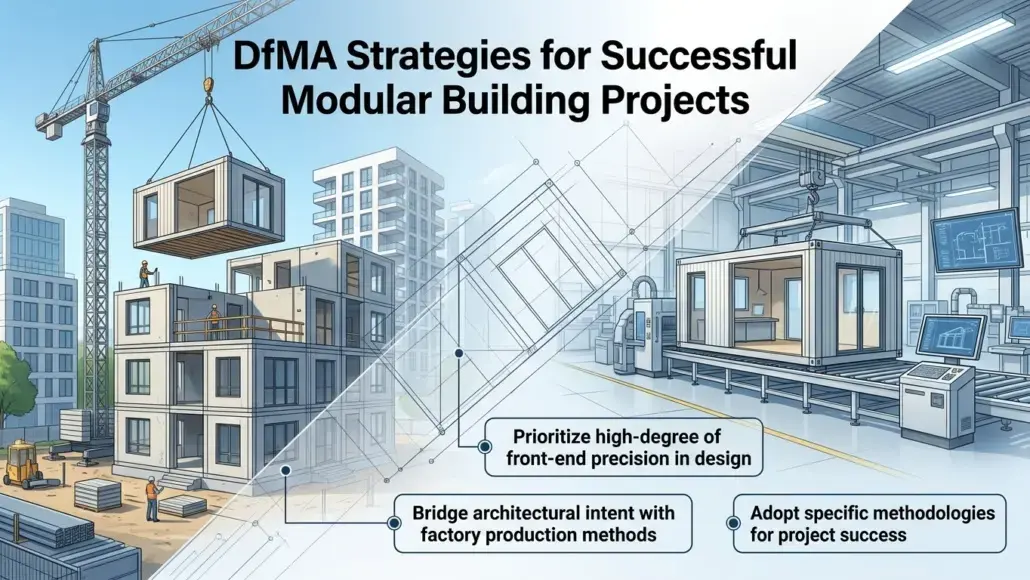


The successful delivery of modular construction projects is currently dependent on a fundamental shift in how buildings are designed and engineered. Unlike traditional construction, where the design often evolves during the physical build, modular projects require a high degree of front-end precision. The methodology used to bridge the gap between architectural intent and factory production is a primary determinant of project success. The implementation of DfMA strategies for successful modular building projects is providing the industry with the technical framework needed to optimize the entire lifecycle of the building, from the initial concept to the final onsite assembly. By prioritizing the principles of design for manufacture and assembly, developers can ensure that their projects are not only beautiful but also efficient and cost-effective.
Central to this advancement is the recognition that the factory environment has different constraints and opportunities than a traditional construction site. In a DfMA context, the focus is on creating components and modules that are easy to manufacture, transport, and install. This requires a sophisticated level of coordination between the architect, the engineer, and the manufacturer from the very first day of the project. This integrated design approach ensures that the resulting building components are optimized for high-speed production and that the logistical challenges of modular building are addressed long before any material is cut. The transition toward a more engineered and data-driven design model is a hallmark of the modern construction sector.
Design for Manufacture and the Optimization of Components
The manufacturing phase of a modular project is where the benefits of standardized design are most apparent. DfMA strategies involve the creation of a limited number of standardized components that can be combined in a variety of ways to create unique buildings. By reducing the complexity of the individual parts, manufacturers can achieve higher levels of efficiency and quality control. This approach is essential for maintaining the economic viability of the modular factory, as it allows for the use of automated machinery and repetitive processes. The move toward a more industrialised model of component production ensures that every part is manufactured to the exact required specification.
Furthermore, the use of DfMA allows for the selection of materials and fabrication methods that are specifically suited to the factory environment. For example, instead of using traditional field-applied finishes, a manufacturer might use pre-finished panels that are easily clipped into place on the assembly line. This level of technical precision reduces the amount of manual labor required and ensures a consistent level of quality across all modules. The focus remains on achieving the best possible balance between design flexibility and manufacturing efficiency, ensuring that the resulting building is both functional and cost-effective for every organization that needs it.
Assembly Strategies and Construction Logistics Precision
The assembly phase of a modular project is often the most critical stage for maintaining the schedule and the budget. If the modules are not designed for easy installation, the onsite assembly process can be slow and prone to error. DfMA strategies address this challenge by incorporating specialized connection systems and alignment features into the design of the modules. These advanced connections allow for the rapid and secure joining of the units, reducing the time spent on the physical site and minimizing the disruption to the local community. This focus on assembly precision is what allows for the successful delivery of complex modular buildings in a fraction of the time required by conventional methods.
Furthermore, the logistical challenges of transporting large volumetric modules must be considered during the design phase. This involves the optimization of the module dimensions to fit within national shipping constraints and the selection of lifting points that ensure safe and efficient handling. By addressing these logistics issues through DfMA, developers can avoid the unexpected costs and delays that often plague modular projects. The ability to provide a clear and data-driven justification for every logistical decision is a fundamental requirement for the modern project manager. The commitment to technical excellence in assembly and logistics is what will define the leaders of the construction industry in the years to come.
Integrated Design and the Future of Project Delivery
The move toward more sophisticated design strategies requires a fundamental reorganization of the project team. The successful implementation of DfMA strategies for successful modular building projects depends on the ability of different disciplines to work together in a unified digital environment. This involves the use of building information modeling (BIM) to create a “digital twin” of the project that includes all of the information needed for manufacture and assembly. By identifying and resolving conflicts in the digital model before production begins, the team can avoid the expensive rework that often occurs in traditional construction.
Looking ahead, the integration of generative design and artificial intelligence will further enhance the value of DfMA. These tools can analyze thousands of different design variations to identify the one that is most efficient to manufacture and assemble. This would provide a more secure and predictable environment for the entire production team, ensuring that the project goals are met with professional precision. The ability to manage complex modular requirements with the same speed and precision as a simple assembly task is a major goal for both researchers and developers. The ongoing commitment to technical innovation and operational excellence is what will define the success of these programs in the decades to come.
The transition toward a more connected and data-driven approach to design is a defining characteristic of the modern industrial sector. By prioritizing the use of DfMA, developers can achieve levels of efficiency and quality that were once considered unattainable. The benefits of this approach extend beyond the factory floor, contributing to a more responsive and resilient construction industry that is better equipped to handle the challenges of a global market. The commitment to technical excellence and professional collaboration is what will define the success of these programs in the years to come.
As the industry moves forward, the focus will remain on the refinement of design principles and the continued improvement of production outcomes. The ability to handle the increasing complexity of new materials and regulatory requirements will remain a key challenge for engineers and architects alike. The ongoing evolution of DfMA strategies is a testament to the power of technical innovation in the service of construction productivity, ensuring that the next generation of modular building is both fast and reliable for every organization that needs it.