























As the global community intensifies its focus on climate mitigation and resource conservation, the construction industry is undergoing a radical reassessment of the materials used to create the built environment. At the center of this transformation are sustainable building envelopes the protective skins of our structures that are increasingly being crafted from innovative, low-carbon materials. Historically, the building envelope was dominated by concrete, steel, and high-energy-cost glazing, all of which contribute significantly to the carbon footprint of a project. Today, however, we are seeing the emergence of a new palette of green building materials that offer equal or superior performance while drastically reducing environmental impact. This shift is not just a matter of ethics; it is a necessary evolution for an industry that must align itself with the stringent sustainability targets of the twenty-first century. The building envelope, as the primary barrier between the interior and the external world, holds the greatest potential for achieving the energy savings and carbon reductions required for a sustainable future.
The Rise of Low Carbon Buildings and Resource Efficiency
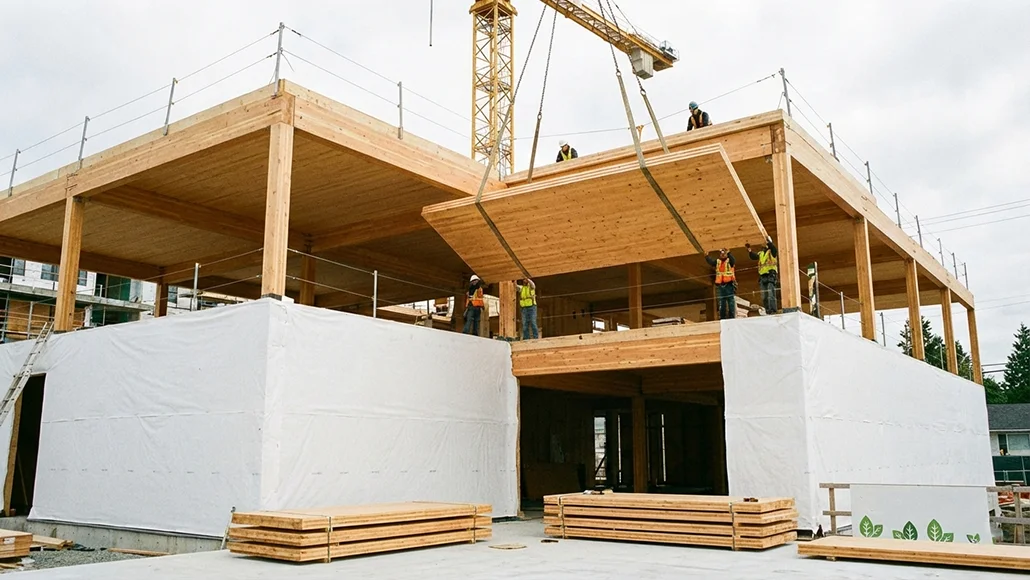
One of the most profound changes in sustainable construction is the move toward materials that have low “embodied carbon” the total greenhouse gas emissions generated during the extraction, manufacturing, and transportation of a product. In the quest for low carbon buildings, architects are increasingly turning to bio-based materials like mass timber, which not only has a significantly lower carbon footprint than steel or concrete but also acts as a carbon sink, storing atmospheric CO2 within the structure of the building itself. When used in the building envelope, these materials provide excellent thermal insulation and structural strength, proving that nature often provides the most efficient solutions to our most complex engineering challenges. By prioritizing resource efficiency at every stage of the design process, we can create buildings that are as light on the earth as they are robust in their performance. This focus on life-cycle analysis allows for a more honest assessment of a building’s true environmental cost, ensuring that short-term gains are not prioritized over long-term ecological health.
Innovative Eco Friendly Materials for the Modern Facade
Beyond timber, a new generation of eco friendly materials is redefining the possibilities for the modern facade. We are seeing the development of insulation products made from recycled textiles, hemp, and even mushroom mycelium, all of which offer exceptional thermal properties with a fraction of the environmental cost of traditional petroleum-based foams. Similarly, the use of recycled aluminum and high-performance, low-E glass in window frames and glazing systems is becoming the standard for high-end developments. These materials are chosen not only for their sustainability but also for their durability and recyclability. The goal is to create a circular life cycle where the components of a building can be reclaimed and repurposed at the end of their useful life, rather than ending up in a landfill. This circular economy approach is essential for reducing the vast amount of waste generated by the construction sector each year. By designing for disassembly, architects are ensuring that the buildings of today are the resource mines of tomorrow, preserving the value of materials for future generations.
The Performance Benefits of Sustainable Building Envelopes
While the environmental arguments for sustainable building envelopes are compelling, the operational benefits are equally important for property owners and occupants. A well-designed, sustainable envelope provides a superior level of airtightness and thermal resistance, which translates directly into lower energy bills and a more comfortable interior environment. Modern bio-composites and advanced membranes allow for better moisture management, preventing the growth of mold and ensuring a healthy indoor air quality. Furthermore, many of these green building materials possess unique aesthetic qualities, such as the warmth of natural wood or the sleek, textured finish of recycled metal panels, allowing architects to create buildings that are visually stunning and deeply connected to their material origins. The thermal mass provided by natural materials like clay or compressed earth can also help to stabilize indoor temperatures, reducing the peak loads on heating and cooling systems. This inherent performance means that sustainable buildings are not just better for the planet; they are fundamentally better places to live and work.
The Economic Case for Green Building Materials
The widespread adoption of sustainable materials is also being driven by a strong economic case. While some eco-friendly materials may have a higher upfront cost, they often lead to significant long-term savings through reduced energy consumption and lower maintenance requirements. Furthermore, as carbon taxes and stricter building regulations become more common, the value of low-carbon assets is expected to rise. Investors and developers are increasingly recognizing that “green” buildings are less risky and more resilient to future changes in the energy market. The demand for sustainable office space and residential units is also growing, as tenants become more aware of the health and environmental impacts of their living and working environments. This shift in market preference is creating a powerful incentive for the construction industry to innovate and adopt sustainable practices at scale. The financial industry is also supporting this transition through green bonds and other financing mechanisms that reward sustainability, making it easier for developers to choose the right materials for their projects.
The Intersection of Tradition and Technology in Construction
The future of sustainable construction lies in the marriage of ancient wisdom and cutting-edge technology. We are seeing a resurgence of traditional materials like rammed earth and lime-based plasters, but they are now being refined with modern additives and precision manufacturing techniques to meet the rigorous demands of contemporary building codes. This hybrid approach allows us to leverage the inherent sustainability of natural materials while ensuring the consistency and longevity required for large-scale infrastructure. At the same time, the development of “smart” materials that can change their properties in response to humidity or temperature is opening up entirely new avenues for passive environmental control. This is the true meaning of innovation using our deepest knowledge of the world to build a more resilient and harmonious future. Digital fabrication and 3D printing are also allowing for the creation of complex, material-optimized shapes that were previously impossible to build, further reducing the amount of resource required to create a strong and efficient building envelope.
Social Responsibility and the Construction Supply Chain
The choice of materials also has a profound social dimension. Sustainable building envelopes must be sourced in a way that respects human rights and supports local communities. This means looking beyond the carbon footprint to ensure that materials are produced under fair labor conditions and that the benefits of the transition to a green economy are shared equitably. Transparency in the supply chain is becoming increasingly important, with many developers now requiring certifications that prove the ethical origin of their materials. By supporting local manufacturers and using regional materials where possible, architects can also reduce the transportation-related carbon footprint of their projects while strengthening the local economy. This holistic view of sustainability encompassing environmental, economic, and social factors is what truly defines a responsible approach to construction in the modern era.
Long-Term Climate Goals and the Built Environment
Ultimately, the shift toward sustainable building envelopes is about more than just individual buildings; it is about the collective resilience of our cities and the health of our planet. By choosing materials that support long-term climate goals, the architectural community is playing a vital role in the transition to a net-zero world. Every ton of carbon saved during construction and every kilowatt of energy saved during operation is a step toward a more stable climate. As these materials become more widely available and cost-competitive, they will move from being the exception to being the rule. The buildings we design today will stand for decades, and by choosing sustainable materials, we are ensuring that they remain assets to their communities and the environment throughout their entire existence. The path forward is clear: we must embrace the full potential of our materials to create a built environment that heals rather than harms. This is the great architectural challenge of our time, and the innovations we are seeing today in building envelopes are proof that we have the tools and the ingenuity to meet it.
The journey toward a truly sustainable built environment is a complex and ongoing challenge, but the progress made in the field of building envelopes is a cause for great optimism. We are discovering that we do not have to choose between progress and the planet. By embracing the incredible diversity and potential of sustainable materials, we are building a world that is more efficient, more beautiful, and more enduring. The envelopes of our future buildings will not just be walls; they will be the living proof of our commitment to a better way of living, reflecting a deep respect for the natural world and a bold vision for what human ingenuity can achieve. As we continue to push the boundaries of what is possible, our buildings will become more than just shelter; they will become a vital part of the solution to our environmental crisis, standing as a testament to our ability to live in harmony with the earth.
