



























In the complex hierarchy of building design and construction, few elements are more critical than the systems that govern fire safety and compliance. While active fire suppression systems like sprinklers and alarms are vital, they represent only one part of a comprehensive safety strategy. The other, often more fundamental, part is passive fire protection, which relies on the structural integrity of the building to contain fire and smoke within its area of origin. At the center of this strategy are the building openings the doors and windows that allow for movement and light but must also function as robust fire barriers when necessary. Ensuring fire safety in building openings is a multifaceted challenge that requires a deep understanding of material science, mechanical engineering, and the strict regulatory frameworks that govern the modern construction industry. By prioritizing these elements, we can create buildings that are not only functional and beautiful but also fundamentally safe for everyone who enters them.
The Principles of Compartmentation and Passive Fire Protection
The primary goal of passive fire protection is to prevent the rapid spread of fire through a technique known as compartmentation. This involves dividing a building into distinct zones or “compartments” using fire-resistant walls and floors. The effectiveness of this system, however, is entirely dependent on the integrity of the openings that pass through these barriers. Any door or window in a fire-rated wall must offer the same level of fire resistance as the wall itself. If a door fails to close properly or a window shatters under the heat, the compartment is breached, and the fire can spread unchecked to other parts of the building. This is why the selection of fire rated doors and windows is so critical; they are the intentional “weak points” in the building’s armor that must be engineered to perform with absolute reliability in the event of an emergency. By maintaining the seal of these compartments, we can protect escape routes and ensure that a localized fire does not become a global failure.
Understanding Modern Fire Regulations and Construction Compliance
The standards for fire safety are dictated by a rigorous set of fire regulations that vary by region but share a common goal: the preservation of life. Achieving construction compliance requires more than just buying a product with a “fire-rated” label; it involves verifying that the entire assembly including the frame, the hardware, the glazing, and the seals has been tested as a single unit in a certified laboratory. These tests involve exposing the assembly to an actual fire and measuring how long it can prevent the passage of flames and heat. The resulting rating, typically expressed in minutes (e.g., 30, 60, or 90 minutes), tells designers exactly how much time the system will provide before failing. Compliance also extends to the installation process, which must be carried out by qualified professionals to ensure that the assembly functions exactly as it did during the laboratory testing. Any deviation from the tested configuration can invalidate the rating and create a significant safety risk.
The Technology of Fire Rated Doors and Advanced Hardware
A modern fire-rated door is a highly sophisticated piece of engineering. Unlike a standard door, which is often hollow or made of flammable materials, a fire door is typically constructed with a solid core of mineral-based boards or specially treated timber. The edges of the door are equipped with intumescent seals strips of material that expand rapidly when exposed to heat, sealing the gap between the door and the frame and preventing the passage of smoke and hot gases. The hardware used on these doors, such as hinges, latches, and closers, must also be fire-rated and capable of operating even when distorted by high temperatures. Perhaps the most critical component is the automatic door closer, which ensures that the door returns to its secure, closed position after every use. A fire door that is propped open is essentially useless, making the education of building occupants an essential part of the overall fire safety strategy.
Fire-Resistant Glazing and the Evolution of Safety Glass
For many years, the use of glass in fire-rated partitions was limited by the inherent fragility of traditional glazing. However, the development of advanced fire-resistant glass has changed this, allowing for transparency and light in areas that previously required solid walls. This glass is not merely toughened; it is often composed of multiple layers with transparent, intumescent interlayers that react to heat. When a fire occurs, the interlayer closest to the heat turns opaque and forms a rigid thermal shield, blocking both the flames and the intense radiant heat that can ignite materials on the other side of the glass. This technology allows architects to create open, light-filled spaces, such as atriums and corridors, without compromising the building’s fire safety profile. It also provides a clear line of sight for emergency responders, allowing them to assess the situation more safely and effectively.
The Critical Role of Smoke Control and Airtightness
While the fire itself is the most obvious threat, smoke is actually the primary cause of fatalities in most building fires. Smoke travels much faster than flames and can quickly fill a building with toxic, blinding gases, making evacuation nearly impossible. Therefore, fire safety in building openings must also focus on smoke control. This involves the use of specialized smoke seals and pressurized ventilation systems that work in conjunction with the doors and windows to keep escape routes clear. The same precision in manufacturing and installation required for fire resistance is essential for smoke protection. Every gap must be accounted for, and every seal must be maintained in perfect condition. In modern high-rise buildings, where the “stack effect” can rapidly pull smoke up through stairwells and elevator shafts, the integrity of every opening becomes a matter of life and death for everyone on the floors above.
Maintenance and the Long-Term Performance of Safety Systems
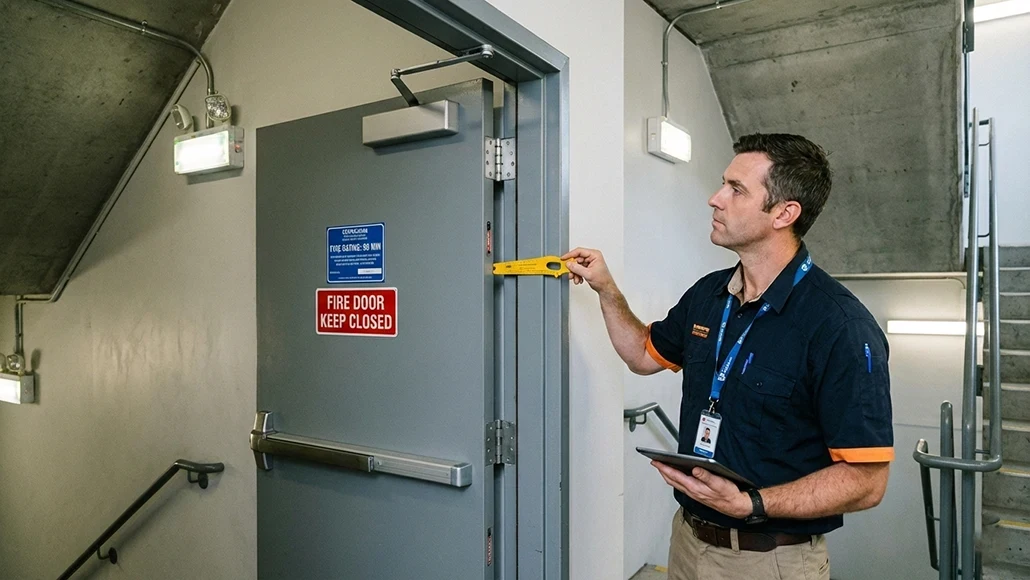
The safety of a building is not a static state achieved at the time of construction; it is an ongoing responsibility that requires regular maintenance and inspection. Fire doors and windows are mechanical systems that can suffer from wear and tear, damage, or even deliberate tampering. A latch that doesn’t catch or a closer that has lost its tension can render an expensive fire door completely ineffective. Therefore, fire regulations typically require annual or semi-annual inspections by competent persons who can verify that all components are functioning correctly. This includes checking the gaps around the door, the condition of the intumescent seals, and the operation of the self-closing mechanism. By treating these openings as life-safety equipment rather than just architectural features, we can ensure that they remain ready to perform their vital function at any moment.
Integrating Fire Safety into the Holistic Building Design
Ultimately, the most successful fire safety strategies are those that are integrated into the building’s design from the very beginning. This requires close collaboration between architects, fire engineers, and manufacturers to ensure that the chosen opening systems meet both the aesthetic and safety goals of the project. By considering fire safety during the conceptual phase, designers can optimize the placement of compartments and escape routes, potentially reducing the complexity and cost of the required systems. We are also seeing the emergence of “smart” fire safety systems that can communicate with the building’s central management platform, providing real-time status updates on every fire door and automatically triggering evacuations or lockdowns as needed. This data-driven approach allows for a more responsive and effective safety environment, further enhancing the protection offered by the physical barriers themselves.
In conclusion, ensuring fire safety in building openings is a fundamental pillar of modern construction that cannot be compromised. By embracing tested technology, adhering to strict fire regulations, and committing to ongoing maintenance, we can create a built environment that values human life above all else. The doors and windows we pass through every day are more than just entry points; they are the silent sentinels that stand ready to protect us in our most vulnerable moments. As we continue to build higher and more densely, the importance of these systems will only grow, requiring even greater levels of innovation and precision from the industry. Fire safety is a shared responsibility, and by working together to uphold the highest standards of compliance, we can build a safer and more resilient future for everyone.
