


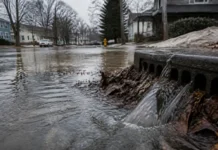

























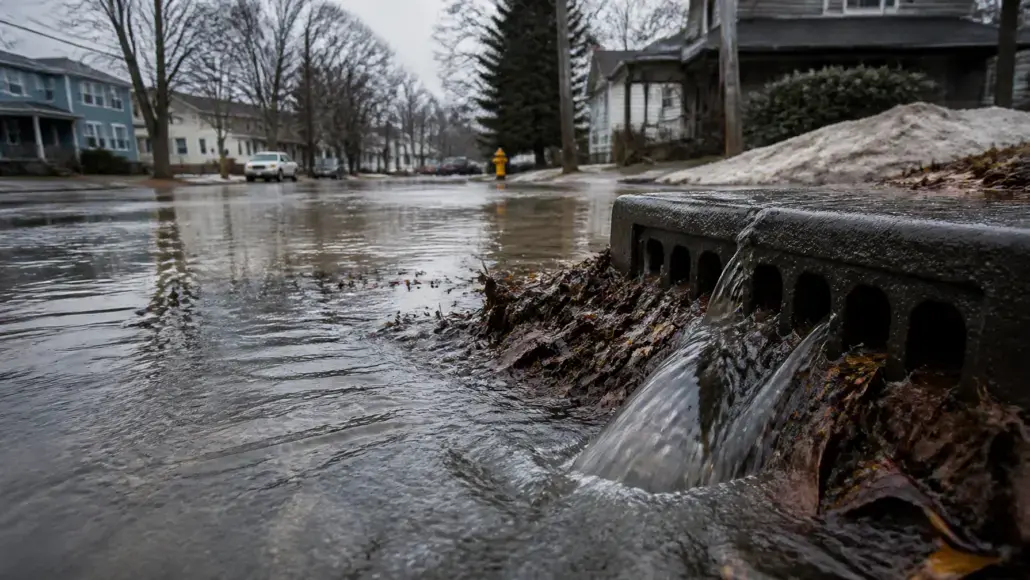

When you’re responsible for safety and compliance, preparing for severe weather means considering the infrastructure your community depends on as carefully as the forecast. Across central New York and the Great Lakes, aging drainage systems can turn a storm into an emergency where a fast response time matters. Understanding their vulnerabilities gives you a starting point before conditions deteriorate.
Aging Drainage Systems Under Storm Pressure
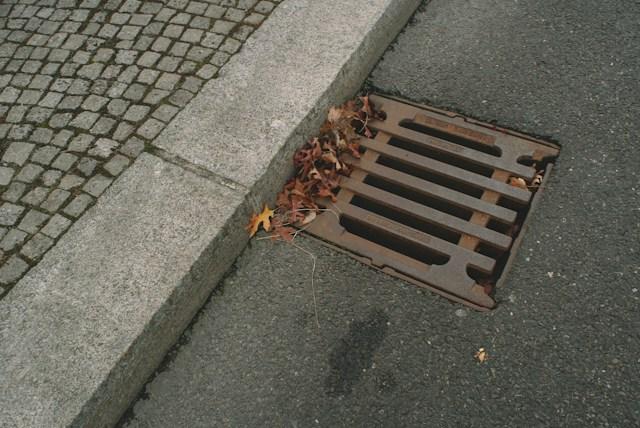
Heavy rain and rapid snowmelt put pressure on sewer networks when stormwater enters through leaking infrastructure and mixes with wastewater already flowing underground. As that volume increases, a restriction at one location can affect drainage elsewhere, making the condition of the whole network relevant to your preparedness decisions.
To understand that interaction, consider how civil engineers who track aging sewer systems investigated a utility in Tennessee. After reviewing flow data in one closely monitored basin, Olivia Yates of LJA Engineering reported seeing “more instances of that capacity limitation,” with surcharge events also becoming more frequent.
Surcharge occurs when flow exceeds a pipe’s capacity and water backs up within the network. In this case, engineers identified concerns near a pump station despite earlier repairs that had reduced rainwater entering the sewers, demonstrating why fixing leaks does not necessarily resolve all downstream restrictions.
Although those findings do not establish conditions in central New York or the Great Lakes, the comparison offers a useful question for local investigations. When your teams report backups during wet weather, ask whether the problem involves an individual property’s plumbing or a public system struggling to carry the incoming volume.
Household Health Risks From Neglected Drains
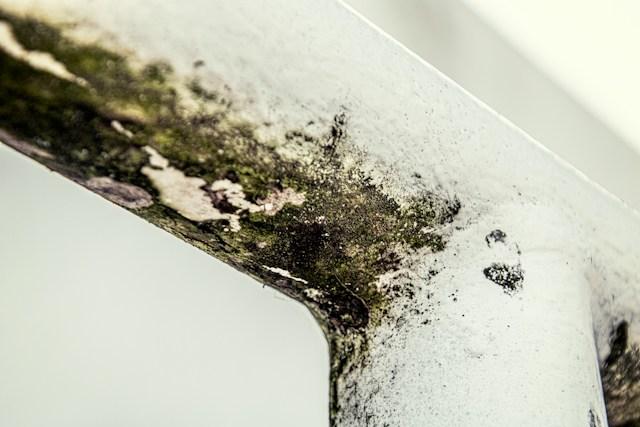
Mr. Rooter Plumbing of Greater Syracuse, a provider of drain cleaning and plumbing maintenance, describes clogged drains as a “prime environment for these microorganisms to thrive,” as they collect standing water and waste. Under those conditions, bacteria and fungi can multiply, potentially posing health risks to people living in affected homes.
To address those conditions, Mr. Rooter Plumbing recommends regular drain care and professional evaluation when the cause of a blockage remains unclear. You can incorporate that advice into preventive maintenance before storm season while keeping emergency plumbing service as an option for backups that already need attention.
For the properties you oversee, translate this guidance into a clear reporting process rather than asking occupants to diagnose plumbing faults. Reports of slow drainage or recurring backups give your team a specific issue to investigate. When similar complaints arise in several buildings, you also have a reason to contact the local sewer authority.
This division of responsibility also gives seasonal communications a practical purpose without turning them into technical instructions. Ask occupants to describe where and when drainage problems occur. Then, assign follow-up to the appropriate property contact or plumbing professional, rather than leaving residents to decide whether a recurring problem warrants attention.
Community Health Hazards From Contaminated Floodwater
Once contaminated water reaches shared spaces, your response must account for people who were not involved in the original plumbing problem. Floodwater may carry sewage or chemicals such as fuels and fertilizers, creating potential exposure points wherever it enters buildings or leaves contaminated material behind.
Joe Frasca, senior vice president of marketing at environmental testing laboratory EMSL Analytical Inc., warns that contaminants left behind by flooding are “a skin contact concern and many can become airborne exposure risks.” He also notes that mold may grow behind walls or flooring where you cannot readily see it.
Because contamination may persist after standing water disappears, a dry-looking room does not mean recovery is complete. For anyone coordinating cleanup crews or accessing affected buildings, the relevant question is whether the remaining materials have been assessed and treated appropriately, including areas that a walk-through cannot reveal.
Before reopening those spaces, ask the recovery team to explain what it inspected and how it addressed suspected contamination. Keep that decision separate from the earlier task of removing water. Document the findings to guide access arrangements for occupants and anyone whose work could disturb affected surfaces during the next stage of recovery.
Property Damage From Storm-Driven Water Backups
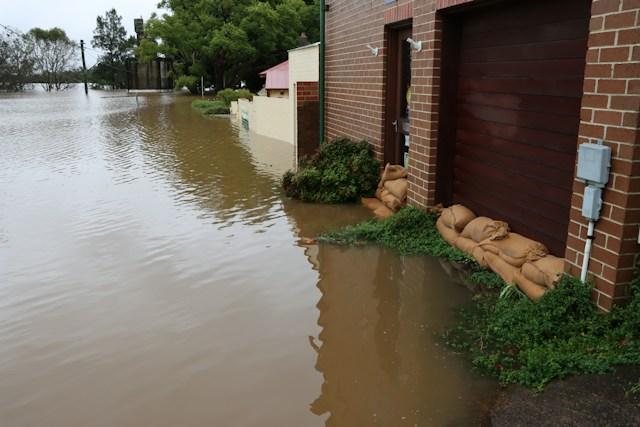
When sewage enters a building, your recovery decisions depend on what the water contaminated as well as how far it spread. Unlike a clean supply-line leak, a backup requires you to consider whether affected materials can be properly decontaminated before repairs begin.
Michael Katofsky, a restoration contractor with Katofsky Construction LLC, explains that porous materials like carpet and water-damaged drywall are generally “removed and discarded rather than cleaned” after exposure. His guidance references standards from the Institute of Inspection, Cleaning and Restoration Certification and notes that absorbent items can retain bacteria even when their surfaces appear dry.
The cleanup crew first stops the source and extracts contaminated water, then removes affected materials. Cleaning and disinfection follow in that order, giving your team a clear sequence for reviewing progress reports and confirming that the necessary work is complete before reconstruction begins.
Your repair schedule should also allow time for the remaining structure to dry thoroughly before workers install replacement finishes. To confirm readiness, ask how the crew will measure and document moisture levels. Those findings should guide the start of repairs rather than the appearance of a dry surface.
Municipal Efforts to Upgrade Stormwater Infrastructure
While property teams manage individual incidents, public investment supports improvements to the networks serving entire neighborhoods. The New York State Department of Environmental Conservation recently announced plans to invest over $555,000 in 10 projects through a planning grant program for central New York communities.
Municipalities can prepare work through that program, such as replacing undersized culverts and mapping existing stormwater systems before larger upgrades move toward construction. For your discussions with local officials, the important distinction is between funding an investigation or design and completing the physical work needed to change drainage conditions.
The same announcement also identifies equipment purchases for cleaning street drainage structures in Binghamton and Cicero, indicating that current maintenance is part of the broader investment effort. For your organization, those examples provide a concrete basis for asking how routine cleaning and proposed construction fit together in the areas served.
To keep those conversations useful, connect reports from affected properties with the municipal team responsible for the relevant infrastructure. Record the responsible contact and next review date to give occupants a clear route for updates while your organization maintains its own response procedures.
Stronger Communities Ahead of the Next Storm
As severe weather tests aging infrastructure, you can strengthen community preparedness by coordinating seasonal inspections with local agencies and emergency response teams. Shared priorities and clear responsibilities help turn identified drainage problems into action before the next storm. Through continued preventive maintenance and public investment, your community can work toward reducing disruption and protecting the people who live and work there.