


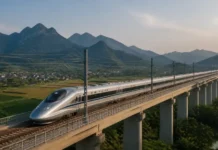

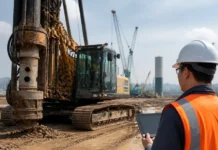













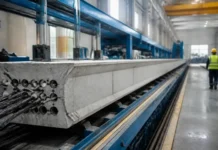




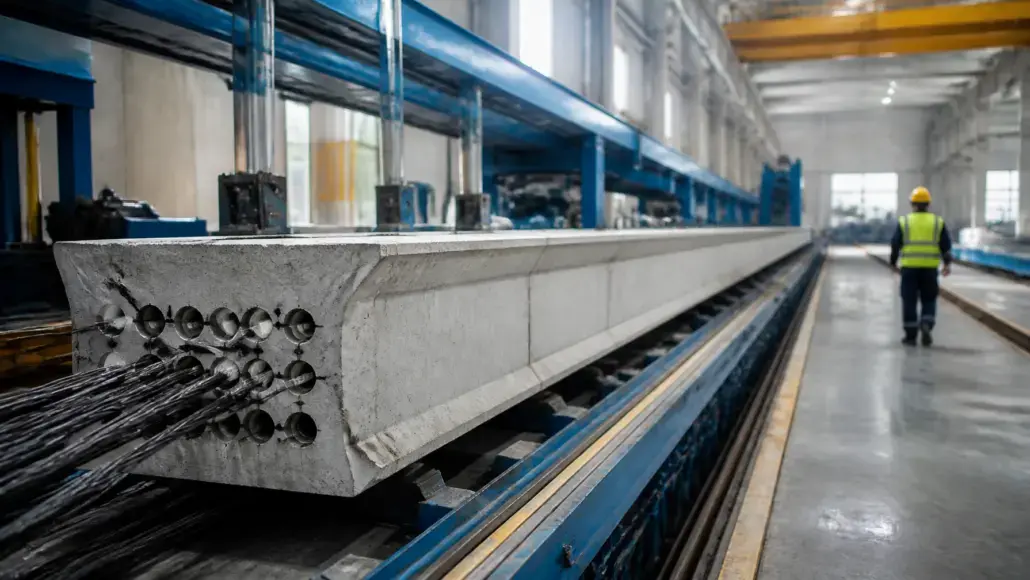

The industrialization of structural component manufacturing has been profoundly accelerated by the development of advanced prestressed concrete equipment, which enables the production of high-strength beams, slabs, and columns with unprecedented precision and efficiency. By pre-compressing the concrete elements before they are subjected to service loads, these systems allow for longer spans and smaller cross-sections than traditional reinforced concrete. The technology relies on a sophisticated array of tensioning jacks, self-reacting molds, and automated curing systems that transform the factory floor into a high-performance production line. As global demand for rapid infrastructure development grows, the role of prestressed concrete manufacturing has become a critical pillar of modern construction engineering.
Tensioning Mechanics and Safety Protocols in Factory Environments
The core functionality of prestressed concrete equipment centers on the precise application of tension to high-strength steel strands before the concrete is poured. This process, known as pretensioning, requires heavy-duty hydraulic jacks and sophisticated anchoring systems that can withstand and maintain forces exceeding several hundred tons. The engineering of the tensioning beds is a major undertaking, involving massive abutments or self-reacting steel molds designed to resist the enormous compressive loads without deflection. The accuracy of the stressing operation is monitored through electronic load cells and displacement sensors, ensuring that each strand is tensioned to the exact specification required by the structural design.
Safety is a paramount concern in the pretensioning process, as the energy stored in the tensioned strands is immense. Modern equipment includes comprehensive safety features such as protective shielding, remote stressing operations, and automated lock-off mechanisms that prevent the sudden release of energy in the event of a strand failure. The systematic inspection of the anchoring wedges and the regular calibration of the hydraulic equipment are essential components of the manufacturing plant’s safety protocol. The mechanical reliability of these systems is a prerequisite for the successful integration of post-tensioning systems in large-scale infrastructure projects where consistent force application is paramount, ensuring that the factory-produced components meet the same rigorous standards as site-cast elements.
Additionally, the development of multi-strand stressing jacks has significantly improved the efficiency of the production cycle. These machines can tension an entire group of strands simultaneously, reducing the time required for the stressing operation and ensuring a more uniform distribution of force across the section. The precision of the force application is critical, as any imbalance in the tensioning can lead to unwanted camber or lateral bowing of the finished component. The integration of digital control systems allows for the real-time recording of stressing data, providing a complete quality audit for every unit produced.
Formwork Automation and Precision Molding for Precast Units
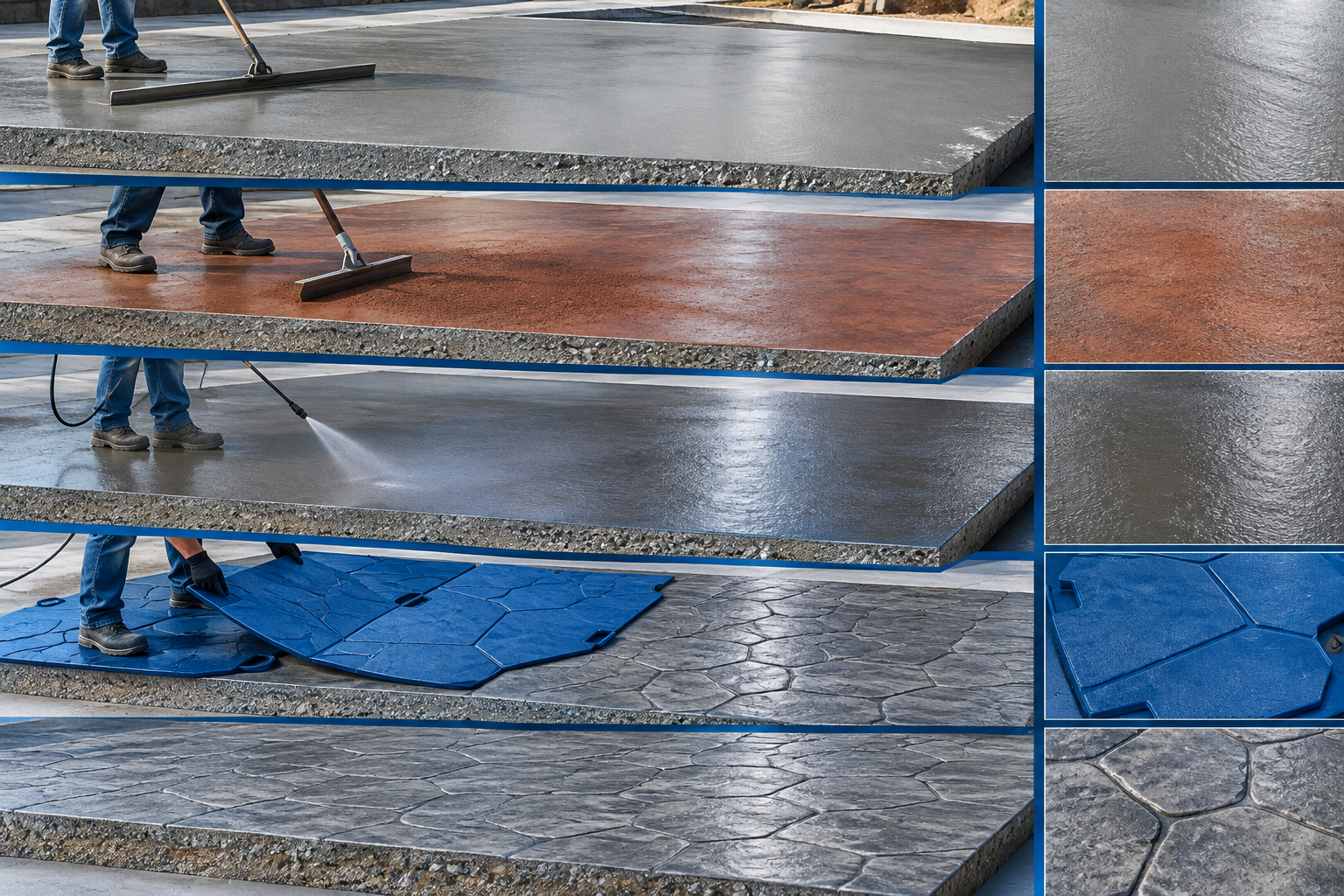
The evolution of formwork technology in prestressed concrete manufacturing has moved toward modular, automated systems that can be quickly reconfigured for different component types and sizes. Self-reacting molds, which incorporate the tensioning abutments directly into the formwork structure, allow for the production of prestressed elements without the need for massive fixed beds. This portability provides manufacturers with the flexibility to set up temporary production lines near major project sites, reducing the transportation costs and logistical challenges associated with hauling large structural members.
- Hydraulic side-forms allow for rapid opening and closing of the molds, significantly reducing the labor required for stripping and cleaning.
- Automated vibration systems, integrated directly into the formwork, ensure the consistent consolidation of the concrete and a high-quality surface finish.
- Magnetic formwork systems provide a versatile method for creating custom shapes and block-outs within the standard molds.
- Precision-engineered bulkheads ensure the accurate placement of the strands and the correct geometry of the component ends.
The use of high-quality steel for the formwork surfaces ensures a smooth, architectural finish that requires minimal post-processing. The durability of these molds is essential for maintaining the tight tolerances required for precast components, which must fit together perfectly on the construction site. The integration of heating elements within the formwork allows for accelerated curing, enabling the plant to achieve high-strength levels within a few hours. This rapid turnover is critical for meeting the high-volume production schedules typical of bridge and industrial building projects.
Heat Curing and Strength Acceleration in Industrial Production
To maximize the throughput of a prestressed concrete plant, the strength development of the concrete must be accelerated to allow for the early release of the tensioning force. Prestressed concrete equipment often includes sophisticated heat curing systems, such as steam injection or hot oil circulation, which maintain the components at an optimal temperature for rapid hydration. This process is monitored through embedded sensors that track the concrete’s temperature and maturity, providing the data needed to determine the exact moment when the concrete has reached the required release strength.
The control of the curing cycle is a delicate balance, as excessive heat can lead to delayed ettringite formation (DEF) and other long-term durability issues. Modern curing systems utilize automated controllers that follow a pre-programmed temperature profile, ensuring a gradual heating and cooling phase to minimize thermal stresses within the component. This level of precision is essential for producing high-performance concrete that meets the stringent requirements for durability and service life. The use of insulated covers and climate-controlled curing chambers further improves the efficiency of the process and reduces energy consumption.
The transition from the curing phase to the detensioning phase is a critical operation that must be managed with care. The tensioning force is transferred from the abutments to the concrete through the bond between the steel strands and the cement paste. This transfer must be gradual and uniform to avoid cracking or spalling at the ends of the component. The use of hydraulic detensioning systems, which slowly release the pressure in the jacks, ensures a smooth transfer of force and protects the structural integrity of the finished unit. The ability to achieve high early strength also allows for the more efficient use of the production facility, as the molds can be reused every 24 hours.
Quality Assurance and Industrial Standards in Factory Environments
The production of prestressed concrete components is subject to some of the most rigorous quality assurance standards in the construction industry. Every stage of the process, from the testing of raw materials to the final inspection of the finished unit, is documented and verified by independent quality control personnel. Prestressed concrete equipment plays a central role in this process by providing the precision and consistency needed to meet these high standards. Digital recording systems track the batching of the concrete, the tensioning forces, and the curing temperatures, creating a comprehensive digital twin for each component.
Laboratory testing of the concrete mix is performed for every production run to ensure that the compressive strength, air content, and workability meet the project specifications. The use of non-destructive testing (NDT) methods, such as ultrasonic pulse velocity and Schmidt hammer tests, allows for the assessment of the finished components without causing damage. The final inspection also includes a verification of the component’s geometry and the placement of embedded items such as lifting anchors and connection plates. This systematic approach to quality ensures that the components delivered to the site are safe, durable, and ready for immediate installation.
The certification of the manufacturing facility by national and international bodies, such as the Precast/Prestressed Concrete Institute (PCI), is a requirement for participating in many infrastructure projects. These certifications verify that the plant has the necessary equipment, personnel, and quality control systems to produce high-quality prestressed components. The ongoing training and certification of the plant’s workers are also vital for maintaining the high standards of safety and performance. By adhering to these rigorous industrial standards, prestressed concrete manufacturers provide the construction industry with a reliable and efficient source of structural components.
Scalability of Industrial Production Lines and Future Innovations
The future of prestressed concrete manufacturing lies in the further automation of the production line and the integration of advanced materials. Robotic systems for the placement of reinforcement and the cleaning of molds are already beginning to appear in high-volume plants, reducing the reliance on manual labor and improving the accuracy of the process. The use of carbon fiber reinforced polymer (CFRP) as a non-corrosive alternative to steel strands is also gaining traction, offering the potential for even lighter and more durable structural elements.
Digitalization will continue to play a major role in the evolution of the industry, with the integration of BIM data directly into the production controls. This will allow for the continuous transition from design to manufacturing, reducing the risk of errors and improving the overall efficiency of the supply chain. The use of sensors for long-term health monitoring, embedded directly into the components during manufacture, will provide valuable data on the performance of the structure throughout its life cycle. This proactive approach to asset management will help to extend the service life of our infrastructure and reduce the long-term maintenance costs for society.
The commitment to innovation in prestressed concrete equipment reflects the broader goals of the construction industry to build smarter and more sustainably. By providing the tools needed to produce high-performance structural components in a controlled factory environment, these systems are helping to shape the future of our built world. The ongoing development of even more efficient and precise manufacturing technologies will continue to drive the growth of the precast industry and support the development of the infrastructure that is essential for a prosperous and resilient global society.