



















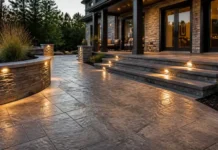




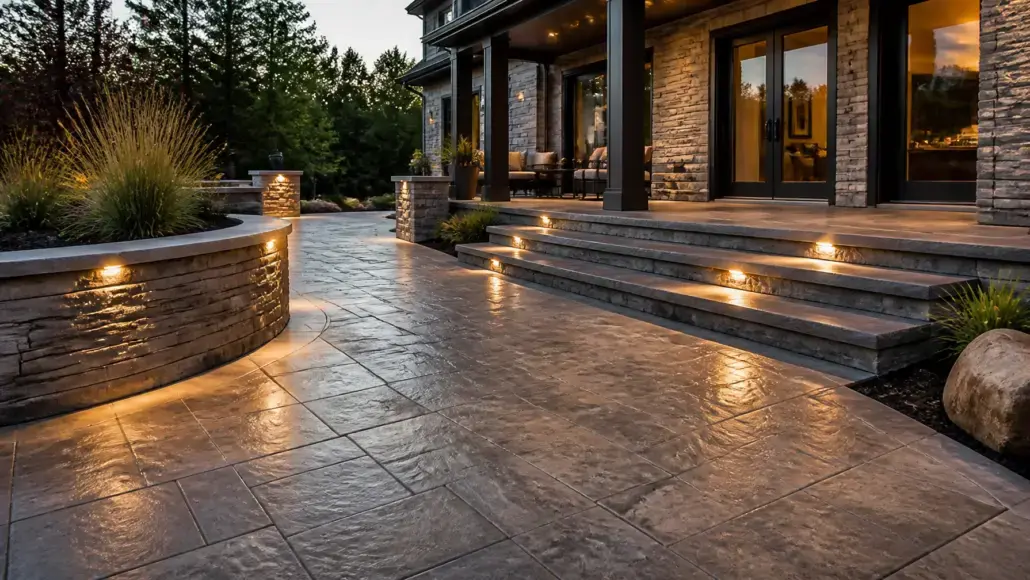

The evolution of architectural concrete has been significantly influenced by the advancement of decorative concrete stamping technologies, which offer a versatile and cost-effective alternative to natural stone, brick, and slate. By imprinting patterns and textures into freshly placed concrete, designers can achieve high-end aesthetic results while maintaining the structural benefits and durability inherent to traditional concrete. These systems are increasingly utilized in both residential and commercial applications, ranging from pedestrian walkways and urban plazas to interior flooring and pool decks. The precision of modern stamping tools, combined with innovative coloring and finishing techniques, has expanded the possibilities for creating custom, site-specific surface treatments that integrate with the surrounding built environment.
Technical Aspects and Engineering of Surface Imprinting Systems
The process of concrete stamping requires a high degree of technical skill and precise timing to ensure that the patterns are consistently applied and the surface maintains its structural integrity. Once the concrete has been placed and leveled, a color hardener is typically broadcast across the surface to provide the base hue and increase the abrasion resistance of the top layer. This is followed by the application of a release agent, which prevents the stamping mats from sticking to the wet concrete and adds a secondary, antiquing color that highlights the depth of the texture. The stamping mats, made from high-quality polyurethane, are then systematically pressed into the surface to create the desired pattern.
The timing of the imprinting process is critical, as the concrete must be firm enough to support the weight of the installers but still plastic enough to accept the texture. Environmental factors such as temperature, wind, and humidity can significantly influence the setting rate, requiring the crew to adjust their pace accordingly. The engineering of the mix design also plays a vital role in the success of the project. A well-balanced mix with the appropriate aggregate grading and slump is essential for achieving a sharp, detailed impression. The success of these intricate surface designs is frequently reliant on the use of advanced concrete admixtures that provide the necessary workability and setting characteristics required for precise imprinting, ensuring that the material remains responsive throughout the stamping window.
Post-stamping treatments, including the application of high-performance sealers, are necessary to protect the surface from UV degradation, moisture ingress, and staining. These sealers not only enhance the color and texture of the concrete but also provide a slip-resistant finish that is essential for public safety. The choice between solvent-based and water-based sealers depends on the specific aesthetic requirements and the environmental conditions of the site. Regular maintenance, including periodic re-sealing, ensures that the decorative finish remains vibrant and durable for the life of the installation.

Architectural Versatility and Customization in Urban Infrastructure
One of the primary advantages of concrete stamping is its ability to replicate the appearance of traditional paving materials at a fraction of the cost. Urban designers and environment architects utilize these technologies to create cohesive visual themes across large-scale developments, linking different functional areas through a consistent palette of colors and textures. The vast array of available patterns, from Mediterranean slate and cobblestone to reclaimed timber and geometric tiles, allows for a high degree of customization that can be tailored to the specific historical or cultural context of a project.
- Random stone patterns provide a natural, organic look that is ideal for park pathways and residential driveways.
- Herringbone and basketweave brick textures offer a classic, formal aesthetic for urban sidewalks and plazas.
- Seamless texture skins create a continuous, non-repetitive surface that mimics the look of natural rock or weathered granite.
- Custom medallions and logos can be integrated directly into the stamped surface, providing a unique branding opportunity for commercial properties.
The integration of integral pigments, which color the concrete throughout its entire thickness, ensures that the hue remains consistent even if the surface is chipped or subjected to heavy wear. This is a significant advantage over surface-applied stains, which can fade or peel over time. The combination of integral color and broadcast hardeners creates a multi-dimensional appearance that closely mimics the subtle variations found in natural stone. The ability to mix and match different patterns and colors within a single project allows designers to define zones and guide pedestrian flow without the need for physical barriers or intrusive signage.
Durability and Performance Characteristics of Decorative Finishes
Despite its focus on aesthetics, stamped concrete must meet the same rigorous performance standards as any other structural concrete element. The use of high-strength mixes and appropriate reinforcement, such as rebar or synthetic fibers, is essential for preventing cracking and ensuring long-term stability under vehicular and pedestrian loads. The textured surface provided by concrete stamping also offers inherent slip resistance, which can be further enhanced through the addition of specialized grip additives to the sealer. This makes it an ideal choice for high-traffic public areas where safety is a paramount concern.
The durability of stamped concrete is particularly evident in its resistance to the freeze-thaw cycles common in colder climates. Because the surface is a monolithic slab rather than individual paving units, there are no joints for water to penetrate and freeze, which can lead to the displacement and tripping hazards often associated with traditional pavers. The application of high-quality sealers also protects the concrete from the damaging effects of de-icing salts and chemicals. When properly installed and maintained, a stamped concrete surface can provide a service life of 20 to 30 years or more, making it a highly sustainable and cost-effective choice for long-term infrastructure.
Analytical assessments of lifecycle costs demonstrate that stamped concrete often outperforms other decorative paving options when both initial installation and ongoing maintenance are considered. The reduced labor requirements for installation, compared to the hand-setting of individual stones or bricks, lead to significant upfront savings. Additionally, the ease of cleaning and the minimal risk of weed growth in the joints reduce the long-term operational costs for property owners and municipalities. The structural integrity of the slab also means that it is less susceptible to settling and shifting, which can be a common problem with flexible paving systems.
Quality Control and Professional Implementation in the Field
The successful execution of a concrete stamping project depends on the coordination of multiple variables, from the mix design and site preparation to the final application of the sealer. Professional contractors must adhere to strict quality control protocols to ensure that the finished product meets the expectations of the client and the specifications of the designer. This begins with a thorough assessment of the subgrade and the installation of a stable base to prevent future settlement. The use of precisely calibrated tools and high-quality materials is essential for achieving a consistent and durable result.
Field inspections at various stages of the process allow for the detection and correction of any issues before they become permanent. This includes verifying the slump of the concrete upon arrival, monitoring the application of the color hardeners, and ensuring that the stamping mats are correctly aligned. The ability to troubleshoot unexpected site conditions, such as a sudden change in weather, is a hallmark of an experienced stamping crew. The documentation of the process, including the specific products used and the environmental conditions at the time of installation, provides a valuable record for future maintenance and warranty purposes.
The ongoing education of design professionals and contractors in the latest stamping techniques and materials is vital for the continued growth of the industry. Industry associations and manufacturers provide training programs and certification to ensure that the high standards of decorative concrete are maintained across the board. By sharing best practices and promoting innovation, the industry can continue to push the boundaries of what is possible with architectural concrete, providing durable and beautiful surface solutions for the modern built environment.
Future Trends and Technological Innovations in Surface Design
The future of concrete stamping is being shaped by the integration of digital design tools and advanced material science. 3D-printed stamping mats are beginning to allow for even more complex and highly detailed textures that were previously impossible to manufacture. These custom mats can be designed to replicate specific site-specific features or to create completely new, futuristic textures that challenge our traditional notions of concrete surfaces. The development of photoluminescent pigments and light-emitting aggregates also offers new possibilities for creating interactive and safety-oriented surfaces that glow in the dark.
Sustainable practices are also becoming a core focus of the decorative concrete industry. The use of recycled glass aggregates and eco-friendly sealers with low VOC (volatile organic compound) emissions is helping to reduce the environmental impact of stamped concrete installations. Innovations in permeable stamped concrete, which allow rainwater to filter through the slab into the ground, are addressing the challenges of urban stormwater management while still providing the aesthetic benefits of a textured surface. These systems combine the structural capacity of concrete with the environmental benefits of permeable paving, making them an ideal choice for sustainable urban development.
The continued refinement of concrete stamping technologies ensures that they will remain a prominent feature of the architectural environment for years to come. By providing a balance of beauty, durability, and cost-effectiveness, these systems empower designers to create spaces that are both functional and inspiring. The ongoing commitment to quality and innovation in the field of decorative concrete reflects the broader trends in the construction industry toward more resilient and aesthetically sophisticated infrastructure. As we look to the future, the potential for new patterns, colors, and functionalities will only further solidify the role of stamped concrete as a premier choice for architectural surface applications.