




















When a hurricane, wildfire or winter storm takes down the grid, your automated heating, ventilation and air conditioning (HVAC), refrigeration and security systems stop the moment their power source fails. As you add more high-draw devices to your facility, this risk grows. National coverage means little without preventive maintenance behind it, protecting the power continuity, connectivity redundancy and physical assets your operations depend on long before automation comes into play.
Why Automated Systems Might Fail to Survive a Power Outage
Building automation offers seamless integration and precise environmental control, from HVAC scheduling to automated access points. Yet this interconnected infrastructure rarely prioritizes the redundancy and power continuity your systems need to keep running when the grid fails. That gap often goes unnoticed until the power actually goes out.
The grid will face greater pressure from extreme weather, and modernizing it to withstand such events has become a priority for utilities nationwide, as recovery grows harder with each disruption. You have less time to recover before losses start compounding.
Major grid outages can cascade quickly, and resilient power planning for critical facilities often determines whether your site can run on its own backup generation or storage. Without that cushion, you risk losing mission-critical systems the instant utility power drops.
True resilience comes down to your design choices rather than the presence of automation, because designing buildings for resilience involves prioritizing critical loads while integrating monitoring and control systems well before disaster strikes. The four case studies below demonstrate why.
What a Hurricane Taught a National Retailer About Protecting Automated Refrigeration
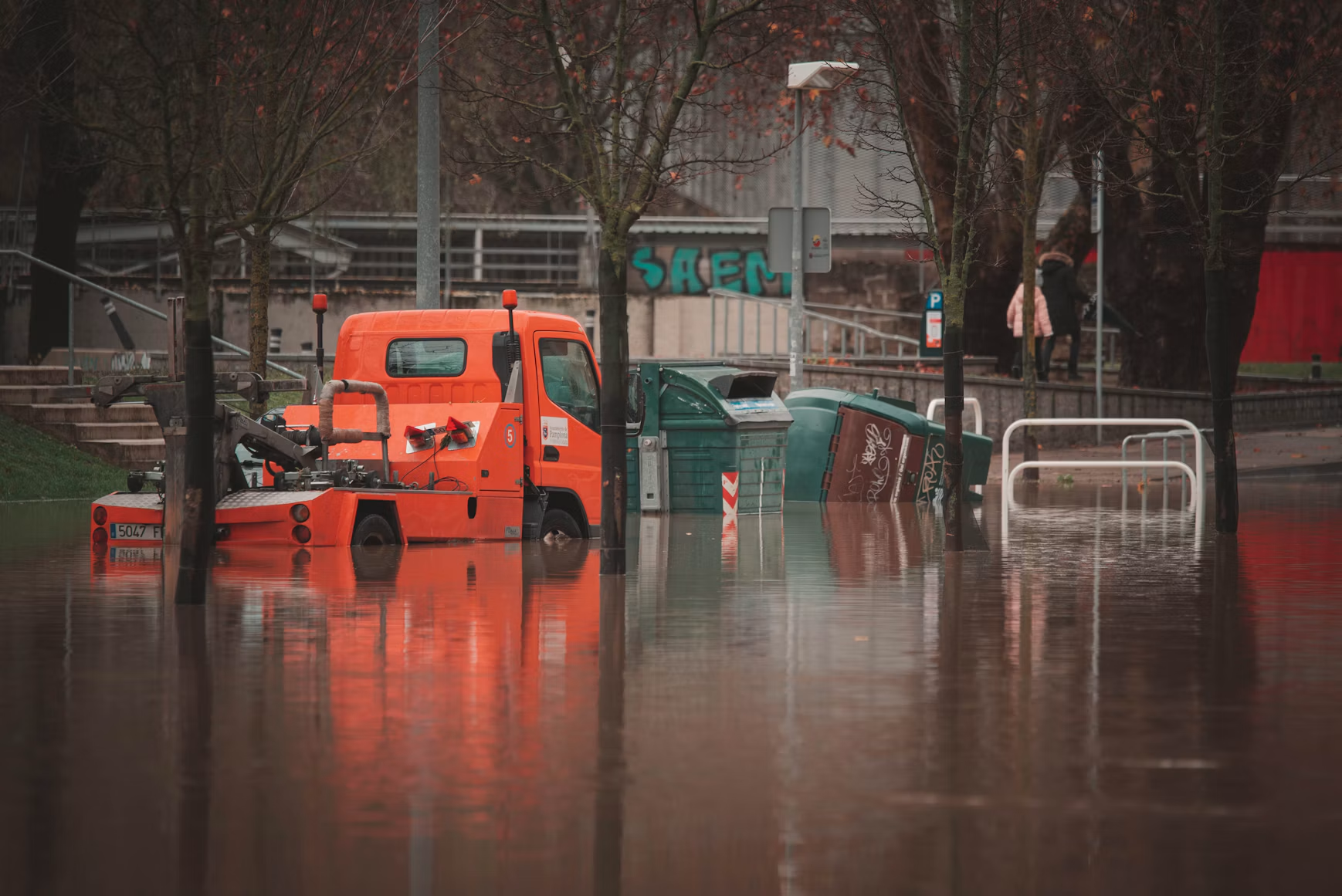
When hurricanes knock out power for days, perishable inventory becomes an immediate crisis for food and pharmaceutical operators serving the surrounding community. If your facility relies on refrigeration, you already know it remains essential for preventing spoilage, even though it requires continuous, high-volume energy to run.
Financial losses from spoiled inventory can deepen the economic toll on communities already working to recover, and that pressure only intensifies when hundreds of locations are affected at once. For one national retailer facing widespread refrigeration and HVAC failures after a hurricane, CoolSys stepped in with an emergency cleanout program tailored to storm-driven refrigeration failures.
Every impacted store was serviced within hours of road reopening, and 100% of participating locations avoided additional refrigeration and sanitation costs. The result reflected $200,000 savings in under a week across the retailer’s footprint, showing that a pre-mobilized response can help offset even widespread outages.
CoolSys could respond quickly because of pre-positioned teams that track storm paths and stage regionally, not because refrigeration systems were automated. Operating under a national coverage network spanning more than 110 U.S. branches, the company draws on preventive maintenance programs calibrated to each operator’s equipment while offering emergency service around the clock.
The gap CoolSys filled was not a failure of automation. It was a failure to plan for the power continuity and physical asset protection you need well before a storm makes landfall.
What Wildfire Shutoffs Reveal About Your Backup Power Gaps
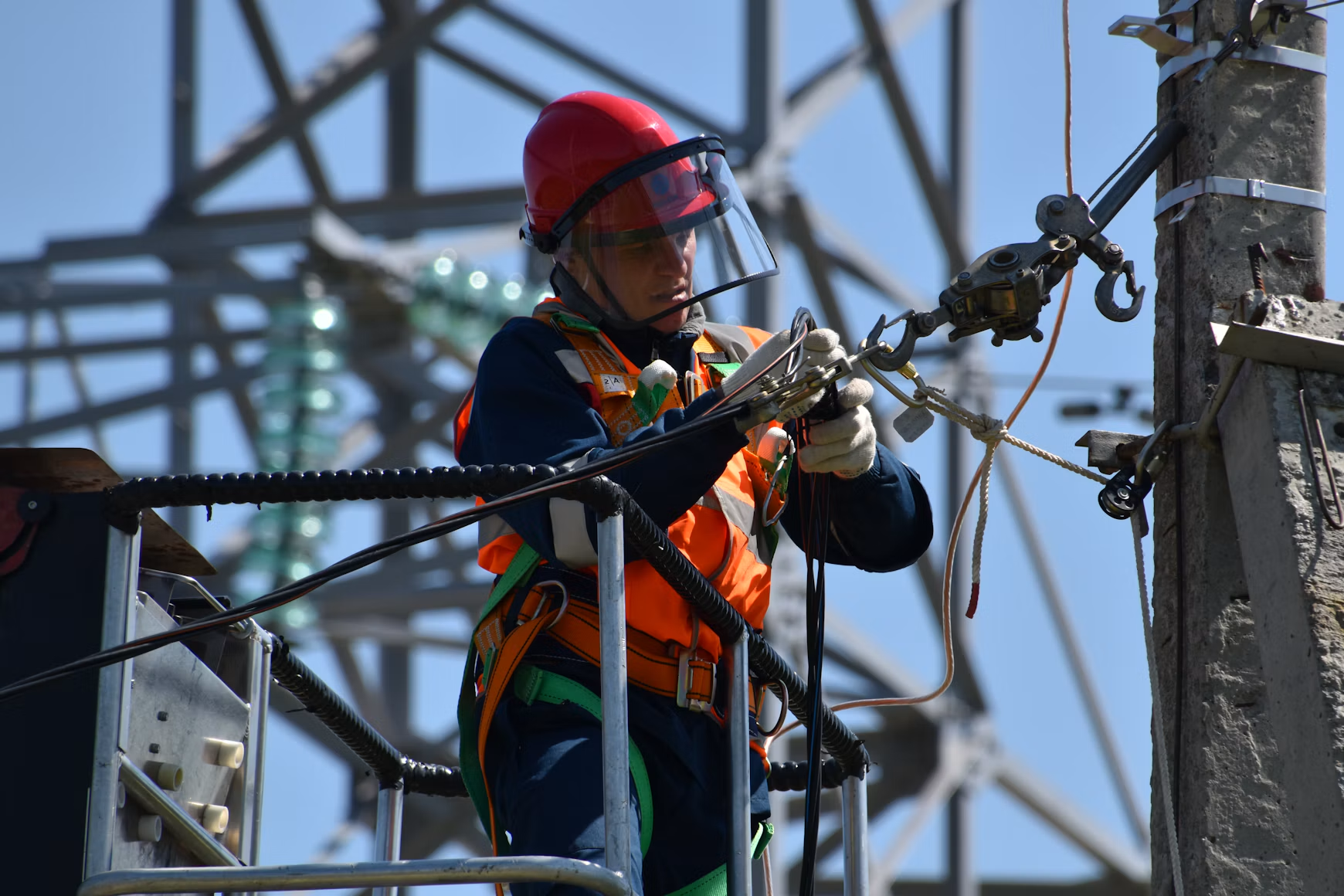
California’s wildfire-driven Public Safety Power Shutoffs (PSPS), which can leave healthcare facilities vulnerable during outages, have forced skilled nursing facilities to evacuate when automated life-safety and HVAC systems lost power entirely. Automation could not compensate for the lack of battery storage or the generator’s capacity.
Facilities equipped with renewable battery energy storage could have kept essential equipment running without interruption throughout these extended shutoffs, benefiting the residents and staff who depend on it most. That same continuity also eases the disruption felt across the surrounding community during a prolonged disaster.
A 2022 California law now requires skilled nursing facilities to maintain an alternative power source capable of running for at least 96 hours during an outage. In response, a microgrid solution for resilient healthcare facilities emerged, seismically tested to withstand an 8.0-magnitude earthquake and 150 mph winds.
Fifty skilled nursing facilities have already expressed interest in adopting the technology, proving the fix came from infrastructure planning rather than from upgrading automation already in place. That same principle applies to other critical facilities.
How One Winter Storm Exposed the Fragility of Backup Power Plans
Winter Storm Uri triggered statewide rolling blackouts across Texas in February 2021, leaving thousands of businesses unable to operate and millions of residents without power. One pharmaceutical distribution facility avoided the worst of it thanks to power infrastructure installed well in advance.
When the grid frequency dropped from 60 Hz to 59.4 Hz, the facility’s on-site power system switched to island mode and disconnected from the grid. Its power continuity plan during the storm kept the system running intermittently for five days of rolling outages, without losing a single degree of temperature control.
Industry coverage of the event found that temperature- and light-sensitive pharmaceutical compounds require a narrow, tightly controlled temperature range, making reliable power essential for protecting them. The facility’s on-site system also qualified to operate during nonemergency periods under the Environmental Protection Agency (EPA) Tier 4 Final standards.
This qualification allowed the facility to participate in incentivized demand response programs, helping relieve stress on the shared grid while even exporting surplus power when needed. The same approach can deliver measurable savings in your operating costs while supporting your community’s grid stability.
What an Earthquake Reveals About Your Dependence on the Grid
A 7.2-magnitude earthquake struck Taiwan in April 2024 while a major semiconductor manufacturer was already placing heavy strain on the local grid. The quake damaged pipelines and furnace tubes, triggering leaks that further compounded an already fragile power situation for the region.
Eight of the region’s power generators failed after the quake, dropping the utility’s safe backup capacity margin from 6% to 7% to only 3% and forcing large industrial and manufacturing operators to scale back operations. The shortage spread fast.
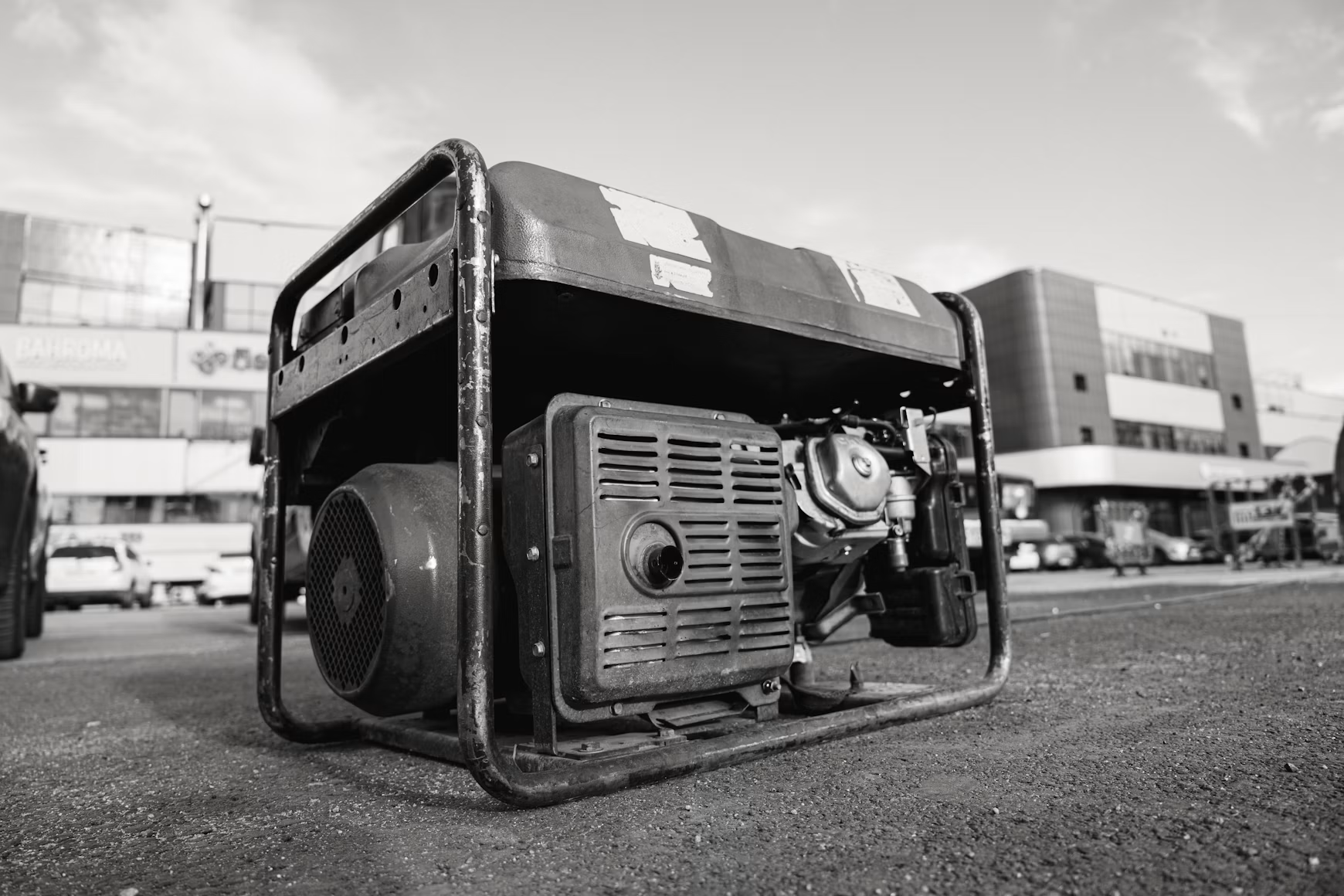
In response, the semiconductor manufacturer supplied 200 MWh of backup power to the city from its own diesel generators, helping the area avoid broader outages during a period of significant strain on the regional grid. No automation system could have replaced that response.
Rising regional temperatures are part of a broader pattern of climate change’s strain on power grids, adding pressure far beyond Taiwan. Even your most advanced automated systems cannot substitute for independent power generation when the grid itself is compromised.
Resilience Starts With the Infrastructure Behind Your Automation
Disasters covered here, from hurricanes to earthquakes, expose the same gap. Automation only performs as well as the power continuity, connectivity redundancy and physical protection behind it. National coverage and preventive maintenance build that foundation before disaster strikes. If you stress-test these systems now, your facility is more likely to stay standing when the grid goes down.