



















The process of lighting product selection for multi-residential building developments involves a complex negotiation between capital expenditure and long-term operating costs. Developers are often under pressure to minimize the initial cost of the project, while facility managers and residents prioritize energy efficiency and low maintenance requirements. Finding the right balance requires a thorough analysis of the total cost of ownership, which includes the purchase price, installation costs, energy consumption, and the frequency of lamp or component replacement. High-quality LED fixtures, although more expensive upfront, typically offer significant savings over time due to their superior efficiency and longevity.
In multi-residential construction, energy costs for common areas such as corridors, stairwells, and lobbies can be a major expense for the building’s owners’ association. Selecting lighting products with high efficacy and integrated control features can lead to substantial reductions in these costs. For example, fixtures with built-in occupancy sensors can ensure that lights are only at full brightness when someone is present, dimming or turning off during periods of low activity. This approach not only saves energy but also extends the operational life of the LEDs by reducing their overall run time. Resultantly, the investment in more advanced lighting technology pays for itself through lower utility bills and reduced maintenance.
The selection process should also consider the ease of installation and the impact on the construction schedule. Standardizing the types of fixtures used across the development can simplify the procurement process and reduce the complexity of the electrical work. In addition, choosing products from reputable manufacturers with reliable supply chains helps in avoiding delays during the construction phase. By prioritizing products that are easy to install and maintain, developers can reduce the labor costs associated with the lighting system and ensure that the project is delivered on time and within budget. Consequently, a strategic approach to lighting product selection contributes to the overall financial viability and success of the multi-residential development.
Durability and Vandal Resistance in Common Areas
Common areas in multi-residential buildings are subject to high levels of use and potential abuse. Lighting fixtures in these spaces must be capable of withstanding physical impact, both accidental and intentional. For areas like parking garages, stairwells, and exterior walkways, the durability of the lighting products is a primary consideration. This involves selecting fixtures with high impact resistance ratings, such as IK10, which indicates that the housing and lens can survive a significant amount of kinetic energy. Materials like die-cast aluminium and high-strength polycarbonate are frequently used for their robustness and resilience.
In addition to physical durability, fixtures in common areas must be resistant to environmental stressors. In coastal regions or high-pollution urban areas, the materials and finishes must be capable of resisting corrosion and degradation over time. This often requires the use of specialized coatings and weather-sealed gaskets to protect the internal components from the elements. Lighting product selection for these environments should prioritize fixtures with high Ingress Protection (IP) ratings to ensure they remain functional even in harsh conditions. Proper sealing also prevents the entry of insects and dust, which can accumulate inside the fixture and reduce its light output.
Vandal-resistant features are also important for maintaining the safety and appearance of the building. This includes the use of tamper-proof screws and fasteners that prevent unauthorized access to the internal components. For surface-mounted fixtures, the design should minimize the number of exposed edges and gaps that could be used to pry the fixture from the wall or ceiling. By selecting products that are specifically designed for high-traffic and high-risk environments, developers can reduce the likelihood of damage and the associated repair costs. Simultaneously, this proactive approach to durability ensures that the building remains well-lit and secure for all residents.
Enhancing Occupant Comfort in Private Living Spaces
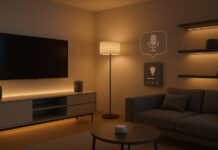
While common area lighting focuses on efficiency and durability, the selection of lighting products for private living spaces is centered on occupant comfort and aesthetic appeal. The lighting within an apartment or condominium should be versatile enough to support a wide range of activities, from cooking and working to relaxing and entertaining. This requires a layered approach to lighting design, incorporating ambient, task, and accent lighting. For example, recessed downlights can provide general illumination, while under-cabinet strips in the kitchen offer focused light for food preparation.
Color temperature and color rendering are critical factors in the quality of the indoor environment. Warm color temperatures, such as 2700K or 3000K, are generally preferred for residential spaces as they create a cozy and inviting atmosphere. A high color rendering index (CRI) is also essential for ensuring that the colors of furniture, artwork, and food are represented accurately. Designers are increasingly using tunable white technology in high-end multi-residential developments, allowing residents to adjust the color of the light to suit their mood or the time of day. This level of personalization enhances the living experience and adds value to the property.
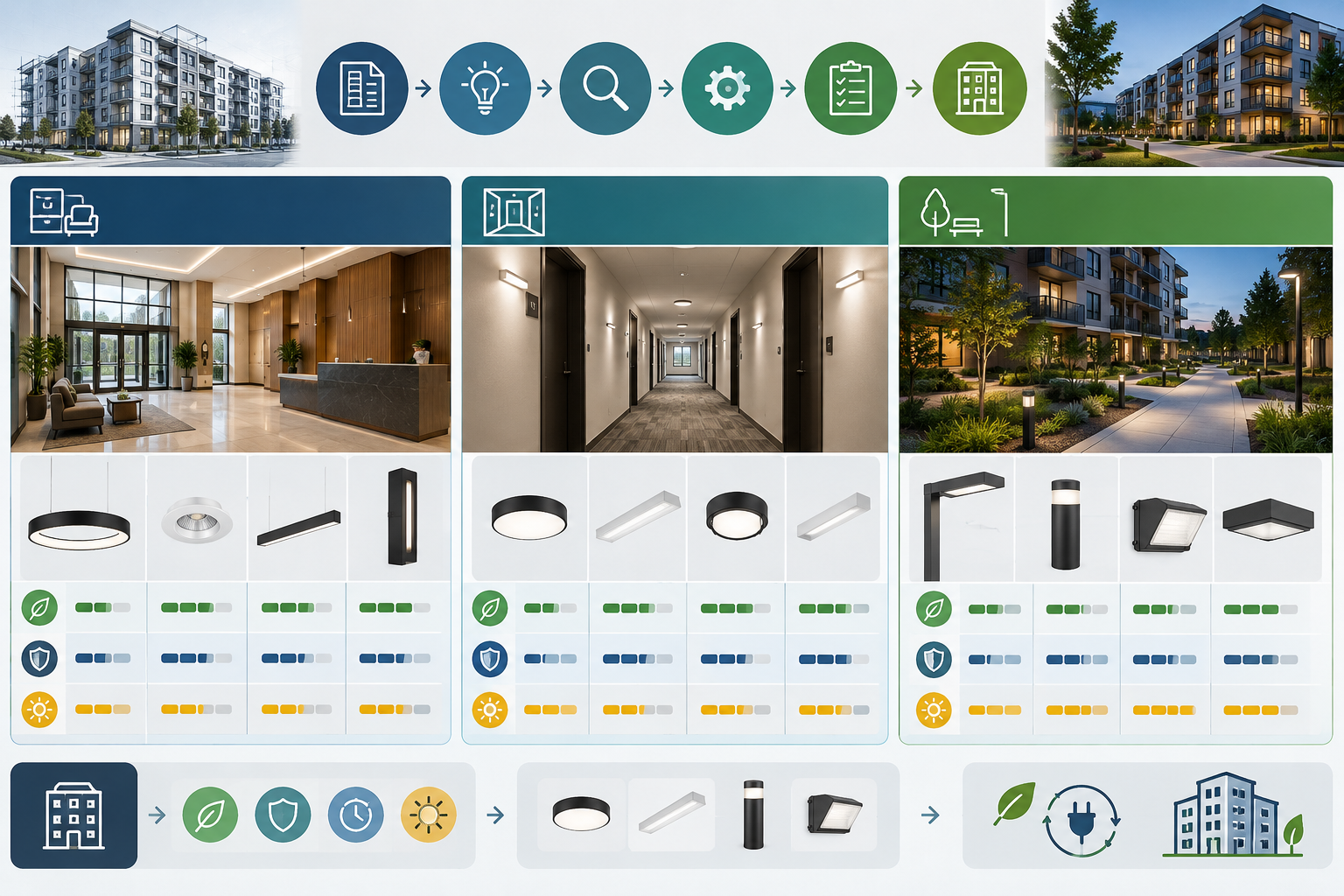
The selection of fixtures for private spaces also involves several practical considerations:
- The integration of dimming controls to allow residents to adjust the light levels.
- The use of low-glare optics to maintain visual comfort in smaller rooms.
- Selecting fixtures that are easy for residents to clean and maintain without professional help.
- Ensuring that the lighting design is compatible with the building’s overall architectural style.
By prioritizing these factors during the lighting product selection process, developers can create living spaces that are not only functional but also support the health and well-being of the residents. In addition, the use of linear luminaire systems in corridors and lobbies can provide a modern and consistent visual language throughout the building.
Compliance with Multi-Residential Fire and Safety Codes
Multi-residential buildings are subject to some of the most stringent fire and safety regulations in the construction industry. Lighting products must meet specific standards for fire resistance, emergency operation, and electrical safety. For example, fixtures installed in fire-rated ceilings must be equipped with fire hoods or built-in fire barriers to prevent the spread of flames and smoke through the ceiling cavity. Compliance with these codes is a non-negotiable aspect of lighting product selection, and designers must ensure that all specified products have the necessary certifications and test reports.
Emergency lighting is another critical component of the building’s safety system. In the event of a power failure or fire, the emergency lighting must provide enough illumination for residents to safely exit the building. This involves the use of self-contained battery-backed fixtures or a centralized emergency power system. The placement and intensity of these lights are strictly regulated by local building codes. Strategic selection of emergency lighting products that integrate seamlessly with the general lighting can reduce the visual clutter of the ceiling and improve the overall aesthetic of the space. Regular testing and maintenance of these systems are also required to ensure they remain functional in an emergency.
Electrical safety standards, such as those set by UL or CE, must also be met by all lighting products used in multi-residential housing. This includes rigorous testing of the insulation, grounding, and thermal performance of the fixtures. For outdoor areas and wet rooms like bathrooms and kitchens, the fixtures must have the appropriate IP ratings to ensure they are protected against moisture. By selecting products from reputable manufacturers who provide full compliance documentation, developers can minimize the risk of safety issues and legal liabilities. Consequently, the safety of the residents is the highest priority throughout the entire lighting design and selection process.
Centralized Management and Maintenance Planning
Long-term maintenance is a major operational challenge for multi-residential buildings, especially those with hundreds of units and extensive common areas. A well-planned maintenance strategy begins with the lighting product selection phase, with the goal of minimizing the frequency and complexity of service visits. Selecting fixtures with long-life LED modules and high-quality drivers is the most effective way to reduce the amount of maintenance required. In addition, using a limited number of fixture types across the development simplifies the task of sourcing and storing replacement parts.
Centralized lighting management systems are becoming increasingly popular in large multi-residential projects. These systems allow facility managers to monitor the status of all lighting in common areas and receive real-time alerts in the event of a failure. This proactive approach to maintenance ensures that any issues are identified and resolved before they impact the residents. Additionally, the system can provide data on energy consumption and operational hours, helping managers to optimize the lighting schedules and identify further opportunities for energy savings. This data-driven management leads to a more efficient and reliable building operation.
A comprehensive maintenance plan for a multi-residential building should include:
- A detailed inventory of all lighting products and their technical specifications.
- A schedule for regular cleaning and inspection of all fixtures in common areas.
- Testing protocols for emergency lighting and control systems as required by code.
- A plan for the responsible disposal and recycling of old lighting components.
By providing this plan to the building’s management team, the developer ensures that the lighting system continues to perform at its best for many years. Regular maintenance not only preserves the aesthetic quality of the lighting but also protects the residents’ safety and the building’s value. Resultantly, the combination of careful product selection and rigorous maintenance planning is the key to the long-term success of multi-residential lighting systems.