















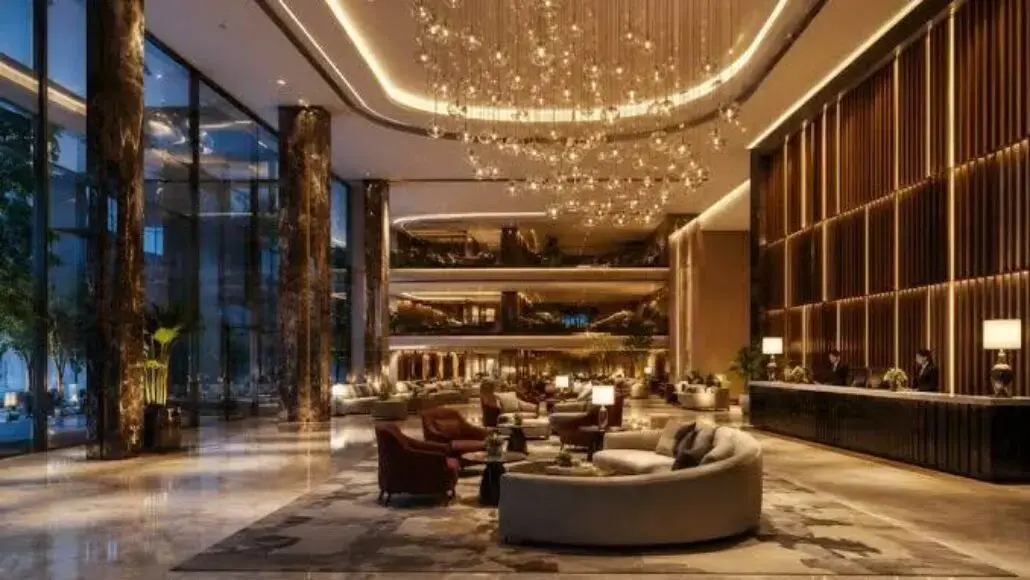


The creation of a unique brand identity in the hospitality sector often begins with the visual impact of the interior environment. Bespoke lighting fixtures serve as a central element in this branding strategy, allowing developers to move beyond the limitations of standard product catalogs. By commissioning custom pieces, hotel owners can ensure that their lighting reflects the specific heritage, location, or thematic essence of the property. This level of customization is particularly important in luxury hospitality construction, where every detail is scrutinized for its contribution to a premium guest experience.
The design process for these unique pieces involves close collaboration between the architect, the interior designer, and the custom manufacturer. It begins with a conceptual phase where the aesthetic goals are defined, often through sketches and mood boards. Once the concept is approved, the manufacturer develops technical drawings that translate the artistic vision into a buildable product. This transition from concept to creation requires a deep understanding of both traditional craftsmanship and modern production techniques. For example, a fixture might combine hand-blown glass elements with precision-machined metal components, requiring the coordination of multiple skilled artisans.
In addition to aesthetics, bespoke lighting fixtures must satisfy the functional requirements of the space they inhabit. In a hotel lobby, for instance, the lighting must provide adequate ambient illumination while also highlighting key architectural features and artwork. The ability to customize the light output, color temperature, and beam spread of each component within the fixture allows for a tailored approach to lighting design. This ensures that the illumination is perfectly balanced to create the desired atmosphere, whether it is a warm and welcoming entrance or a sophisticated and intimate bar area. Resultantly, the lighting becomes an integral part of the narrative that the hotel seeks to convey to its guests.
Material Selection for High Traffic Hospitality Environments
The choice of materials for custom lighting in hospitality settings is influenced by both aesthetic goals and the practical demands of a high-traffic environment. Hospitality properties are subject to intense use, and the fixtures must be capable of withstanding the rigors of frequent cleaning and physical interaction. Materials such as solid brass, stainless steel, and high-strength polymers are frequently selected for their durability and ease of maintenance. The finish of these materials is also a critical consideration; plating and powder-coating techniques must be of the highest quality to prevent tarnishing or chipping over time.
Sustainability is becoming an increasingly important factor in material selection for hospitality construction. Designers are prioritizing the use of recycled or locally sourced materials to reduce the environmental footprint of their projects. This shift is also reflected in the choice of lighting technology, with LED modules now being the standard for all bespoke lighting fixtures. LEDs offer significant advantages in terms of energy efficiency and longevity, which is essential for properties that operate twenty-four hours a day. Furthermore, the modular nature of LED technology allows for more creative freedom in the design of the fixtures, as the light sources can be integrated into unconventional shapes and sizes.
Technical considerations such as acoustic performance can also influence the choice of materials. In large, reverberant spaces like grand ballrooms or dining halls, the use of sound-absorbing materials within the lighting fixtures can help in managing noise levels. This might involve the integration of felt, fabric, or acoustic foams into the design of the shades or structural elements. By addressing acoustic needs through the lighting, designers can improve the overall comfort of the space without compromising on the visual design. This holistic approach to material selection ensures that the lighting contributes to the multi-sensory experience of the hospitality environment.
Technical Engineering of Large Scale Custom Installations
Engineering a large-scale custom lighting installation presents a set of technical challenges that go beyond those of standard residential or commercial fixtures. These pieces often weigh hundreds of pounds and span several meters, requiring specialized structural support and rigging. The engineering process must account for the static and dynamic loads that the fixture will place on the building’s ceiling or wall structure. This often necessitates the involvement of structural engineers who can verify that the mounting points are capable of safely supporting the weight.
Electrical safety and compliance are paramount in the engineering of bespoke lighting fixtures. Every custom piece must be tested and certified to meet the relevant safety standards, such as UL or CE marking. This involves a rigorous assessment of the internal wiring, grounding, and thermal management systems. Because custom fixtures often use unique configurations of components, the manufacturer must ensure that all parts are compatible and that the overall system is protected against electrical faults. Proper architectural luminaire integration protocols should be followed during the installation phase to ensure that the custom fixtures are correctly interfaced with the building’s electrical and control systems.
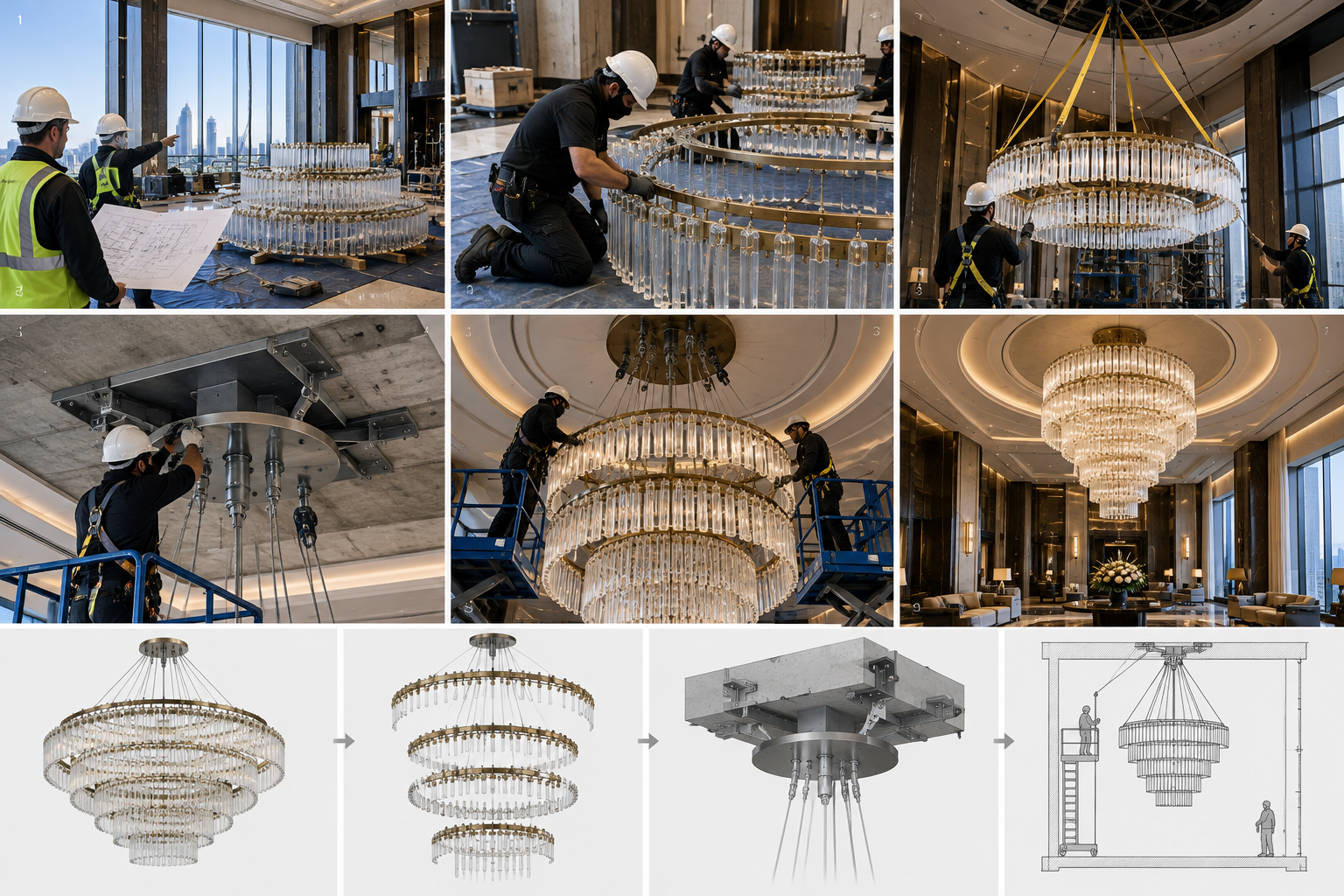
The installation of these complex systems requires a high level of coordination and precision. It often involves:
- On-site assembly of modular components to facilitate transportation and handling.
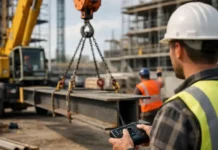
- The use of specialized lifting equipment, such as scissor lifts or hoists, to position the fixture.
- Precise leveling and alignment to ensure the piece hangs correctly within the architectural space.
- Testing of all lighting circuits and control signals before the final handover.
By addressing these technical requirements during the engineering phase, the risk of delays or complications during construction is significantly reduced. This ensures that the final installation is not only visually stunning but also safe and reliable for long-term use.
Coordination Between Interior Design and Structural Engineering
The success of a hospitality project often hinges on the effective coordination between various design and engineering disciplines. For bespoke lighting fixtures, this means ensuring that the artistic vision of the interior designer is compatible with the technical requirements of the structural and electrical engineers. This coordination should begin during the early stages of the design process, with regular meetings and workshops to discuss the placement, weight, and power requirements of the custom pieces. This allows for any potential conflicts to be identified and resolved before they impact the construction schedule.
One of the primary areas of coordination is the design of the ceiling or wall structure that will support the lighting. If the fixtures are particularly heavy, the building’s framework may need to be reinforced with additional steel beams or backing plates. This information must be clearly communicated to the construction team so that the necessary reinforcements can be installed during the shell and core phase. Similarly, the electrical engineer must ensure that the building’s power distribution system can accommodate the load of the custom lighting and that the necessary control wiring is in place.
Digital modeling tools such as Building Information Modeling (BIM) play a crucial role in facilitating this coordination. By creating a detailed 3D model of the building and the lighting fixtures, designers and engineers can visualize how the various components will interact in the physical space. This helps in detecting clashes and ensuring that there is adequate clearance for installation and maintenance. Additionally, BIM models can be used to simulate the lighting effects and verify that the design meets the required illumination levels and aesthetic goals. Consequently, the use of these advanced tools leads to a more efficient and accurate construction process.
Lifecycle Maintenance and Component Accessibility
Long-term maintenance is a critical consideration for any lighting system, but it is especially important for custom fixtures in the hospitality sector. Hotels cannot afford to have large, prominent lighting pieces out of service, as it negatively impacts the guest experience and the brand image. Therefore, the design of bespoke lighting fixtures must prioritize ease of maintenance and the accessibility of key components. This includes the light sources, drivers, and control modules, all of which will eventually require replacement or repair.
Strategic design choices can significantly simplify the maintenance process. For example, using standard, commercially available LED modules and drivers within a custom enclosure ensures that replacement parts are easy to source. The fixture should also be designed with access panels or removable sections that allow technicians to reach the internal components without the need for specialized tools or complete disassembly. In some cases, the use of motorized winches or lowering systems can allow the entire fixture to be brought down to floor level for servicing, eliminating the need for high-reach equipment in public areas.
A well-documented maintenance manual is also essential for the long-term management of custom lighting. This manual should include:
- Detailed assembly drawings and part lists.
- Instructions for cleaning and refinishing the various materials.
- A schedule for regular inspections and testing.
- Troubleshooting guides for common electrical or control issues.
By providing this information to the facility management team, the manufacturer ensures that the lighting continues to perform at its best for the life of the building. Regular maintenance not only preserves the aesthetic beauty of the fixtures but also extends their operational life, reducing the need for costly replacements. Simultaneously, this proactive approach to maintenance contributes to the overall operational efficiency and sustainability of the hospitality property.