




















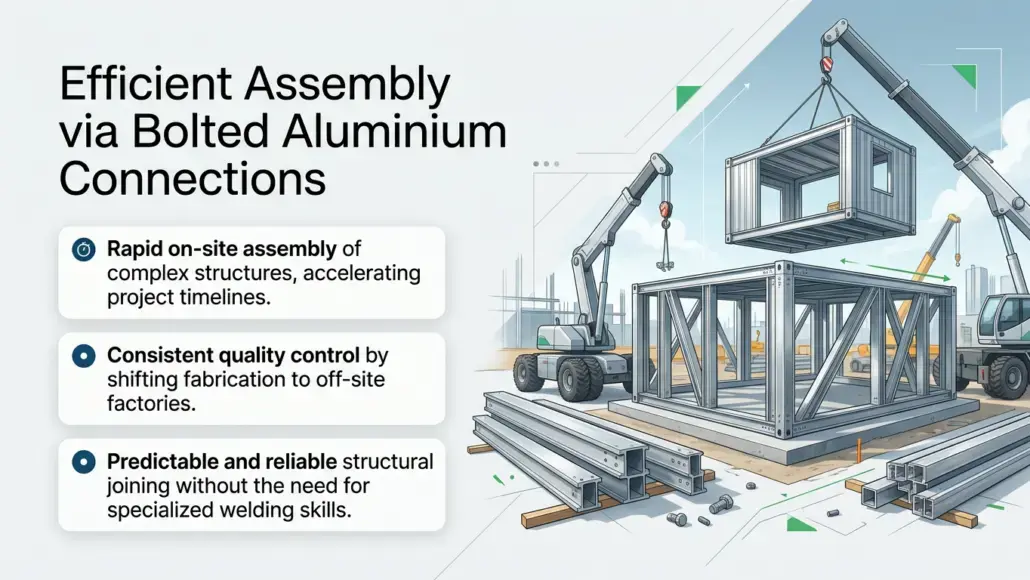

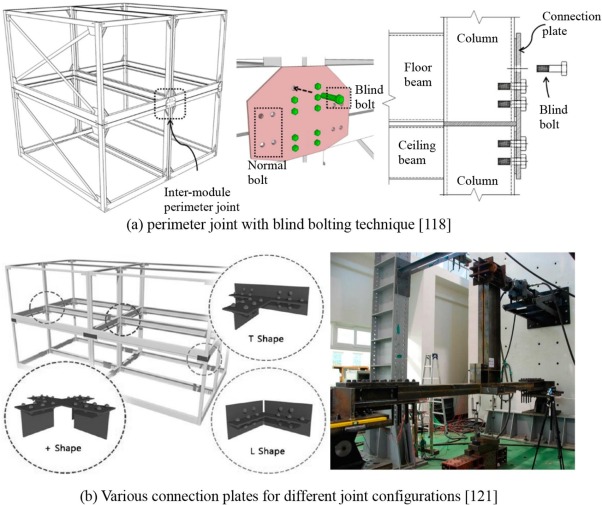
The move towards off-site manufacturing and modular construction has necessitated the development of highly efficient and reliable joining techniques for structural components. In the realm of aluminium engineering, the use of bolted aluminium connections has become a cornerstone of the pre-fabrication strategy, allowing for the rapid and secure assembly of complex structures on the building site. Unlike welding, which often requires controlled environments and specialized labor that may be difficult to mobilize in the field, mechanical fastening provides a versatile and predictable method for creating durable structural joints. By utilizing high-strength bolts and precisely machined connecting plates, engineers can design assemblies that are not only easy to install but also fully demountable, facilitating future modifications or even the entire decommissioning and recycling of the structure. This flexibility is a key driver in the adoption of aluminium for a wide range of architectural applications, from temporary pavilions to permanent high-rise facades.
The design of bolted aluminium connections requires a careful consideration of the material’s unique mechanical properties. Aluminium has a lower modulus of elasticity compared to steel, which means that the joint’s stiffness and the potential for localized deformation around the bolt holes must be carefully managed. High-quality structural bolts, often made from stainless steel or high-strength aluminium alloys, are used to provide the necessary clamping force while resisting the atmospheric corrosion that can compromise the integrity of the connection over time. The use of specialized washers and load-distributing plates further enhances the performance of the joint, ensuring that the structural loads are transferred evenly through the assembly. As the complexity of prefabricated systems continues to grow, the role of these mechanical connections becomes increasingly central to achieving the desired balance of speed, cost, and long-term durability.
Thermal expansion is another critical factor in the design of bolted assemblies. Aluminium expands and contracts significantly more than steel or concrete in response to temperature changes. In long-span or high-rise structures, this can lead to substantial movement within the joints. To accommodate this, engineers often utilize slotted bolt holes or specialized sliding connections that allow for thermal movement without introducing excessive stress into the structural frame. The precision of the fabrication process is essential here, as the clearances within the connection must be exactly as specified to ensure the structure remains stable while still allowing for the necessary flexibility. The use of low-friction coatings on the sliding surfaces can further enhance the performance of these “dynamic” joints, reducing the potential for wear or noise as the building responds to its environment.
The aesthetic impact of the connections should not be overlooked. In many contemporary architectural designs, the structural frame is left exposed as a primary visual element. Bolted connections can be designed to be either hidden or celebrated as a design feature. Recessed bolts with matching aluminium caps provide a clean and seamless appearance, while exposed high-strength fasteners can emphasize the technical and industrial nature of the structure. The choice of finish for the connecting plates, whether anodized or powder-coated, can further integrate the joints into the broader architectural palette. This attention to detail ensures that the structural connections contribute to the overall beauty of the building, rather than detracting from it. By combining engineering excellence with architectural vision, fabricators can deliver systems that are as visually striking as they are structurally sound.
Engineering Principles for High-Performance Joints
The reliability of bolted aluminium connections is rooted in the precision of their design and fabrication. Structural engineers must account for the diverse forces acting on the joint, including tension, shear, and bearing pressures. The spacing and edge distance of the bolt holes are critical parameters that determine the overall strength of the connection and its resistance to tearing or splitting. In many high-performance applications, the use of “slip-critical” connections is preferred, where the friction between the joined surfaces, rather than the bearing of the bolt against the hole, transfers the load. To achieve this, the contact surfaces must be prepared to a specific roughness, and the bolts must be tightened to a precise pre-tension using calibrated torque wrenches or tension-indicating washers. This level of technical rigor ensures that the assembly remains rigid and stable, even under the significant dynamic loads encountered in long-span roofs or seismic events.
Additionally, the integration of bolted aluminium connections into a prefabricated workflow allows for the extensive use of shop-fabricated sub-assemblies. These modules can be manufactured under controlled conditions where the accuracy of the bolt holes and the fit-up of the connecting plates can be verified before the components leave the factory. This approach significantly reduces the potential for errors and delays on-site, as the installation team is simply “bolting together” a kit of parts that has already been proven to fit. This synergy is particularly evident when these connections are used in conjunction with aluminium truss systems supporting long-span architectural structures, where the ability to assemble large truss sections quickly and safely is a major logistical advantage. The use of standardized connection details also simplifies the procurement and inventory management processes, further improving the overall efficiency of the project.
Logistical Benefits of Mechanical Fastening
One of the most compelling arguments for the use of bolted aluminium connections is the impact on site logistics and assembly timelines. Because mechanical fastening does not require the use of heavy welding equipment or specialized shielding gases, the installation process is much cleaner and quieter, making it ideal for projects in occupied buildings or sensitive urban environments. The absence of hot work also eliminates the need for fire watches and other safety precautions associated with welding, further streamlining the construction schedule. Small crews using hand-held power tools can rapidly assemble large structural modules, reducing the reliance on heavy cranes and minimizing the disruption to the surrounding area. This “dry” assembly process is also highly compatible with compressed project timelines, where the ability to work in varied weather conditions is a significant benefit.
The following list outlines the practical advantages of utilizing mechanical fastening in aluminium construction:
- Rapid on-site assembly without the need for specialized welding equipment or certifications.
- Ease of inspection, as the integrity of the joint can be verified through visual checks and torque testing.
- Full demountability of the structure, allowing for future reconfiguration, expansion, or recycling.
- Reduced risk of fire and other safety hazards associated with hot-work processes.
- High degree of predictability in the joint’s mechanical performance and long-term durability.
- Ability to join dissimilar materials, such as aluminium and steel, with appropriate isolation.
- Lower overall labor costs due to simplified assembly procedures and faster installation times.
Durability and Maintenance of Bolted Assemblies
The long-term performance of integrated building components is a critical consideration for the life-cycle management of the building. In outdoor or corrosive environments, the choice of fastener material and the implementation of protective measures are vital for preventing galvanic corrosion. When joining aluminium components with stainless steel bolts, the use of non-conductive washers or coatings is often required to isolate the two metals and prevent the formation of an electrolytic cell. Additionally, the joint design should facilitate the drainage of moisture to prevent the accumulation of water and debris around the fasteners. Regular maintenance inspections typically involve checking the tightness of the bolts and inspecting the connection for any signs of localized corrosion or wear. Because these connections are accessible and demountable, any necessary repairs or replacements can be carried out with minimal disruption to the rest of the structure.
Future Innovations in Mechanical Joining
As the demand for increasingly complex and sustainable buildings grows, the technology of high-performance components continues to evolve. We are seeing the development of high-strength, lightweight fasteners that are specifically optimized for use with the latest generation of aluminium alloys. Additionally, the integration of “smart” fasteners equipped with internal sensors is providing new opportunities for real-time structural health monitoring. These fasteners can detect changes in their pre-tension or the onset of vibration, providing valuable data to facility managers about the integrity of the structural joints throughout the building’s service life. This proactive approach to maintenance is a significant advancement over traditional periodic inspections, allowing for the early identification of potential issues and the extension of the structure’s operational lifespan.
The role of digital manufacturing will also continue to influence the design and fabrication of mechanical connections. The use of 3D printing for the production of customized node connectors and gusset plates allows for the creation of highly efficient, geometrically complex joints that are perfectly tailored to the specific loading conditions of a project. These components can be designed with integrated bolt holes and alignment features that further simplify the on-site assembly process. As the industry moves towards a more integrated and automated future, the synergy between high-precision fabrication, advanced fasteners, and durable digital workflows will continue to drive the development of even more efficient and sustainable structural solutions. The commitment to technical excellence in the mechanical joining sector ensures that aluminium will remain a primary material for the buildings of tomorrow, providing a perfect blend of performance, flexibility, and environmental responsibility.
The economic advantages of mechanical fastening are also noteworthy. While the individual cost of high-strength fasteners can be higher than welding consumables, the reduction in site labor and the elimination of specialized equipment leads to a lower total installed cost. In addition, the predictability of the assembly process reduces the risk of project overruns and allows for more accurate budgeting. For developers and building owners, the ability to rapidly deliver a high-quality structure with minimal site risk is a major financial benefit. As the construction industry continues to face labor shortages and rising costs, the move towards highly efficient, prefabricated systems like those enabled by precision engineering solutions will only accelerate.
The transition to advanced manufacturing techniques represents a significant step forward for the modular construction industry. By providing a reliable, efficient, and fully demountable method for joining structural components, mechanical fastening enables the creation of complex architectural systems that are both easy to build and maintain. This technology not only improves the speed and safety of the on-site assembly process but also enhances the long-term flexibility and sustainability of the built environment. As architectural designs continue to evolve, the ability to join components with speed and precision will remain a critical competitive advantage. The commitment to innovation and quality in the mechanical joining sector ensures that the buildings of the future will be as adaptable and durable as they are beautiful, providing a durable foundation for the next generation of architectural landmarks. The synergy between material science, structural engineering, and digital manufacturing is what will continue to push the boundaries of what is possible in the aluminium sector, creating structures that are truly built to last.