




















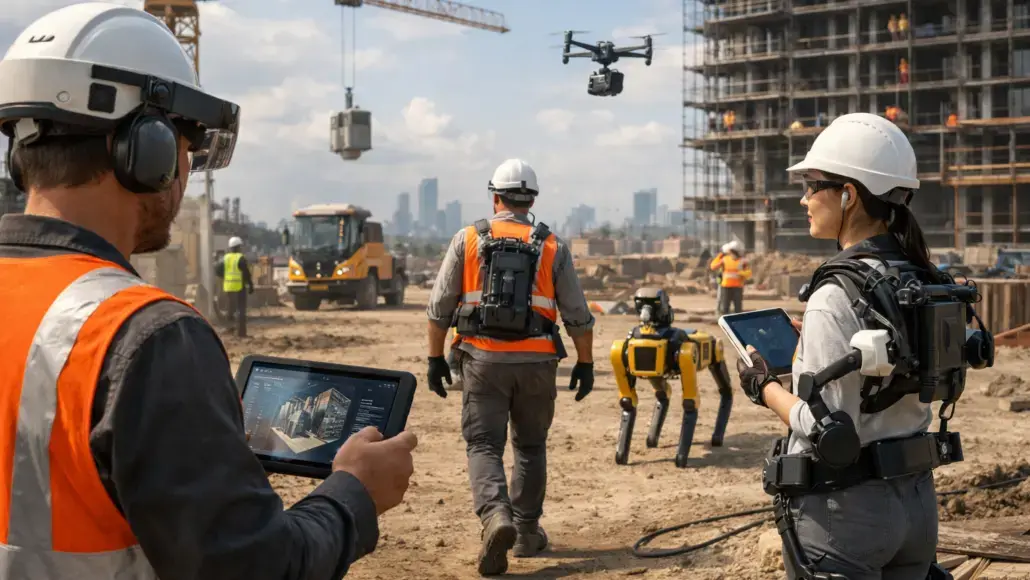


Industrial professionals are already considering how the sector will transform by 2030, especially at the intersection of innovation and workforce protection. Safeguarding laborers is the most crucial element on future construction sites, with technology driving enhanced security and well-being. Eventually, these advancements will replace old equipment, outdated practices and dismissive mindsets about the importance of construction safety.
Artificial Intelligence-Powered Predictive Analytics for Proactive Safety
Construction has already adopted AI monitoring, but this is just the beginning. It may be used to gather information about a jobsite or to consolidate data silos in other parts of the firm. Its utility for safety has yet to be fully tapped. Previously, workers would react to an incident as it was happening. Now, AI platforms can predict them, helping teams respond proactively.
It will achieve this by analyzing countless data points from many sources, including:
- Worker schedules
- Weather conditions
- Machinery maintenance timetables
- Equipment sensors
- Project forecasts
Then, a company can identify the highest-risk factors at the individual and site levels. Supervisors can issue adequate warnings, institute additional training and provide more protective tools. Safety is at the core of incorporating these advancements, as it requires a proactive mindset shift that extends to other aspects of the workflow, from environmental planning to material procurement.
Robotics and Automation for High-Risk Tasks
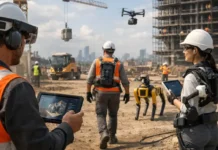
Automation tools are becoming more prominent, especially as digital transformation becomes a priority for many competitive firms. Additionally, output expectations are rising, requiring buildings like modular warehouses to be constructed at unprecedented speed. Fortunately, these methods have made construction sites safer, aided by robotics and other tools that make dangerous tasks more manageable. They may even eliminate the need for human intervention.
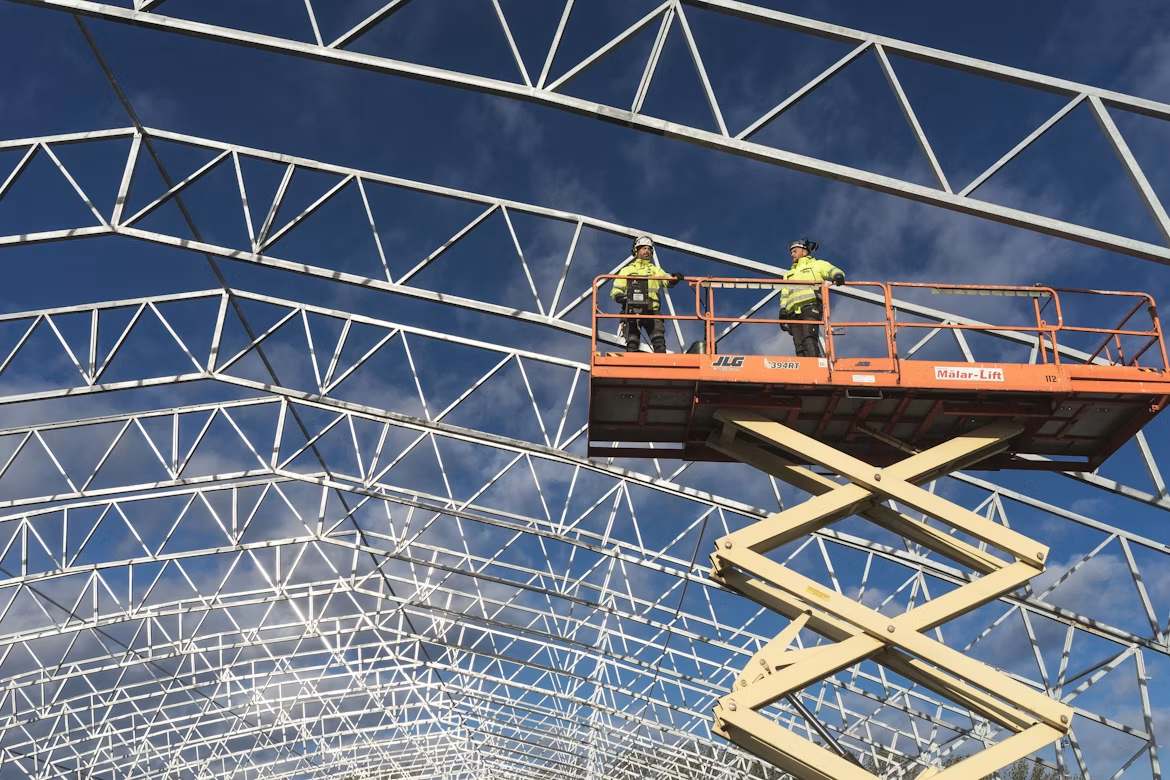
Robotics and automation can perform some of the highest-risk tasks in construction projects. Consider that falls from a height are among the leading causes of injuries and fatalities on the job. A robotic arm that can reach those heights or carry loads higher reduces the number of people in dangerous situations, such as failing to notice a trench or being struck by a crane at height.
Smart Personal Protective Equipment (PPE) and Wearable Technology
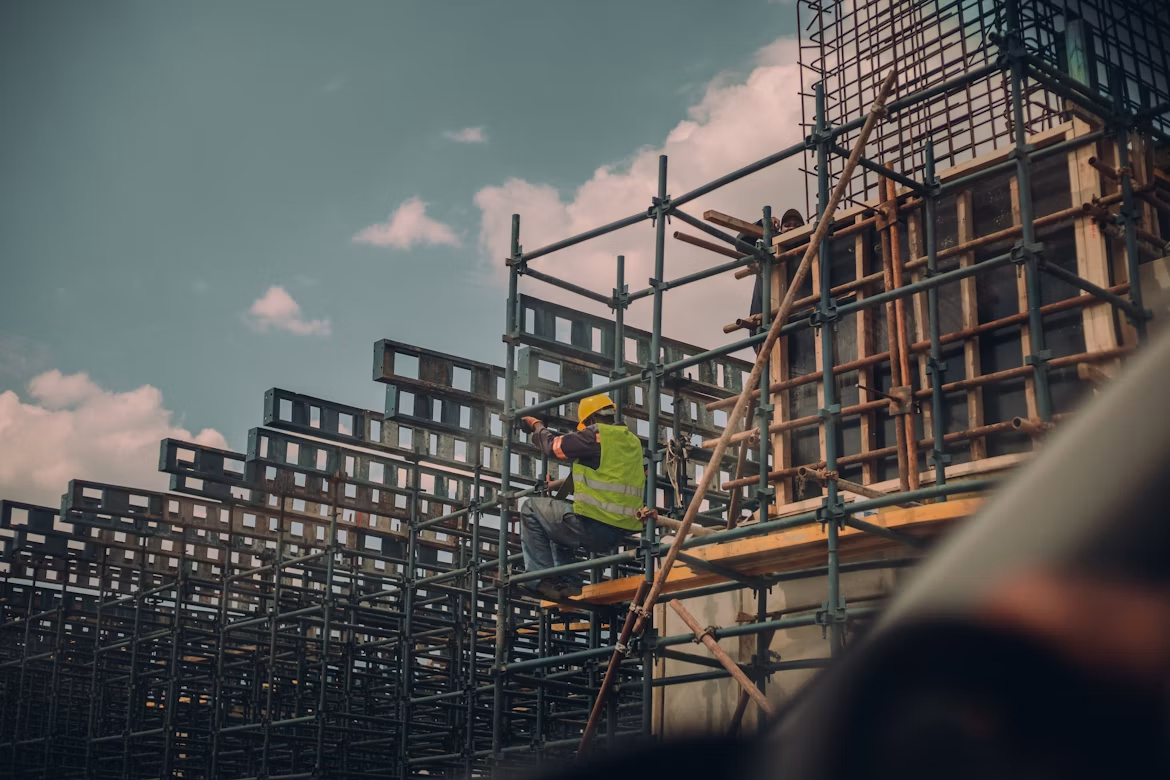
Steel-toed boots, a hard hat and a reflective vest are some of the essentials every construction worker should wear. All PPE will remain a staple of the industry, but it can be improved to enhance incident detection and reporting capabilities. In 2030, PPE will include wearable technology that monitors biomarkers and vital signs to catch dangers before they escalate into serious medical concerns.
A smart hard hat may not prevent someone from falling, but it could notify emergency services faster than a human when it detects an impact. This could save someone’s life, especially if they are working in a remote location or far from the rest of the team. Tools like intelligent vest monitors can detect changes in heart rate and body temperature to prevent heat stress or exhaustion, alerting individuals to take a break, drink water or find shelter.
The real-time data and updates help workers be more proactive about their care. It also encourages them to take more breaks if they feel their firm is supportive of the wearable technologies’ recommendations. Fewer incident reports will be filed with the help of these aids and expanded oversight.
Comprehensive Site Monitoring With Lights and Cameras
From AI-powered cameras and drones to solar-powered lighting, every construction site can improve its visibility and supervision. Solar lighting systems deliver a 24/7 power supply, regardless of grid availability. Technologies like advanced lighting help the field comply with OSHA standards by ensuring consistent light distribution and supporting emergency illumination during evacuations or power outages. These adaptive devices can compensate for dynamic changes in natural light or energy availability, whereas conventional lights cannot.
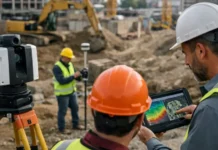
AI-powered cameras work similarly to provide better surveillance over the project. They can use enhancements, such as computer vision, to identify when a regulation or safety rule is not being followed, preventing disasters by reporting violations based on images and video alone. If someone crosses a virtual barrier into a restricted zone, the cameras can detect it and notify management before anyone gets hurt.
When management and safety personnel are pulled in multiple directions, it becomes impossible to review the entire site at all times for full compliance. Technology like advanced lights and cameras will keep safety adherence more consistent as 2030 approaches.
Digital Twins for Effective Safety Planning
Digital twins have generated buzz over the years for modeling buildings for architects and visualizing long-term utility efficiency. However, they will eventually become a mainstay in safety management by simulating jobsite and workflow scenarios to visualize the effectiveness of each tactic in preventing incidents.
This is driving the future of construction because stakeholders can see a job’s risk profile in the preconstruction phase, before anyone sets foot on the property. It will become a safety precaution to view the space in a virtual environment first, seeing the consequences of the site’s layout before they become reality. Teams will be able to finesse crane movements and heavy-machinery sequencing long before they have to rely solely on their intuition to navigate dangerous spaces.
A Focus on Worker Well-Being and Mental Health
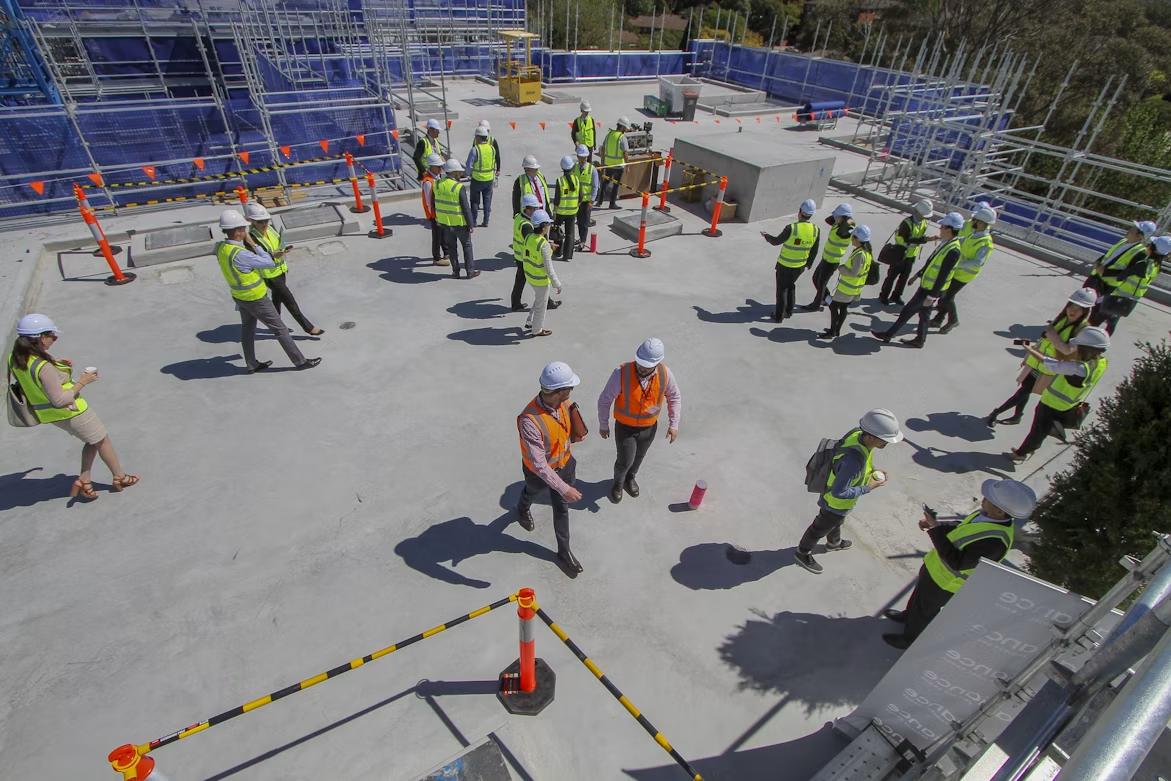
More professionals are acknowledging the mental struggles workers endure. The physical burdens take a toll on their well-being. Some of the most significant health factors in construction include burnout, anxiety and depression.
Long working weeks and feeling disconnected from social lives are a few reasons why this builds up. One 2025 study shows the scale of the issue: 64% of construction workers reported anxiety or depression in the past 12 months, while 36% missed work because of mental health concerns. It’s easier to be proactive about employee mental health than to be reactive to it.
Construction safety in 2030 will take a more holistic approach, including noticing the connections between the physical and mental. Fatigue management, anxiety and depression support, and mindfulness resources are only a handful of the quality-of-life offerings that will become staples in the construction world as safety features instead of just healthcare solutions.
Seeing Construction Trends as Early as Today
Considering the future is the best way for construction and industrial professionals, alongside safety experts, to build a more workforce-focused sector. Competitive firms will prioritize their people. Investing in technologically advanced safety solutions will craft a more consistent, sustainable and empowered team that produces the high-quality work the future needs.