

























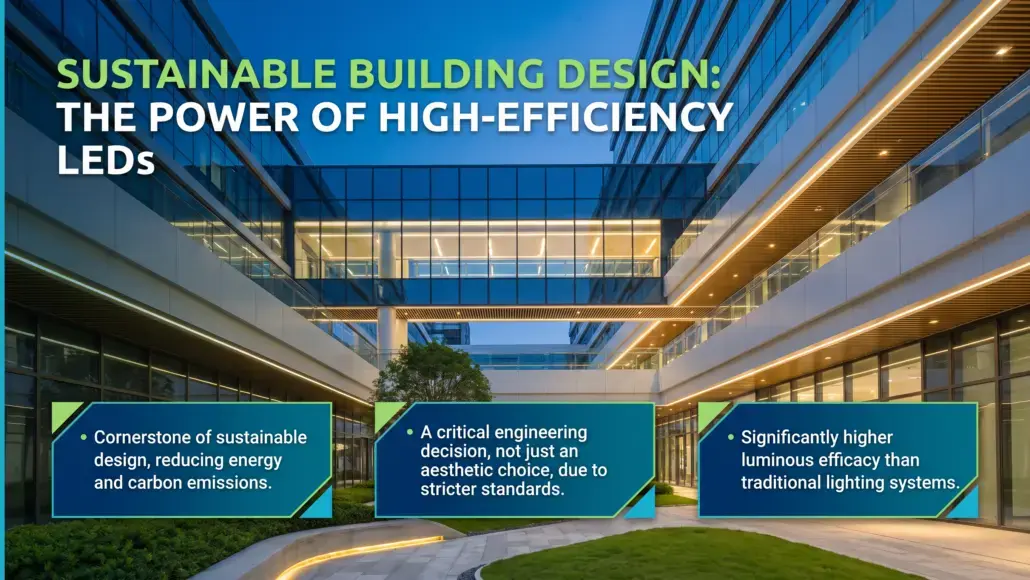


The integration of high-efficiency LED systems into commercial building projects has become a cornerstone of sustainable design, offering a powerful tool for reducing operational energy consumption and carbon emissions. As global building codes and environmental standards continue to tighten, the selection of lighting technology has evolved from a simple aesthetic choice to a critical engineering decision. These advanced systems provide significantly higher luminous efficacy than traditional light sources, converting a greater proportion of electrical energy into visible light rather than heat. For construction professionals, the deployment of high-efficiency LED systems involves a comprehensive approach that considers thermal management, optical precision, and the long term lifecycle of every component. By prioritizing these high performance solutions, developers can meet the ambitious sustainability targets required by green building certifications such as LEED and BREEAM while providing superior lighting quality for occupants.
The technical superiority of modern LED technology is driven by continuous improvements in semiconductor materials and package design. High-efficiency LED systems utilize advanced phosphor coatings and optimized chip architectures to achieve impressive lumens per watt ratings, often exceeding the performance of first generation LED products by a significant margin. This improvement in efficacy directly translates into lower utility bills for building owners and a reduced demand on the local electrical grid. Beyond the immediate energy savings, the longevity of these systems reduces the frequency of maintenance and the volume of waste generated by frequent lamp replacements. In the context of large scale commercial developments, where thousands of fixtures are installed across millions of square feet, the cumulative impact of these efficiency gains is substantial. The transition to high efficiency lighting is not merely a trend but a fundamental requirement for the future of the built environment.
Thermal Management and Component Longevity in LED Design
The long term performance of high-efficiency LED systems is heavily dependent on the effectiveness of their thermal management solutions. Unlike traditional incandescent or halogen lamps that radiate heat as infrared energy, LEDs generate heat at the semiconductor junction, which must be conducted away from the chip to prevent premature degradation. Engineers must design luminaires with integrated heatsinks, often made from high conductivity aluminum alloys, to maintain optimal operating temperatures. Effective cooling is essential for preserving the luminous flux and color stability of the LED over its rated life, which can exceed fifty thousand hours in well designed systems. In commercial settings where lights may operate for sixteen to twenty four hours a day, the quality of the thermal design is a primary factor in the total cost of ownership.
Advanced thermal simulations are used during the design phase to predict how heat will dissipate within different installation environments. For example, fixtures recessed into insulated ceilings or mounted in high temperature industrial spaces require more aggressive cooling strategies than those in open, ventilated areas. The use of phase change materials or active cooling fans may be necessary for ultra high power applications where passive conduction alone is insufficient. By ensuring that components remain within their specified temperature ranges, construction teams can guarantee that the lighting system will deliver consistent performance for its entire intended lifespan. This focus on durability is a key aspect of sustainable building design, as it minimizes the need for premature replacements and the associated environmental costs of manufacturing and transport.
Luminous Efficacy vs. Operational Carbon Footprint
The relationship between luminous efficacy and the operational carbon footprint of a building is a central theme in modern construction engineering. Luminous efficacy, measured in lumens per watt, provides a clear metric for comparing the efficiency of different lighting systems. High-efficiency LED systems that deliver more light for less power allow for a reduction in the overall lighting power density (LPD) of a building, a key requirement for meeting energy codes such as ASHRAE 90.1 or Title 24. Lower LPD values not only reduce direct energy use but also lower the internal heat gain of the building, which in turn reduces the cooling load on the HVAC system. This synergistic effect magnifies the energy savings achieved through efficient lighting, leading to a significant reduction in the building’s total carbon emissions.
Specifying luminaires with high efficacy also provides greater flexibility for lighting designers, allowing them to achieve desired illumination levels with fewer fixtures or lower wattage settings. This reduction in the quantity of installed hardware further supports sustainability goals by minimizing the environmental impact of the manufacturing process. However, engineers must balance the pursuit of maximum efficacy with other quality metrics such as color rendering and glare control. A system that is highly efficient but provides poor visual comfort will not meet the long term needs of occupants. Therefore, the selection process must involve a holistic evaluation of the system’s performance, ensuring that energy efficiency and human experience are equally prioritized. By achieving this balance, developers can create spaces that are both environmentally responsible and highly productive.
Circular Economy Principles in Lighting Component Sourcing
As the construction industry moves toward more circular economic models, the sourcing and disposal of lighting components have come under increased scrutiny. High-efficiency LED systems are being designed with modularity and recyclability in mind, ensuring that individual parts can be replaced or repurposed at the end of their useful life. This approach contrasts with older generations of luminaires that often required the disposal of the entire fixture if a single component failed. Modular designs allow for the upgrading of LED engines and drivers as technology advances, extending the life of the architectural housing and reducing the total volume of waste.
Manufacturers are also increasingly using recycled materials in the production of luminaires, including post consumer aluminum and plastics. The implementation of take back programs, where manufacturers collect and recycle old fixtures, further supports the transition to a circular economy. From a procurement perspective, developers are looking for products with Environmental Product Declarations (EPDs) that provide transparent data on the material composition and environmental impact of the luminaire throughout its lifecycle. This transparency allows for more informed decision making and supports the achievement of credits in green building rating systems. By integrating circular economy principles into the selection of high-efficiency LED systems, the construction sector can significantly reduce its environmental footprint and promote a more sustainable supply chain.
Green Building Certification Compliance Frameworks
Achieving certification under programs like LEED, BREEAM, or the WELL Building Standard requires a rigorous commitment to high performance lighting. High-efficiency LED systems play a pivotal role in these frameworks, contributing to multiple credit categories beyond simple energy efficiency. For instance, the use of advanced optics and shielding to minimize light spill supports the Light Pollution Reduction credits in LEED. Similarly, the ability of these systems to provide high quality, flicker free light with excellent color rendering supports the Health and Well Being categories in the WELL standard. The documentation required for these certifications involves detailed photometric calculations, energy models, and manufacturer certifications, all of which must be coordinated by the engineering team.
The integration of intelligent controls with high efficiency fixtures further enhances a building’s performance under these certification programs. Automated dimming, daylight harvesting, and occupancy sensing are often mandatory requirements for achieving higher tiers of certification. These controls ensure that the efficiency potential of the LED systems is fully realized in practice, preventing energy waste when spaces are unoccupied or when natural light is sufficient. The data generated by these systems also supports the ongoing commissioning and performance verification required by many green building standards. By aligning the lighting design with these established compliance frameworks, construction professionals can demonstrate their commitment to excellence and provide third party verification of the building’s sustainable credentials.
Life Cycle Cost Analysis for Energy Efficient Retrofits
While the initial cost of high-efficiency LED systems may be higher than traditional options, a detailed life cycle cost analysis (LCCA) often reveals significant long term financial benefits. LCCA accounts for the total cost of the system over its entire life, including the initial purchase price, installation labor, energy costs, and maintenance expenses. In most commercial applications, the energy savings alone are sufficient to achieve a return on investment within a few years. When the reduced maintenance costs and extended replacement cycles are included, the financial case for high efficiency lighting becomes even more compelling. This analysis is particularly important for retrofit projects, where existing buildings are being upgraded to meet modern performance standards.
For developers and building owners, the LCCA provides a clear roadmap for investment, helping to justify the higher capital expenditure of premium lighting solutions. The analysis also highlights the risks associated with selecting lower quality components, such as increased failure rates and higher long term operational costs. In addition to the direct financial savings, high-efficiency LED systems can increase the overall value of the asset by improving its energy rating and appeal to environmentally conscious tenants. As energy prices continue to fluctuate and carbon taxes become more prevalent, the importance of long term operational efficiency will only grow. By prioritizing high-efficiency LED systems through a rigorous life cycle cost perspective, the construction industry can deliver projects that are financially sound and environmentally sustainable for many decades to come.