

























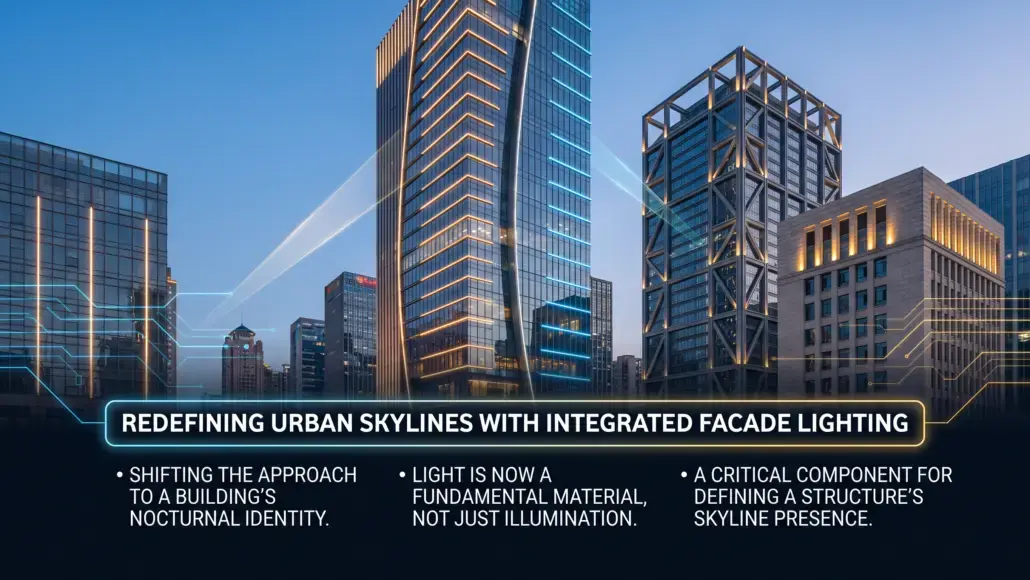


The integration of facade lighting systems within commercial building architecture represents a significant shift in how developers and architects approach the nocturnal identity of urban structures. This technical evolution moves beyond simple illumination, positioning light as a fundamental building material that interacts with glass, steel, and stone to define a structure’s presence within the skyline. Modern facade engineering now treats lighting as a critical component of the building envelope, requiring precise coordination between electrical engineers, lighting designers, and structural teams throughout the project lifecycle. As commercial real estate markets become increasingly competitive, the ability of a building to stand out through sophisticated exterior design has become a measurable asset for investors. The deployment of facade lighting systems is no longer an afterthought but a central element of the initial design phase, influencing everything from power distribution to the physical mounting brackets integrated into the building skin. Developers recognize that a well-executed lighting scheme provides a unique branding opportunity, establishing a visual narrative that persists long after the sun sets.
Architectural trends in the commercial sector prioritize the creation of landmark status, where a building functions as a beacon during the evening hours. This objective is achieved through the application of advanced light distribution techniques that emphasize the verticality, geometry, and texture of the facade. Engineering teams must consider the specific reflective properties of glazing and cladding materials when selecting luminaires. The choice between grazing, washing, or accent lighting depends heavily on the architectural intent and the material composition of the building exterior. For instance, textured stone surfaces benefit from grazing light that highlights depth, while smooth glass facades might require internal illumination strategies or integrated LED nodes. Beyond the primary aesthetic goals, the selection of equipment must account for the physical constraints of the site, including wind loads and the long-term durability of components. The synergy between light and form creates a dynamic experience for pedestrians, reinforcing the building’s role as a cornerstone of the urban environment. Specialist consultants perform detailed lighting simulations, ensuring that the final installation matches the architect’s vision while adhering to performance criteria. These simulations account for seasonal changes and the impact of surrounding urban illumination, providing a comprehensive view of the building’s performance. By embedding lighting into the core architectural strategy, developers can ensure that their assets remain relevant for decades.
Technical Integration and Structural Coordination
The physical installation of facade lighting systems requires meticulous planning within the construction schedule. Engineers must design specialized mounting solutions that do not compromise the integrity of the building envelope or the thermal performance of the facade. This coordination involves the use of custom brackets and housings that blend with the architectural fins or mullions. Providing power and data to these remote locations on a high rise structure presents unique logistical challenges. Vertical risers must be sized correctly to handle the voltage drop across long runs, while data cables require shielding to prevent interference from other building systems.
Contemporary construction projects utilize Building Information Modeling to map out every fixture, junction box, and conduit path before a single component is installed. This digital coordination ensures that lighting components do not conflict with HVAC ducts, window cleaning tracks, or structural supports. The integration of facade lighting systems requires a multidisciplinary approach, where the electrical layout is synchronized with the architectural detailing of the curtain wall. The shift toward modular construction also influences how these systems are deployed, leading to higher levels of efficiency and quality control. In many modern projects, lighting elements are pre-installed into curtain wall panels at the factory, reducing onsite labor and improving the precision of the installation. This factory integrated approach allows for rigorous testing of waterproofing and electrical connections in a controlled environment, which is vital for systems exposed to harsh weather conditions at extreme heights. Additionally, the use of prefabricated components minimizes the risk of damage during the construction process, as sensitive optical elements are protected within the panel assemblies.
Engineers must also address the thermal management of exterior luminaires, particularly when they are recessed into tight architectural pockets. High-power LEDs generate significant heat, and without proper ventilation or heat sinking, the lifespan of the components can be drastically reduced. The design of the facade must allow for adequate airflow around the fixtures while maintaining a clean, concealed appearance. Maintenance access is another critical factor in structural coordination. Designers must ensure that fixtures can be reached for servicing without the need for specialized scaffolding or hazardous work at height. This often involves integrating swing-out panels or accessible trays within the facade system. By considering these operational requirements during the structural design phase, construction teams can avoid costly modifications later in the building’s life. The relationship between the lighting and the facade glass is also paramount, especially with the prevalence of Low-E coatings that can reflect or absorb specific wavelengths of light. Detailed testing of glass samples with the proposed luminaires is essential to ensure that the color rendering and light levels remain consistent across the entire building surface. Coordination with the facade manufacturer ensures that the glass performance and lighting aesthetics are perfectly aligned. This rigorous level of detail distinguishes a successful architectural lighting project from a standard installation.
Operational Efficiency and Sustainable Design
Sustainability remains a primary driver in the selection of exterior illumination components. High efficiency light sources have replaced traditional metal halide or sodium lamps, providing greater control over light output while significantly reducing energy consumption. Engineers focus on the luminous efficacy of the system, ensuring that every watt of energy translates into effective architectural illumination rather than wasted spill light. This focus on efficiency aligns with global green building standards such as LEED and BREEAM, where light pollution reduction is a key credit category.
Advanced control protocols allow facade lighting systems to operate with extreme precision, providing operators with a granular level of command over every light source. Automated dimming and scheduling ensure that the building is only illuminated when necessary, further reducing the carbon footprint of the asset. Modern systems incorporate astronomical clocks and high-sensitivity light sensors that adjust output based on ambient light levels and local sunset times. The ability to control individual fixtures through DMX or RDM protocols enables building managers to implement dynamic lighting schemes for special events without manual intervention. This level of control also supports proactive maintenance efforts, as bidirectional communication allows the system to report fixture failures or temperature warnings in real time, minimizing the need for expensive manual inspections.
Energy performance is optimized through the use of networked drivers that can be programmed to limit power consumption during peak demand periods. This integration with the building’s wider energy management system allows for a holistic approach to sustainability. For instance, the facade lighting can be automatically dimmed without compromising the safety of the structure if the overall power usage approaches a predefined threshold. The shift toward software-defined lighting means that the building’s appearance can be updated through code rather than hardware replacement, offering a flexible solution for the evolving needs of the commercial sector. Designers are increasingly using these tools to create subtle effects that add life to the facade without consuming excessive power. By prioritizing these advanced controls, construction professionals can deliver a project that is both visually stunning and operationally lean. The long-term savings in energy and maintenance costs provide a compelling return on investment for high-performance facade lighting systems.
Regulatory Compliance and Environmental Impact
The impact of exterior lighting on the surrounding environment is a major consideration for construction professionals. Local municipalities are increasingly adopting dark sky ordinances that limit the amount of upward light waste and glare. Designing facade lighting systems that comply with these regulations requires the use of precise optics and shielding. Engineers must perform detailed photometric studies to predict how light will behave once it hits the building surface and where it might scatter into the atmosphere or neighboring residential windows.
Mitigating light pollution is not only a regulatory requirement but also a commitment to urban biodiversity. Research indicates that excessive artificial light at night can disrupt migratory patterns for birds and affect local insect populations. Responsible lighting design involves selecting color temperatures that minimize blue light content, which is known to scatter more easily and have a greater impact on biological rhythms. By utilizing warm color temperatures and directing light only where it is needed, developers can enhance the architectural beauty of their projects while respecting the ecological balance of the city. This analytical approach to lighting design ensures that the building remains a positive addition to the urban fabric throughout its operational life.
Enhancing Asset Value and Occupant Experience
The financial justification for investing in sophisticated facade lighting systems often centers on the enhancement of asset value. A well illuminated building commands higher rental rates and attracts prestigious tenants who value the brand association of a landmark structure. In the commercial office sector, the exterior appearance of a headquarters building serves as a powerful marketing tool. The ability to customize the lighting to reflect a tenant’s corporate colors or to celebrate community milestones adds a layer of versatility to the real estate asset.
Beyond the immediate visual impact, exterior lighting contributes to the safety and security of the building perimeter. Uniform illumination around the base of the building eliminates dark corners and improves the effectiveness of surveillance systems. For mixed use developments that include retail or hospitality components, the facade lighting creates an inviting atmosphere that encourages foot traffic after dark. The interaction between the building and the street level is crucial for the success of these projects, and lighting plays a pivotal role in bridging that gap. By creating a vibrant and safe environment, facade lighting systems support the long term viability of commercial developments in densifying urban centers.
Future Proofing and Technological Evolution
As technology continues to advance, the capabilities of exterior lighting will expand to include even greater levels of interactivity and data integration. The convergence of lighting and telecommunications is already beginning to manifest in projects where facade elements serve as communication nodes. Future facade lighting systems may incorporate sensors for air quality monitoring or traffic flow analysis, turning the building skin into a data gathering asset for smart city initiatives.
Maintaining these systems over a multi decade lifespan requires a strategic approach to component selection and system architecture. Specifying open protocol controls and modular luminaires ensures that the building can be upgraded as new technologies emerge without requiring a complete overhaul of the infrastructure. Construction professionals must look beyond the initial installation costs and consider the total cost of ownership, including energy use, maintenance labor, and the eventual recycling of components. By adopting a long term perspective, the industry can ensure that facade lighting continues to evolve as a sophisticated tool for architectural expression and urban enhancement.