



























Hospitals are among the most complex building types, relying on interconnected systems that operate continuously to support patient care. They require significant resources to function, from water and energy to specialized utilities and waste handling infrastructure. Many of these infrastructures remain out of sight, making inefficiencies difficult to identify until they become costly operational challenges.
Whether you are part of the healthcare design, construction or sustainability planning team, understanding how the following behind-the-scenes utilities perform can reveal opportunities to improve efficiency and reduce waste.
Waste Disposal Systems
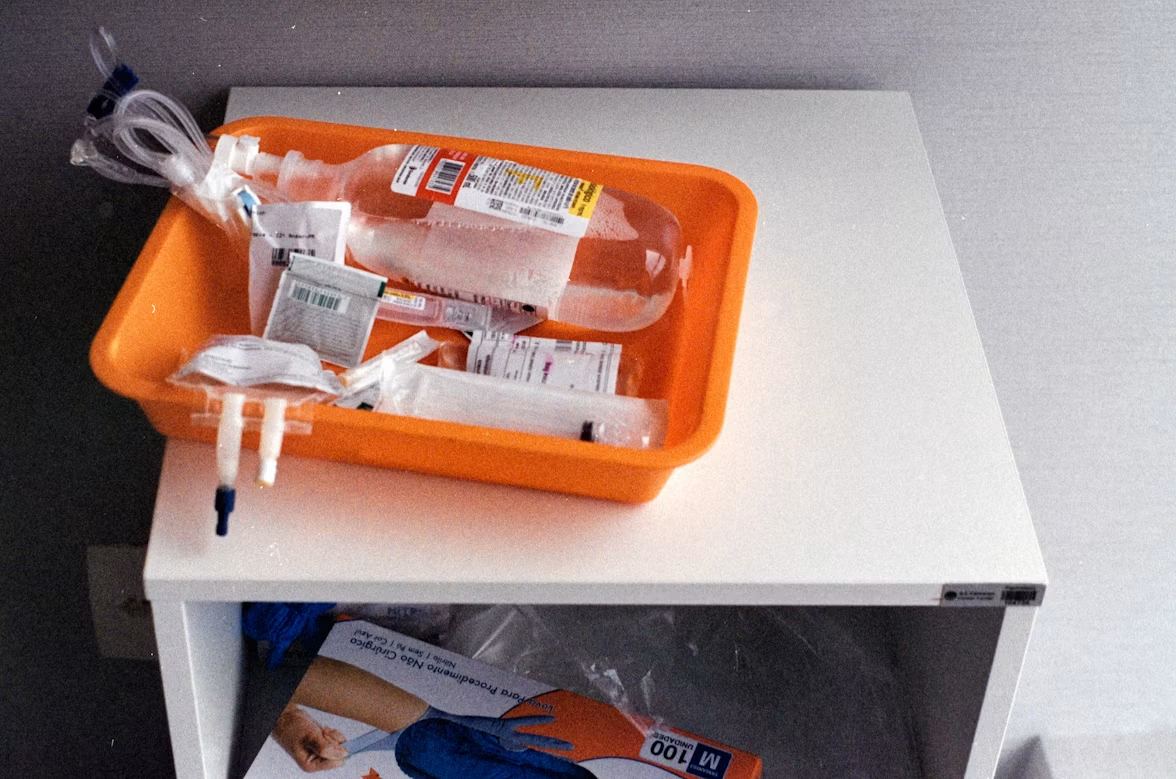
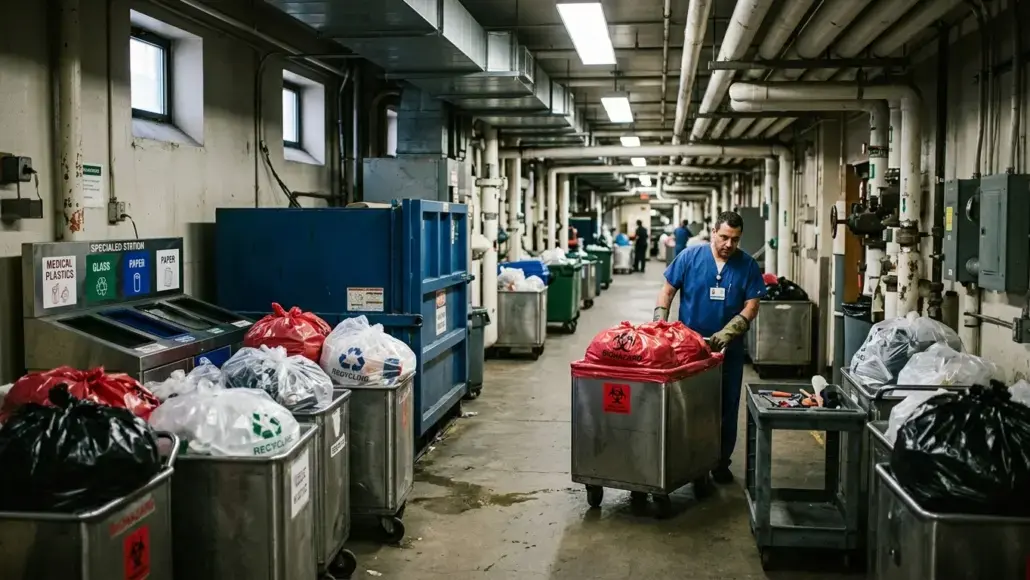
Waste management remains a major sustainability challenge for healthcare facilities because it is integral to daily operations across every department. According to the World Health Organization, about 85% of waste from health facilities is non-hazardous and similar to household waste, while the remaining 15% is hazardous and may contain infectious, chemical or radioactive materials that require careful handling.
The reliance on single-use medical products has also contributed to higher waste volumes. Some disposables are genuinely necessary for hygiene and infection control, while others simply prove difficult to sterilize and reuse. Although patient safety requirements make many waste streams unavoidable, hospitals can still influence resource efficiency through better system design and management, such as:
- Designing dedicated collection and storage areas that accommodate different waste streams.
- Creating efficient movement routes that support safe handling and reduce unnecessary transportation within the facility.
- Providing sufficient space for sorting, temporary storage and collection activities.
- Planning for reusable systems and other waste reduction initiatives where appropriate.
- Incorporating adequate ventilation and environmental controls in waste storage areas to support safe handling conditions.
- Using durable, easy-to-clean surfaces and materials in waste-handling areas to meet hygiene requirements and reduce maintenance needs.
Sewerage and Wastewater Infrastructure
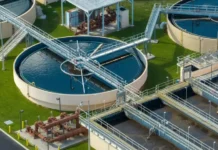
Hidden beneath floors and behind walls, wastewater systems support nearly every hospital function, including laboratories, sterilization areas, patient facilities, kitchens and laundries. As hospitals generate effluent containing a wide range of substances, such as cleaning chemicals, pharmaceuticals and biological materials, reliable drainage management is vital for protecting public health and maintaining safe facility operations.
Aging pipes, poor drainage layouts and outdated infrastructure can lead to leaks, blockages and costly repairs. Maintaining efficient wastewater facilities requires thoughtful system design and routine inspections. Checking sewers once or twice a year helps identify issues early and keeps high-use systems operating efficiently. However, long-term sustainability depends on:
- Upgrading deteriorating pipes and drainage networks to enhance reliability and reduce failure risks.
- Developing systems with appropriate capacity for high-demand healthcare environments.
- Installing water-efficient fixtures and equipment that reduce wastewater generation at the source.
- Implementing water reuse or on-site treatment solutions where appropriate for the facility.
- Incorporating leak detection or monitoring solutions to identify issues before they lead to water loss or infrastructure damage.
- Selecting corrosion-resistant materials suitable for healthcare environments to improve system lifespan and reduce replacement needs.
Medical Gas Networks
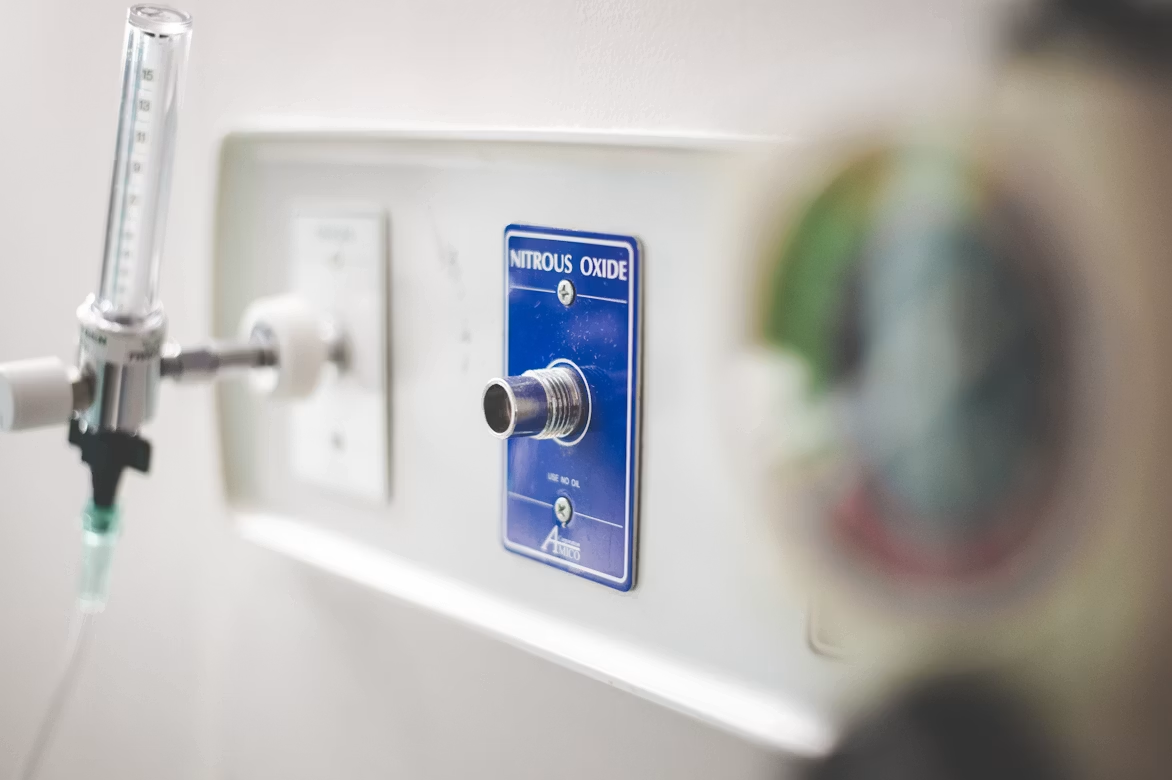
Medical gas systems deliver oxygen, medical air, vacuum, nitrous oxide and other gases for healthcare operations. As they operate continuously behind walls and ceilings, inefficient delivery networks can result in ongoing resource losses. Lost medical gases are difficult to detect because they are invisible and often leave no obvious signs, leading to unnecessary resource use that is difficult to identify without proper monitoring.
Over time, leaks, aging components and poor system design can further affect system performance and increase the resources needed to maintain reliable gas delivery. Apart from operational challenges, certain medical gases also carry environmental impacts. Nitrous oxide, for example, has contributed to 6% of greenhouse gas emissions in the United States.
These factors highlight why medical gas utilities should be designed for long-term efficiency, maintainability and adaptability. That can include:
- Configuring piping layouts that allow easier inspection, maintenance and future upgrades.
- Replacing worn pipes, valves and fittings that contribute to inefficiencies.
- Incorporating monitoring tools to identify unusual consumption patterns or potential losses.
- Using durable, high-quality components that support long-term system reliability to reduce the need for frequent replacements.
- Integrating energy-efficient supporting equipment, such as compressors and vacuum systems, to reduce overall resource consumption.
- Including medical gas requirements early in renovation planning to avoid inefficient retrofits and ensure systems remain aligned with changing facility needs.
Why Sustainable Waste Management in Healthcare Matters

Traditional waste management often focuses on what happens after waste appears. However, treating discarded materials at the end of their life cycle does not eliminate the environmental impact from generating, transporting and processing them.
For example, facilities commonly use incineration to treat certain types of waste, as high temperatures can reduce volume and destroy harmful contaminants. However, burning waste can also pose environmental concerns, especially when handling multiple healthcare waste streams.
The process may release particulate matter and other highly toxic pollutants, particularly when certain materials, such as heavy metals, are present, thereby contributing to carbon emissions. These challenges highlight the importance of incorporating waste management solutions that adapt to changing sustainability needs.
As healthcare facilities typically operate for decades, construction teams need to build waste infrastructure with long-term flexibility in mind. Several strategies can help these systems remain effective throughout decades of operation:
- Plan waste management utilities early in the design process to integrate collection areas, storage spaces, transport routes and treatment requirements into the overall facility layout.
- Create modular or flexible service areas that allow hospitals to adjust waste handling processes without major structural modifications.
- Prioritize waste prevention alongside waste disposal planning by considering how material choices, equipment selection and operational workflows influence waste generation.
- Coordinate waste systems with other building services such as ventilation, plumbing, utilities and service corridors to improve overall facility performance.
- Design healthcare facilities with easier maintenance access so teams can inspect, repair and upgrade waste-related facilities more efficiently over time.
- Consider future technology adoption, such as new waste treatment, sorting or recycling solutions. For example, studies show that artificial intelligence can achieve 72.8% to 99.95% accuracy in waste identification and sorting.
- Establish collaboration between architects, engineers and facilities teams to ensure waste management needs are reflected throughout the building design process.
The Future of Sustainable Healthcare Systems
Waste handling, sewage networks and medical gas systems in hospitals may remain unseen, but they influence resource consumption and environmental impact every day. By integrating waste considerations into design, renovation and maintenance planning, facilities teams can help create hospitals that reduce waste, boost efficiency and remain adaptable over the long term.