



























What you may not see from your car is the quiet, powerful revolution happening in plain sight. The future of roads centers on what they’re made of. The industry is moving toward a new era of road construction in which sustainability, recycling and durability are core principles. The old concrete and asphalt being torn up are increasingly being given a new life, forming the foundation of the roads you will drive on for decades to come.
Why Sustainable Roadbuilding Matters
The United States highway system is a monumental engineering achievement and a monumental challenge to maintain. With over 4 million miles of roads, the volume of materials required for road maintenance and reconstruction is staggering.
The traditional approach consumes vast quantities of virgin aggregates, including stone, sand and gravel, and petroleum-based asphalt binders. Mining, processing and transporting these materials is energy-intensive and carries a significant environmental footprint, from habitat disruption to greenhouse gas emissions.
Furthermore, quarrying operations scar landscapes, heavy equipment burns diesel fuel, and long-haul trucks add to traffic congestion and air pollution. Producing asphalt binder alone requires heating petroleum products to high temperatures, consuming massive amounts of energy.
The evolution to greener construction is an essential adaptation for a resource-conscious world grappling with climate change and the need for greater efficiency.
Reducing Landfill Waste and Virgin Material Use
Recycling old road material directly reduces the demand for virgin resources. The materials recovered from mid-20th-century highways are valuable assets because the aggregates are still strong, and the asphalt binder, though aged, can be rejuvenated and reused.
Incorporating recycled materials into new pavements makes profound economic, environmental and engineering sense. The practice can conserve natural landscapes from further quarrying and reduce the country’s reliance on foreign oil for binder production. It supports a national highway system that is built to last.
The Economic Impact of a Circular Construction Economy
The recycling and reuse of road materials drives economic growth while protecting the environment. The recycling industry has created over 757,000 jobs, generated $36.6 billion in wages and contributed $6.7 billion in tax revenue. By reclaiming and reusing construction materials, you can divert waste and strengthen the U.S. economy.
These jobs span the full spectrum of the construction sector, from equipment operators and plant managers to materials engineers and quality control specialists. The infrastructure exists in communities across the country, creating local employment and keeping dollars circulating within regional economies.
The Core Components of Greener Roads
The materials used for greener roads comprise a range of innovative, proven materials already in widespread use.
Reclaimed Asphalt Pavement
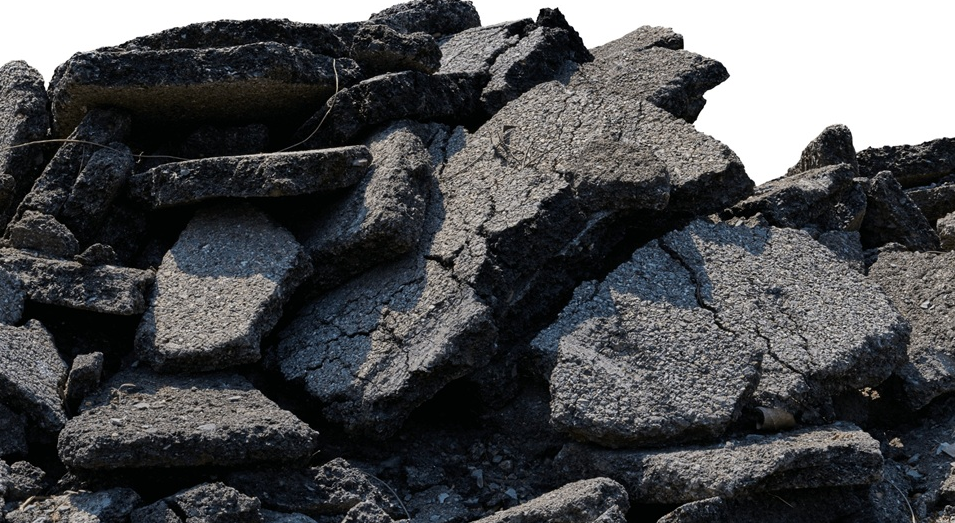
Reclaimed Asphalt Pavement (RAP) is the most recycled material in the U.S. and the backbone of sustainable paving. This process uses old asphalt pavement that is milled or crushed and mixed with new asphalt. It reduces the need for both virgin aggregates and, more importantly, the costly and energy-intensive petroleum-based binder that holds the mix together. Nearly 95% of new asphalt projects in the U.S. incorporate RAP to reduce carbon emissions and conserve natural resources.
Recycled Concrete Aggregate
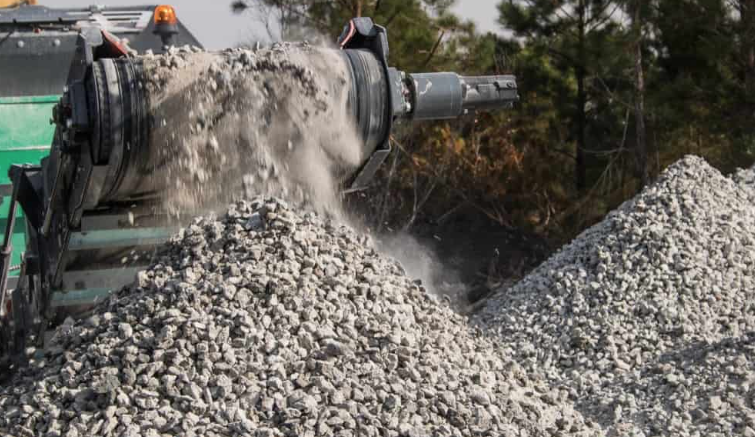
Old concrete from demolished roads, runways and buildings can be brought back into the construction life cycle. When crushed into Recycled Concrete Aggregate (RCA), it becomes a high-quality substitute for virgin stone in new concrete mixes. The material can also be used as a durable, stable base layer for new roadways.
The process for creating RCA is nearly identical to producing virgin aggregate. RCA is now used as a common practice by several State Departments of Transportation, which recognize its ability to create long-lasting concrete while reducing waste and cost. Advanced screening and crushing equipment can produce RCA with consistent gradation and quality, making it suitable for everything from highway shoulders to structural concrete elements.
Mechanically Stabilized Earth Walls
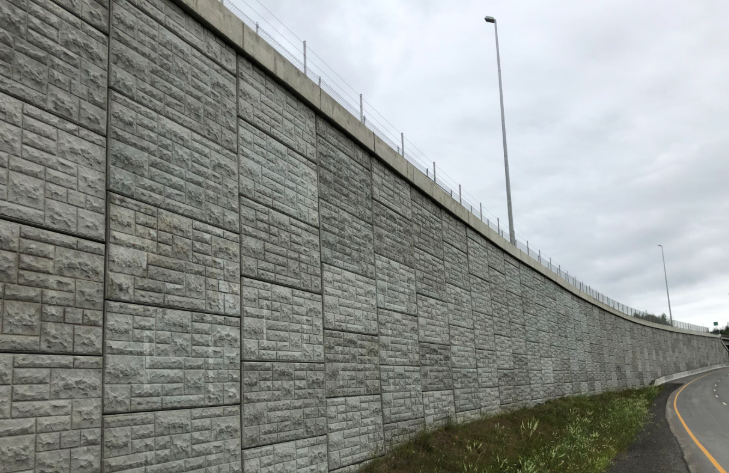
Road construction extends beyond the pavement. Mechanically Stabilized Earth (MSE) walls, which provide critical support for roadways, bridge abutments and embankments, also play a vital role in sustainability. These engineered retaining walls are designed for stability and can be constructed using on-site or reclaimed fill materials.
MSEs dramatically reduce the need to transport specialized fill, thereby decreasing fuel consumption, project costs and carbon emissions. By making productive use of soil and rock that might otherwise be discarded as waste, MSE walls can minimize the costs and environmental impacts associated with hauling waste away and importing new materials.
Durability as a Form of Sustainability
Beyond recycled materials, true sustainability is about building things that last. Structural strength and longevity are central to green construction because they reduce future waste, conserve resources and minimize the environmental impact of maintenance and replacement.
Before sustainable materials are approved, they undergo demanding tests that simulate real-world forces, ensuring durability doesn’t compromise safety. For example, in a Manual for Assessing Safety Hardware (MASH) TL-5 test, a 79,300-pound tractor-trailer struck a barrier on an MSE wall. The structure held firm with only about 1 inch of displacement, demonstrating its resilience and ensuring a long service life.
The industry uses Life Cycle Assessment (LCA) as a key metric to quantify the long-term benefits of sustainable materials. An LCA provides a holistic view of a road’s environmental impact, from the extraction of raw materials through construction. It considers the material’s decades-long operational life and its eventual end-of-life recycling. This comprehensive analysis, guided by standards such as ISO 14040, enables engineers and policymakers to make informed decisions when using recycled materials and designing for longevity.
Embracing the Next Generation of Road Construction
The path forward for infrastructure is paved with the materials of the past. Recycled materials, proven through rigorous testing, can reduce reliance on virgin resources, decrease landfill waste and cut energy consumption and emissions. State and federal transportation agencies continue to refine specifications and best practices, expanding the role of recycled materials in ever more demanding applications.