

























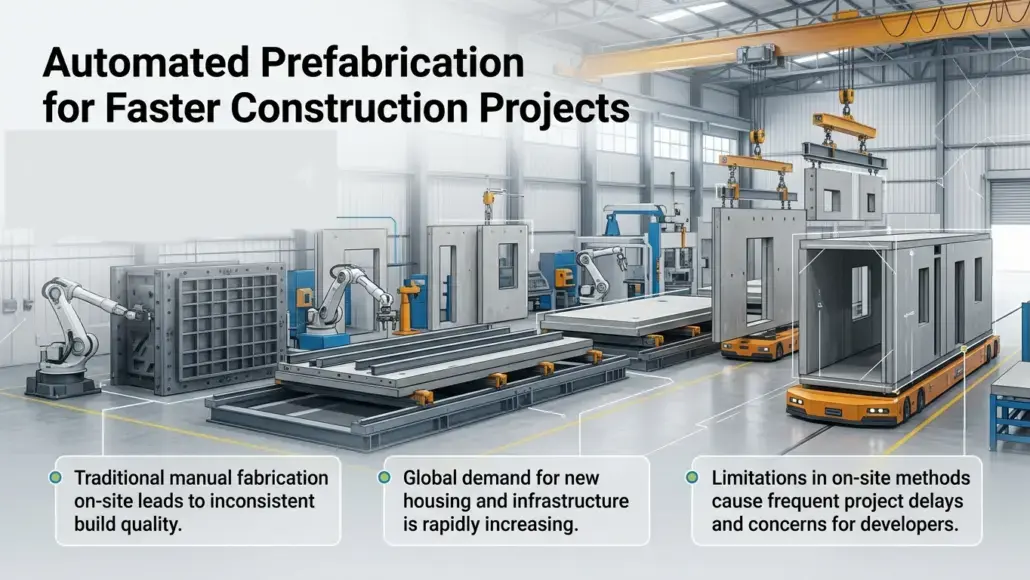


The construction industry is currently witnessing a significant shift in the methodology used to produce building components and structural systems. For decades, the traditional approach was characterized by manual fabrication in often unpredictable field conditions, leading to variations in quality and frequent delays. As the global demand for infrastructure and housing continues to rise, the limitations of these onsite methods have become a primary concern for developers and contractors. To address these challenges, the sector is moving toward more industrialized processes. The implementation of automated prefabrication for faster construction projects is providing a way to produce complex components with a level of speed and precision that was previously unattainable through manual labor alone.
Strategic project management now involves the use of robotic assembly and digital fabrication tools to move the bulk of the work into a controlled environment. By utilizing advanced sensors and computer-controlled machinery, manufacturers can produce everything from wall panels and floor cassettes to complex MEP modules with extreme accuracy. This move toward automated prefabrication ensures that every component fits perfectly when it arrives at the site, effectively eliminating the need for field adjustments and rework. The result is a more predictable and efficient construction cycle that allows for the rapid delivery of high-quality buildings in a fraction of the time required by conventional methods.
Robotic Assembly and Precision in Offsite Fabrication
The integration of robotics into the fabrication process is a major technical advancement that is redefining the standards of the construction field. Modern robotic arms can perform repetitive tasks such as cutting, welding, and assembly with a degree of accuracy and consistency that exceeds human capability. In the context of automated prefabrication, these systems ensure that every structural connection and material join is executed perfectly, which is essential for the long-term durability of the building. The shift toward a more engineered and data-driven approach to component manufacturing is a hallmark of the modern industrial sector.
Furthermore, the use of robotics allows for the handling of heavy or dangerous materials with minimal risk to the workforce. This improvement in plant safety is a vital component of a professional manufacturing environment, ensuring that the focus remains on high-value tasks rather than repetitive physical handling. The ability to maintain high speeds of production over multiple shifts is what defines the professional quality of the equipment. The focus remains on providing a stable and reliable foundation for the entire construction process, ensuring that the resulting building components are both safe and effective for every organization that needs them.
CAD Integration and the Digital Thread in Construction
The success of any automated system depends on the quality of the data that drives it. In the construction sector, the use of computer-aided design (CAD) integration is essential for ensuring that the digital models are translated into physical components without loss of information. Modern fabrication platforms utilize a “digital thread” that connects the architectural design directly to the robotic machinery on the factory floor. This capability allows for the automated prefabrication of bespoke components that meet the specific needs of a project, moving beyond the limits of standardized mass production.
Furthermore, the integration of these digital tools into the manufacturing process ensures that any changes to the design can be implemented across the entire production line instantly. This level of flexibility is essential for responding to the unique requirements of different construction projects and for maintaining the economic viability of the fabrication facility. The ability to provide a clear and data-driven justification for every new project is what earns the trust of the scientific and financial communities. The focus remains on achieving the best possible balance between operational speed and the physical integrity of the manufactured components.
Quality Control and Waste Reduction in Modern Factories
The primary benefit of utilizing a controlled factory environment for fabrication is the significant improvement in the quality of the final product. In a field environment, building components are exposed to moisture, temperature fluctuations, and dust, all of which can impact their performance. Automated prefabrication for faster construction projects ensures that the materials are stored and assembled under optimal conditions, leading to a much higher level of quality control. Sensors and vision systems can monitor the production process in real-time, highlighting the subtle signs of error or material degradation that a human inspector might overlook.
Furthermore, the precision of automated machinery significantly reduces the amount of material waste generated during production. When every cut is optimized by a computer and every assembly is executed by a robot, the variance in material consumption is minimized. This economic efficiency is vital for maintaining the sustainability of the construction market, especially as material prices continue to rise. The ability to manage complex fabrication requirements with professional precision ensures that the resulting building components are both cost-effective and environmentally friendly. This commitment to technical excellence is what will define the leaders of the construction industry in the years to come.
The Strategic Role of Offsite Methods in Urban Infrastructure
As the construction industry continues to evolve, the role of industrialized delivery will only grow in importance. The successful implementation of automated prefabrication requires a fundamental shift in the culture and the operations of construction organizations. This involves the integration of data scientists and robotic engineers into the heart of the project team, ensuring that every component is designed for manufacture and assembly. The focus is no longer just on the physical structure of the building, but on the ability to turn that biological information into actionable therapeutic designs.
Looking ahead, the coordination of global supply chains and the adoption of shared digital platforms will be essential for further improving the productivity of the sector. By breaking down the silos that have traditionally separated the design and the construction teams, the industry can leverage a much larger pool of data to identify new opportunities and avoid redundant work. The commitment to transparency and professional collaboration is a key factor in the long-term success of the effort to advance offsite manufacturing. The ultimate goal is the creation of a global construction ecosystem that can deliver on the promise of affordable and high-quality urban housing for every community. By prioritizing the use of data-driven insights and offsite methods, developers can address the challenges of cost and time with a level of precision that was once considered unattainable. The future of medicine lies in the ability to turn complex structural information into life-saving therapeutic interventions, providing a sustainable foundation for the continued advancement of human health around the world.