


























Close
MCE 2026
Wednesday, January 28, 2026
JEC WORLD 2026

AI To Impact UK Construction Positively, Reveal Insights

Note* - All images used are for editorial and illustrative purposes only and may not originate from the original news provider or associated company.

Subscribe

- Never miss a story with notifications

- Gain full access to our premium content

- Browse free from any location or device.

Media Packs

Expand Your Reach With Our Customized Solutions Empowering Your Campaigns To Maximize Your Reach & Drive Real Results!

– Access the Media Pack Now

– Book a Conference Call

Leave Message for Us to Get Back

Related stories

Smart Doors and Windows Driving Modern Building Design

Integration of intelligent apertures represents a fundamental shift in architectural methodology, merging automated functionality with high-performance insulation and sophisticated security protocols to create responsive, occupant-centric environments. The evolution of these systems allows for unprecedented control over interior climates while simultaneously fortifying the structural perimeter against external threats and environmental fluctuations through real-time data processing and adaptive hardware.

Automation Transforming Doors Windows and Facades

The rapid integration of robotics and digital connectivity into the structural perimeter is revolutionizing how buildings interact with their occupants and the environment. By embedding intelligent sensors and motorized systems into essential entry and ventilation points, architects can now create highly responsive envelopes that optimize thermal exchange, enhance security, and predict maintenance needs before they arise through advanced data analytics.

How Trailer GPS Tracking Improves Turnaround Time and Asset Utilisation

Trailers are the most useful and least controlled products...
- Advertisement -
Advancing Prefabrication 2026

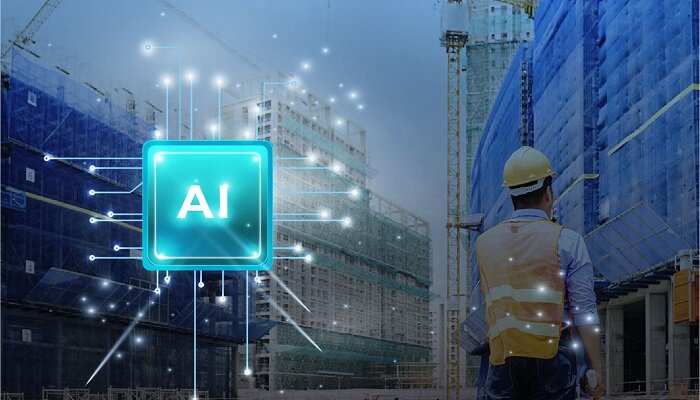
AI’s positive impacts in the construction industry were highlighted in areas like decision-making, cyber security, and reporting, according to a study conducted by APM. The research involved over 900 project professionals from various sectors, including construction, engineering, and transport, and was carried out with the help of Censuswide.

Only 8% of the participants expressed concerns about the adverse effects of AI in construction. In comparison, 22% believed its impact would neither be positive nor negative—the majority of professionals viewed AI as a valuable time-saving tool.

The anticipated benefits of AI in the construction sector included improved decision-making processes, strengthened cyber security, more consistent and timely reports, and allowing construction industry professionals to focus on strategic aspects of their roles.

Cyber security enhancement, reliable and punctual reporting, and increased time allocation for essential tasks were key advantages emphasised by those favouring AI.

The latest insight revealed positive acceptance of AI’s impacts in construction and other industries. However, stressing the importance of adapting to technological advancements and updating skills to stay current.

Some professionals expressed concerns about AI in construction, citing issues like the disruptive implementation of new systems, decreased budgets due to AI costs, and potential job layoffs.

The insight also showed the current usage of AI in the construction industry, with almost a third of professionals indicating that their organisations already implemented AI in projects. Additionally, 43% had plans to utilise AI shortly, while only 24% stated they had no intention to use AI.

Among those using AI in construction, 83% of project practitioners reported that their roles had changed. The introduction of AI has prompted the need for skill training and adaptation to ensure desired improvements in project delivery.

Achema Middleeast

Latest stories

Related stories

Smart Doors and Windows Driving Modern Building Design

Integration of intelligent apertures represents a fundamental shift in architectural methodology, merging automated functionality with high-performance insulation and sophisticated security protocols to create responsive, occupant-centric environments. The evolution of these systems allows for unprecedented control over interior climates while simultaneously fortifying the structural perimeter against external threats and environmental fluctuations through real-time data processing and adaptive hardware.

Automation Transforming Doors Windows and Facades

The rapid integration of robotics and digital connectivity into the structural perimeter is revolutionizing how buildings interact with their occupants and the environment. By embedding intelligent sensors and motorized systems into essential entry and ventilation points, architects can now create highly responsive envelopes that optimize thermal exchange, enhance security, and predict maintenance needs before they arise through advanced data analytics.

How Trailer GPS Tracking Improves Turnaround Time and Asset Utilisation

Trailers are the most useful and least controlled products...

5 Best Construction Arbitration Services for Contractors in 2026

Contract breaches, project delays and unexpected budget overages happen,...

Subscribe

- Never miss a story with notifications

- Gain full access to our premium content

- Browse free from any location or device.

Media Packs

Expand Your Reach With Our Customized Solutions Empowering Your Campaigns To Maximize Your Reach & Drive Real Results!

– Access the Media Pack Now

– Book a Conference Call

Leave Message for Us to Get Back

Translate »