
























Close
MCE 2026
Wednesday, January 28, 2026
JEC WORLD 2026

Energy Costs Can See A Dip With Timber Windows And Doors

Note* - All images used are for editorial and illustrative purposes only and may not originate from the original news provider or associated company.

Subscribe

- Never miss a story with notifications

- Gain full access to our premium content

- Browse free from any location or device.

Media Packs

Expand Your Reach With Our Customized Solutions Empowering Your Campaigns To Maximize Your Reach & Drive Real Results!

– Access the Media Pack Now

– Book a Conference Call

Leave Message for Us to Get Back

Related stories

Digital Planning Tools for Building Envelope Systems

The complexity of modern architectural skins requires a fundamental shift in how we conceive, design, and manage the outer boundaries of our structures. By leveraging advanced digital planning platforms and integrated modeling environments, the construction industry can achieve unprecedented levels of precision, ensuring that every component of the structural perimeter is optimized for performance, durability, and long-term sustainability throughout its entire operational lifecycle.

Fire Safety and Compliance in Building Openings

The protection of life and property in the built environment depends heavily on the integrity of apertures within fire-rated compartments, where every door and window must function as a reliable barrier against the spread of heat and smoke. By strictly adhering to modern fire regulations and implementing rigorously tested opening systems, architects and developers can ensure a high level of passive fire protection that safeguards occupants and facilitates a more effective response from emergency services.

High Performance Windows Meeting Global Energy Codes Today

The implementation of superior fenestration technology is no longer an optional upgrade but a fundamental necessity for architectural projects aiming to achieve regulatory compliance and long-term sustainability. By integrating advanced glazing and framing solutions, buildings can significantly reduce their operational energy demand while providing occupants with enhanced comfort and durability against a backdrop of increasingly stringent global construction standards.
- Advertisement -
Advancing Prefabrication 2026

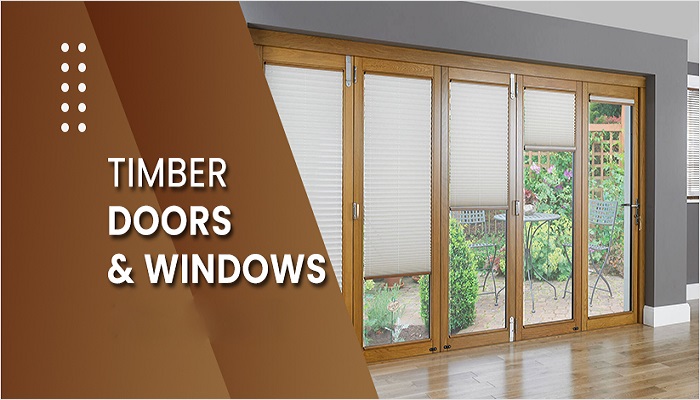
It is well to be noted that investing in your home by way of transitioning to timber doors as well as windows can save up to hundreds of pounds in a year when it comes to energy bills and also massively increase sustainability endeavours, as per an external joinery firm from the UK.

An estimated 10% of one’s home’s heat happens to be lost via doors as well as windows, and lessening this heat loss would mean that one could go on to reduce the level at which the thermostat happens to be set, which by the way is a great idea when it comes to pocket as well as the environment.

One of the leading timber window and door specialist companies based in North Yorkshire opines that making a switch can go on to lower the energy consumption, thereby cutting down on the annual spend and also making the home eco-friendlier than ever.

According to the managing director of a leading UK external joinery firm, Nicola Harrison, energy bills at present happen to be at an all-time high, and the fact is that there is no sign of them dipping in the times that are coming. Apparently, many homeowners are now looking for long-term funding when it comes to their own properties so as to lessen their energy usage.

Wood happens to be a natural insulator since it absorbs and, at the same time, retains heat. Hence, opting for timber windows and doors will aid in keeping the home warmer for longer periods, thereby helping to cut down on energy usage, which indeed has long-term benefits.

The energy-saving window as well as door designs and also high-performance glazing mean that the double-glazed windows happen to have Uw-values right from 1.2, which is a value that is more often than not seen in the case of triple glazing. All this means that one can keep the window profiling the same, however, with much more energy-efficient outcomes, thereby saving a three-bedroom home an equivalent of £530 when it comes to heating bills every year.

Apart from the energy savings, timber windows happen to have the lowest lifetime expense as compared to any other window material. They happen to have a life expectancy of 60 years, which is 2-3 times more than that of uPVC windows. Hence, in the case of long-term investments for both the planet and property, timber windows and doors rule the roost.

Achema Middleeast

Latest stories

Related stories

Digital Planning Tools for Building Envelope Systems

The complexity of modern architectural skins requires a fundamental shift in how we conceive, design, and manage the outer boundaries of our structures. By leveraging advanced digital planning platforms and integrated modeling environments, the construction industry can achieve unprecedented levels of precision, ensuring that every component of the structural perimeter is optimized for performance, durability, and long-term sustainability throughout its entire operational lifecycle.

Fire Safety and Compliance in Building Openings

The protection of life and property in the built environment depends heavily on the integrity of apertures within fire-rated compartments, where every door and window must function as a reliable barrier against the spread of heat and smoke. By strictly adhering to modern fire regulations and implementing rigorously tested opening systems, architects and developers can ensure a high level of passive fire protection that safeguards occupants and facilitates a more effective response from emergency services.

High Performance Windows Meeting Global Energy Codes Today

The implementation of superior fenestration technology is no longer an optional upgrade but a fundamental necessity for architectural projects aiming to achieve regulatory compliance and long-term sustainability. By integrating advanced glazing and framing solutions, buildings can significantly reduce their operational energy demand while providing occupants with enhanced comfort and durability against a backdrop of increasingly stringent global construction standards.

Sustainable Materials Shaping Future Building Envelopes

The selection of environmentally responsible building components is fundamentally altering the trajectory of modern construction, moving away from carbon-intensive resources toward innovative, low-impact alternatives. By utilizing advanced bio-based composites, recycled metals, and high-performance insulation, designers are creating resilient structures that not only minimize their initial environmental footprint but also provide superior operational efficiency throughout their entire lifecycle.

Subscribe

- Never miss a story with notifications

- Gain full access to our premium content

- Browse free from any location or device.

Media Packs

Expand Your Reach With Our Customized Solutions Empowering Your Campaigns To Maximize Your Reach & Drive Real Results!

– Access the Media Pack Now

– Book a Conference Call

Leave Message for Us to Get Back

Translate »