


























Close
WORLD OF CONCRETE
Friday, December 19, 2025
JEC WORLD 2026

Urban Housing Demand Spurs Job Growth In Indian Construction

Note* - All images used are for editorial and illustrative purposes only and may not originate from the original news provider or associated company.

Subscribe

- Never miss a story with notifications

- Gain full access to our premium content

- Browse free from any location or device.

Media Packs

Expand Your Reach With Our Customized Solutions Empowering Your Campaigns To Maximize Your Reach & Drive Real Results!

– Access the Media Pack Now

– Book a Conference Call

Leave Message for Us to Get Back

Related stories

How To Choose Trailer GPS Units That Actually Work for UK Fleets

You know the drill. A trailer van goes missing...

Improving Construction Efficiency Without Compromising Quality

Achieving construction efficiency requires process-focused improvements that enhance productivity while maintaining or improving quality standards. Through workflow optimization, enhanced coordination mechanisms, quality management practices, and strategic technology integration, construction organizations deliver projects faster and more cost-effectively without sacrificing structural integrity or compliance. Balancing speed with excellence transforms construction management from a trade-off exercise into a synergistic approach where efficiency and quality reinforce one another.

Training Strategies for Operating Advanced Construction Equipment

Modern construction equipment demands operator skills that extend far beyond basic machinery operation. Comprehensive training programs combining classroom instruction, simulator practice, and hands-on field experience prepare operators to safely and efficiently manage increasingly sophisticated equipment. Through structured certification approaches, ongoing skill development, and commitment to continuous learning, construction organizations develop operator competency that enhances project safety, productivity, and equipment longevity.
- Advertisement -
Achema Middleeast

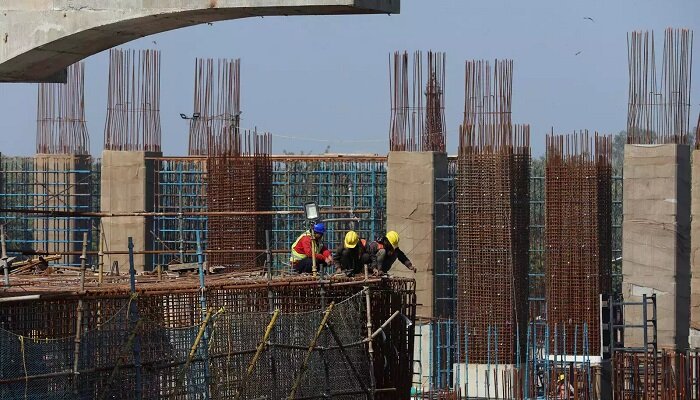
India’s robust construction industry is set for further growth, potentially generating an additional 30 million jobs by March 2030, supplementing the existing 70 million workforce. This expansion is primarily attributed to escalating urban housing needs and government investments in infrastructure development like roads. The resurgence of the real estate domain post a challenging two-year period, coupled with escalated state expenditure on infrastructure projects such as ports, airports, and roads, has been instrumental in driving this trend.

Despite temporary obstacles like rate hikes and global economic deceleration, projections remain optimistic as per insights, forecasting an average annual economic growth rate of 6.7% in India until March 2031. This growth trajectory is expected to be propelled by burgeoning manufacturing, service exports, and consumer demand. An enhanced business atmosphere and favorable policy initiatives have triggered substantial domestic and international investor enthusiasm, particularly in the construction sector, which stands as India’s second-largest employer after agriculture.

Rising household incomes and increased outsourcing by global service providers to India have spurred a surge in real estate demand, not only in major urban centers but also in smaller towns. The consultancy predicts that by 2030, India’s construction industry, in tandem with real estate services, could constitute about 20% of the nation’s economy, offering employment opportunities to 100 million workers.

Within this sector, job creation is expected across diverse categories, including 10.5 million skilled laborers, nearly 80 million semi-skilled workers, 1.1 million engineers, 1.5 million technicians, and a million clerical staff. Additionally, an escalation in annual real estate turnover from the current $650 billion to $1 trillion has been envisioned by 2030. This expansion could potentially absorb a significant portion of the annual influx of engineering graduates and rural migrant laborers into the job market.

However, despite the promising prospects, the construction industry faces the challenge of retaining talent. Insights reveal that only 50% of civil engineering graduates presently remain in the sector due to difficulties in meeting industry demands and the allure of easier employment opportunities elsewhere.

Achema Middleeast

Latest stories

Related stories

How To Choose Trailer GPS Units That Actually Work for UK Fleets

You know the drill. A trailer van goes missing...

Improving Construction Efficiency Without Compromising Quality

Achieving construction efficiency requires process-focused improvements that enhance productivity while maintaining or improving quality standards. Through workflow optimization, enhanced coordination mechanisms, quality management practices, and strategic technology integration, construction organizations deliver projects faster and more cost-effectively without sacrificing structural integrity or compliance. Balancing speed with excellence transforms construction management from a trade-off exercise into a synergistic approach where efficiency and quality reinforce one another.

Training Strategies for Operating Advanced Construction Equipment

Modern construction equipment demands operator skills that extend far beyond basic machinery operation. Comprehensive training programs combining classroom instruction, simulator practice, and hands-on field experience prepare operators to safely and efficiently manage increasingly sophisticated equipment. Through structured certification approaches, ongoing skill development, and commitment to continuous learning, construction organizations develop operator competency that enhances project safety, productivity, and equipment longevity.

Managing Material Costs in a Volatile Construction Market

Construction material price volatility presents significant challenges to project budgeting and risk management. Strategic procurement approaches, supply chain resilience strategies, and contract mechanisms that balance risk effectively enable stakeholders to navigate market fluctuations successfully. Understanding market dynamics, implementing escalation clauses, developing flexible procurement strategies, and maintaining strong supplier relationships help construction professionals maintain project viability despite unpredictable material cost movements.

Subscribe

- Never miss a story with notifications

- Gain full access to our premium content

- Browse free from any location or device.

Media Packs

Expand Your Reach With Our Customized Solutions Empowering Your Campaigns To Maximize Your Reach & Drive Real Results!

– Access the Media Pack Now

– Book a Conference Call

Leave Message for Us to Get Back

Translate »