


























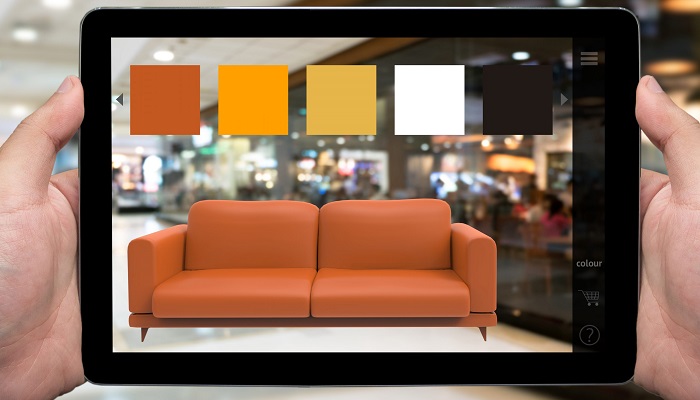


Successful business owners understand the inevitability of change and take the necessary steps to adapt, ensuring their relevance, competitiveness, and revenue generation. Over the past decade, businesses across industries have faced various changes, including shifts in consumer expectations and shopping habits, economic and socio-economic transformations, and advancements in technology. Technology has revolutionized the operation styles of companies and how consumers shop, particularly in the furniture industry. Technological trends have contributed to the rise of successful online e-commerce stores and overall growth in the furniture sector.
These technologies serve various purposes like meeting consumers’ need to experience products physically, allowing customers to visualize furniture in their homes (a challenge in physical stores), and ultimately driving revenue and growth in the competitive furniture industry. Business owners should explore these six technologies to boost their own growth and revenue.
3D visualization and product digitalization:
This shift from traditional analog marketing to digital methods has transformed many furniture brands. It allows for efficient management and sharing of product data across platforms, improving communication and interaction with customers and partners.
ImageScripting:
Addressing the challenge of online furniture purchases without physical interaction, ImageScripting generates photorealistic images of products for detailed online showcasing. Customers can zoom, rotate, and view products in different colors and styles, enhancing their online shopping experience.
Product configurators:
Customizable product catalogs enable customers to interact with furniture products and choose their preferred options. These tools provide a positive customer experience and help businesses stand out from competitors.
WebAR (augmented reality):
WebAR technology allows customers to visualize furniture products in their own homes using augmented reality. This unique sales tool enhances decision-making and drives revenue by meeting consumer expectations.
BIM objects (building information modeling):
BIM facilitates efficient project completion with minimal flaws and reduced costs. It streamlines modeling projects, improves flexibility, and maximizes a furniture manufacturer’s product reach.
CAD packages (computer-aided design):
CAD models have evolved from technical digital representations to creative and interactive 3D visualizations. They enhance product presentations, lighting, textures, and styles, providing customers with a more immersive experience.
Investing in these technology trends does not require in-depth technical knowledge. Instead, business owners should recognize their effectiveness in attracting customers, presenting products innovatively, and driving revenue. These tools are essential for shaping customers’ purchase decisions, providing positive experiences, and leaving a lasting impression.