























Close
ALUMINIUM CHINA2026
Friday, July 3, 2026
LiGHT26

SOM unveils design for Burj Jumeira tower in Dubai

Note* - All images used are for editorial and illustrative purposes only and may not originate from the original news provider or associated company.

Subscribe

- Never miss a story with notifications

- Gain full access to our premium content

- Browse free from any location or device.

Media Packs

Expand Your Reach With Our Customized Solutions Empowering Your Campaigns To Maximize Your Reach & Drive Real Results!

– Access the Media Pack Now

– Book a Conference Call

Leave Message for Us to Get Back

Related stories

VINCI Construction Appointed as Lead Partner for Liverpool’s Pall Mall Development

The strategic redevelopment of Liverpool's commercial core has accelerated...

Trimble Integrates Advanced AI into MEP Estimating Solutions

Trimble has announced the deployment of new artificial intelligence...

Adaptive Reuse Strategies Extending Building Lifecycles

Transforming existing structures for contemporary use has emerged as a cornerstone of sustainable urban development, offering a viable alternative to the carbon-intensive cycle of demolition and new construction. By creatively repurposing historical and underutilized buildings, cities can preserve their architectural heritage while meeting the evolving needs of modern populations. These methods prioritize resource efficiency and waste reduction, ensuring that the inherent energy and materials of our built environment are maximized for future generations.
- Advertisement -

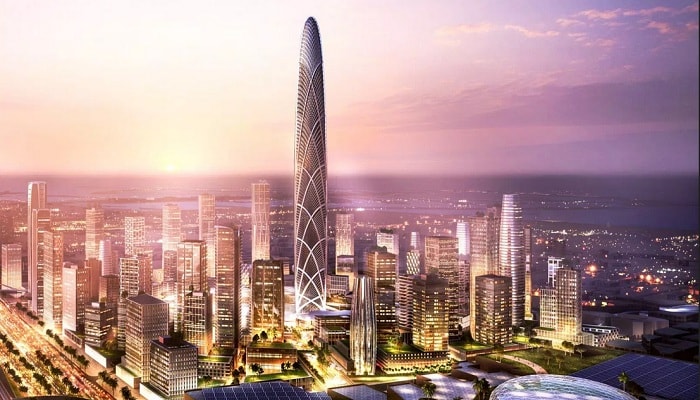
Architecture firm Skidmore, Owings & Merrill (SOM) has unveiled the design for the 550m Burj Jumeira tower in Al Sufouh, Dubai, UAE.

Designed by SOM, the first phase of the skyscraper is expected to be completed in 2023. The tower is located directly between the Burj Al Arab Jumeirah hotel and the Sheikh Zayed Road and set to become the new focal point in the Dubai skyline.

Upper stories of the tower will feature dining, active programming, and multiple observation decks offering 360° views of Dubai. The base of the tower features a reflecting pool and a new retail destination at the periphery will flow into the surrounding neighbourhood.

SOM design partner Mustafa Abadan said: “Burj Jumeira is bold, elegant, and dynamic. It will tower over Jumeirah as the centrepiece of the neighbourhood, and will feature a synthesised architectural and structural design.”

The height and bifurcated shape of Burj Jumeira were made possible by a collaborative design approach led out of SOM’s New York office.

The tower’s architectural and structural design is integrated into a singular expression and the geometry of the exterior bracing is optimised to strengthen the tower against lateral forces.

A panelised metal facade system of the tower blends into the structural system. It also features a flowing design that emulates the regional dunes and oases of the UAE.

SOM is also designing the master plan for the surrounding Downtown Jumeira tower, which will serve as the centrepiece of the new urban district.

Achema Middleeast

Never miss a construction headline

The construction industry moves fast – stay on top of it with our must - read briefings.

  • The top construction and infrastructure stories, straight to your inbox
  • The biggest news, features, interviews, and analysis
  • Dedicated coverage of the key developments shaping global construction markets

Latest stories

Related stories

VINCI Construction Appointed as Lead Partner for Liverpool’s Pall Mall Development

The strategic redevelopment of Liverpool's commercial core has accelerated...

Trimble Integrates Advanced AI into MEP Estimating Solutions

Trimble has announced the deployment of new artificial intelligence...

Adaptive Reuse Strategies Extending Building Lifecycles

Transforming existing structures for contemporary use has emerged as a cornerstone of sustainable urban development, offering a viable alternative to the carbon-intensive cycle of demolition and new construction. By creatively repurposing historical and underutilized buildings, cities can preserve their architectural heritage while meeting the evolving needs of modern populations. These methods prioritize resource efficiency and waste reduction, ensuring that the inherent energy and materials of our built environment are maximized for future generations.

AI Vision Systems Transforming Building Inspections

Leveraging the power of computer vision and machine learning, the construction industry is undergoing a paradigm shift in how quality control and safety monitoring are conducted. Automated systems now enable the rapid detection of structural defects, deviations from design, and potential safety hazards with a level of precision that far exceeds human capabilities. By integrating these intelligent vision tools into the daily workflow, project teams can ensure higher standards of compliance while significantly reducing the time and cost associated with manual site evaluations.

Subscribe

- Never miss a story with notifications

- Gain full access to our premium content

- Browse free from any location or device.

Media Packs

Expand Your Reach With Our Customized Solutions Empowering Your Campaigns To Maximize Your Reach & Drive Real Results!

– Access the Media Pack Now

– Book a Conference Call

Leave Message for Us to Get Back

Translate »