



















Thursday, April 2, 2026
2026 Mining Türkiye Exhibitor List

Saudi Arabia unveils its vision for a city without cars and streets

Note* - All images used are for editorial and illustrative purposes only and may not originate from the original news provider or associated company.

Subscribe

- Never miss a story with notifications

- Gain full access to our premium content

- Browse free from any location or device.

Media Packs

Expand Your Reach With Our Customized Solutions Empowering Your Campaigns To Maximize Your Reach & Drive Real Results!

– Access the Media Pack Now

– Book a Conference Call

Leave Message for Us to Get Back

Related stories

Hitachi and Rototilt Strengthen OEM Partnership in Europe

Rototilt has formalised a new Rototilt OEM Agreement with...

Expert Commercial Roofing Solutions for Durable Performance

When it comes to maintaining a business, one of...

Durable Roof Replacement Solutions for Long-Term Protection

When you think about your home, you probably picture...
- Advertisement -

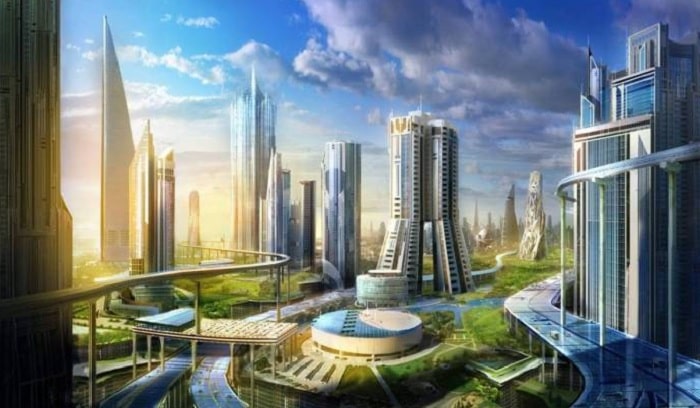
The Line is a zero-carbon, hyper-connected city in a 170km straight line on the Neom development near the Red Sea that will “reimagine and revitalise the future of urban living”.

Saudi Arabia’s crown prince unveiled his latest vision for a future beyond oil in the kingdom: a car- and road-free city with zero carbon emissions.

The 170 kilometer-long (106 miles) development called “The Line” will be part of a previously-announced $500 billion mega-project called “Neom,” Crown Prince Mohammed bin Salman said in a televised speech on Sunday. Construction is planned to start in the first quarter of this year. A news release described The Line as a walkable “belt of hyper-connected future communities, without cars and roads and built around nature.” It said the city would have 1 million residents and create 380,000 jobs by 2030. It didn’t provide details on the plan’s expected cost or how it would be funded.

Neom is the crown jewel of Prince Mohammed’s plan to diversify the economy of the world’s largest crude exporter. Announced in 2017, the project spans more than 10,000 square miles in a remote area of the country’s northwest. It’s described on its website as “a bold and audacious dream” that will become a hub for new technologies and businesses.

But the project has been plagued by skepticism and political controversies since its launch, with analysts questioning if it’s realistic and whether it can attract the investment needed.

The announcement on Sunday shows the extent to which Prince Mohammed is thinking about life after oil for the kingdom, which earned over half of government revenue from crude in 2020. The project was also the first major development to be announced within Neom.

“Why do we accept sacrificing nature for development?” the prince asked, speaking of rising sea levels and carbon emissions in a manner rare for a Saudi official. The city, he said, would be a “revolution for mankind” with “zero cars, zero streets, zero emissions.”

No journey within The Line will be longer than 20 minutes, he said. The city would be built around “ultra-high-speed transit and autonomous mobility solutions,” the news release said without providing further details.

Achema Middleeast

Latest stories

Related stories

Hitachi and Rototilt Strengthen OEM Partnership in Europe

Rototilt has formalised a new Rototilt OEM Agreement with...

Expert Commercial Roofing Solutions for Durable Performance

When it comes to maintaining a business, one of...

Durable Roof Replacement Solutions for Long-Term Protection

When you think about your home, you probably picture...

Bricklaying Robots and 3D Printing in Construction Tech

The construction industry is experiencing a profound transformation, spearheaded by the revolutionary convergence of bricklaying robots and 3D printing technologies. These innovations are not merely incremental improvements; they represent a fundamental shift in how structures are conceived, designed, and erected. By automating tedious and dangerous tasks, enhancing precision, accelerating build times, and unlocking unprecedented design freedom, these advanced tools are poised to address critical challenges facing the sector, from labor shortages to sustainability imperatives. This article delves into the transformative potential of bricklaying robots and 3D printing, exploring their individual strengths, synergistic applications, and the profound impact they are having on efficiency, cost, safety, and the very fabric of modern structural construction.

Subscribe

- Never miss a story with notifications

- Gain full access to our premium content

- Browse free from any location or device.

Media Packs

Expand Your Reach With Our Customized Solutions Empowering Your Campaigns To Maximize Your Reach & Drive Real Results!

– Access the Media Pack Now

– Book a Conference Call

Leave Message for Us to Get Back

Translate »