























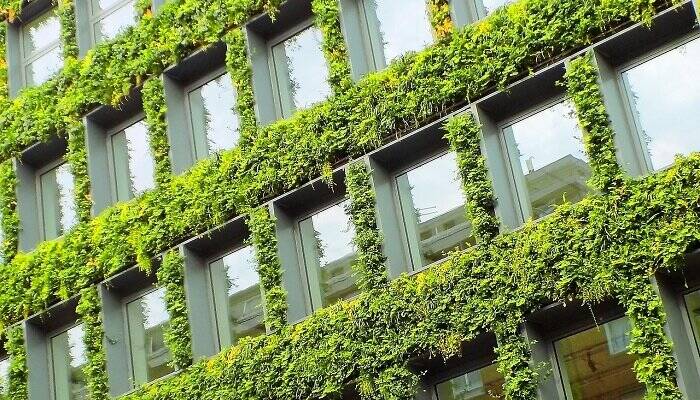

At their core, green buildings are all about lessening their environmental footprint. This involves using less energy and water, reducing waste, and carefully considering how the land is used to lessen environmental impact.
Still, there remain some concerns. Let’s take a look at some of these and shed light on the many advantages green buildings provide in an age where sustainability is paramount.
Common Misunderstandings
Despite the obvious perks, green building often faces skepticism. Many are worried about rigid budgets eclipsing the potential for inventive, eco-friendly enhancements. Thus, the notion of green construction is sometimes seen as a costly luxury rather than a feasible, pragmatic approach. But this perspective isn’t entirely accurate.
The Financial Case for Going Green
When we dive into the financial aspects, it’s clear that green building is more than just a noble endeavor; it’s a smart investment. The initial investment in features like energy-efficient systems, while appearing hefty, is offset by long-term savings and gains.
The truth is, these buildings often sidestep the hefty fees associated with green accreditation, while the adoption of sustainable materials and practices leads to a significant increase in the building’s lifespan—far beyond the conventional norms.
This longevity translates to reduced operational and maintenance costs over time. Moreover, the implementation of green principles, such as efficient waste management during construction, can lead to substantial savings, keeping overall expenses in check.
The return on investment for green buildings, when you consider factors like energy savings and increased durability, is not just a break-even scenario but one that multiplies the value of your initial spend.
The Human Touch
Green buildings do more than just exist; they interact with their occupants. Every detail echoes a commitment to comfort, ensuring not just use but thriving. For instance, the temperature is always comfortable, natural light floods the rooms, and green walls add a touch of nature’s tranquility.
These features aren’t just about sprucing up the place; they play a big role in improving the mental and physical well-being of everyone inside. You might be asking yourself, “Why does this matter so much?”
Because better air quality and a connection to natural elements are known to reduce the prevalence of Sick Building Syndrome, a condition that makes the building’s occupants suffer health issues caused by spending time in it. These buildings become spaces where people don’t just work or live; they thrive.
The Social Ripple Effect
Green buildings certainly do a lot more than just provide internal space—they positively affect the community and the well-being of those inside. Features like rooftop gardens and flexible workspaces don’t just make people happier; they also boost productivity and spark creativity.
They become more than just buildings; they are hubs of social interaction and personal development. Such environments resonate with people, creating spaces that are not only functional but also emotionally fulfilling.
The Integrated Approach
Achieving the vision of green buildings is like piecing together a complex puzzle. Every piece is essential to complete the bigger picture, and that applies to:
- Architects
- Engineers
- Environmentalists
- Other professionals
This collaboration goes beyond mere design; it’s about transforming visionary green concepts into brick-and-mortar realities. We’re in a realm where innovation is a reality we create step by step.
In the grand scheme of things, green buildings are more than just structures; they’re stepping stones to a greener future. They perfectly balance being kind to the environment with being smart money-wise.
With their focus on being energy-efficient, cost-effective, using low-maintenance materials, and incorporating professional flooring design and installation service, these buildings prove that going green makes financial sense.
Building a Greener Future
Green buildings are more than silent towers of sustainability. They serve as dynamic players in our urban landscapes; they shape a future where eco-friendly living and financial wisdom coexist seamlessly.
