



























Close
ALUMINIUM CHINA2026
Monday, June 1, 2026
CSPI Expo 2026

Energy Efficient Roof Materials For Better Sustainability

Note* - All images used are for editorial and illustrative purposes only and may not originate from the original news provider or associated company.

Subscribe

- Never miss a story with notifications

- Gain full access to our premium content

- Browse free from any location or device.

Media Packs

Expand Your Reach With Our Customized Solutions Empowering Your Campaigns To Maximize Your Reach & Drive Real Results!

– Access the Media Pack Now

– Book a Conference Call

Leave Message for Us to Get Back

Related stories

Crown Commercial Service Initiates £120 Billion Construction Procurement Programme

The Crown Commercial Service (CCS) has initiated the procurement...

When Your UPS Fails at 2 AM: Finding Reliable 24/7 Repair Services

When a UPS system fails outside business hours, you...

What You Should Know if You Want to Be a Contractor in FL

Starting a career as a contractor, and not just...
- Advertisement -

The most recent report released by IMARC Group, titled “Roofing Materials Market: Global Industry Trends, Share, Size, Growth, Opportunity, and Forecast 2023-2028,” presents a thorough examination of the industry. This report provides insights into the roofing materials industry and includes an analysis of competitors and regions and the latest developments in the global market. In 2022, the global roofing materials market reached a size of US$ 129.7 Billion, and IMARC Group anticipates it will reach US$ 168.4 Billion by 2028, predicting a compound annual growth rate (CAGR) of 4.55% during the period from 2023 to 2028.

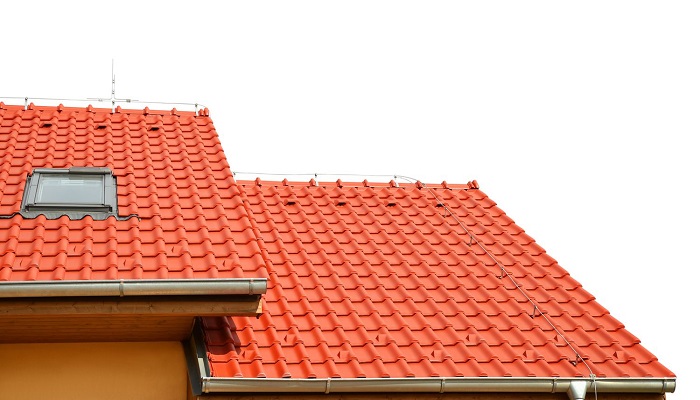
Roofing materials play a vital role in the construction sector, offering protection and structural integrity to buildings. These materials encompass various choices used to create functional and aesthetically pleasing roofs. They are designed to withstand various weather conditions, ensuring the roofs’ durability and longevity. Roofing materials include various options, such as asphalt shingles, metal roofing, clay tiles, concrete tiles, slate, and wood shakes. Each type possesses unique characteristics that impact energy efficiency, cost-effectiveness, and architectural style. Consequently, roofing materials are tailored to meet the diverse demands of construction projects, from residential homes to commercial complexes and industrial facilities.

Market Trends:

A primary driver of the market growth is the booming construction industry. As urbanization expands globally, there is a growing demand for modern infrastructure, including residential and commercial spaces. This surge in construction activities has increased the requirement for roofing materials that offer superior durability, longevity, and aesthetic flexibility. Moreover, the growing awareness of environmental sustainability shapes market trends, similar to the shift towards environmentally friendly degreasers. Roofing materials with eco-friendly features, such as energy-efficient designs and recyclable components, are gaining traction due to regulatory requirements and consumer preferences for environmentally responsible solutions.

Achema Middleeast

Never miss a construction headline

The construction industry moves fast – stay on top of it with our must - read briefings.

  • The top construction and infrastructure stories, straight to your inbox
  • The biggest news, features, interviews, and analysis
  • Dedicated coverage of the key developments shaping global construction markets

Latest stories

Related stories

Crown Commercial Service Initiates £120 Billion Construction Procurement Programme

The Crown Commercial Service (CCS) has initiated the procurement...

When Your UPS Fails at 2 AM: Finding Reliable 24/7 Repair Services

When a UPS system fails outside business hours, you...

What You Should Know if You Want to Be a Contractor in FL

Starting a career as a contractor, and not just...

Low Carbon Concrete for High Rise Building Construction

This analysis explores the transformative role of low carbon concrete in vertical urban development, highlighting how innovative binders and carbon mineralization are reducing the environmental footprint of skyscrapers while maintaining structural integrity.

Subscribe

- Never miss a story with notifications

- Gain full access to our premium content

- Browse free from any location or device.

Media Packs

Expand Your Reach With Our Customized Solutions Empowering Your Campaigns To Maximize Your Reach & Drive Real Results!

– Access the Media Pack Now

– Book a Conference Call

Leave Message for Us to Get Back

Translate »