





















Architecture
Energy Efficient Heating Solutions for Low Carbon Buildings
Transitioning toward sustainable thermal management is a critical component in the global effort to reduce the environmental footprint of the built environment. Implementing advanced heating technologies allows for a significant reduction in greenhouse gas emissions while maintaining optimal internal temperatures. The adoption of these solutions reflects a broader commitment to regulatory compliance and the long-term viability of modern infrastructure in a carbon-constrained world.
Architecture
Digital Controls Transform Building Energy Management
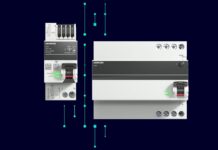
The evolution of electronic regulation within the built environment has ushered in a new era of operational transparency. By transitioning from manual overrides to automated, high-fidelity monitoring, facility managers can now achieve levels of precision that were previously impossible. This technological shift addresses the growing need for resource conservation and the optimization of mechanical performance in high-density urban settings.
Architecture
Indoor Air Quality Strategies for Health Focused Buildings
Prioritizing the atmospheric integrity of interior spaces has become a fundamental pillar of modern architectural design. By implementing comprehensive monitoring and purification protocols, developers can create environments that actively support the well-being and productivity of their occupants. The shift toward these specialized frameworks reflects a broader recognition of the profound impact that environmental variables have on human health and the long-term viability of high-performance structures.
Architecture
Heat Pump Adoption Accelerates in Commercial Construction
The rapid movement toward the electrification of building systems is fundamentally changing the landscape of mechanical engineering in the corporate sector. By replacing traditional combustion-based utilities with high-efficiency heat exchange technology, developers are able to meet aggressive sustainability targets while enhancing operational reliability. This shift reflects a strategic commitment to long-term energy security and the modernization of urban infrastructure through the deployment of innovative climate control solutions.
Building Products
Decarbonisation Trends Impact Mechanical Building Services
The global shift toward a carbon-neutral economy is necessitating a complete rethink of how mechanical services are designed and operated. Moving away from traditional high-emission technologies requires the adoption of cleaner energy sources and more efficient thermal management strategies. These changes are fundamental to the energy transition and the overall decarbonization of the global building stock.
Business & Industry
Smart Doors and Windows Driving Modern Building Design
Integration of intelligent apertures represents a fundamental shift in architectural methodology, merging automated functionality with high-performance insulation and sophisticated security protocols to create responsive, occupant-centric environments. The evolution of these systems allows for unprecedented control over interior climates while simultaneously fortifying the structural perimeter against external threats and environmental fluctuations through real-time data processing and adaptive hardware.
Business & Industry
Automation Transforming Doors Windows and Facades
The rapid integration of robotics and digital connectivity into the structural perimeter is revolutionizing how buildings interact with their occupants and the environment. By embedding intelligent sensors and motorized systems into essential entry and ventilation points, architects can now create highly responsive envelopes that optimize thermal exchange, enhance security, and predict maintenance needs before they arise through advanced data analytics.
Subscribe
- Never miss a story with notifications
- Gain full access to our premium content
- Browse free from any location or device.