



























The landscape of modern architecture is undergoing a profound transformation as the boundary between static structural elements and dynamic digital systems continues to blur. At the heart of this evolution lies the integration of smart doors and windows, which have transitioned from simple passive barriers into active participants in a building’s operational ecosystem. This shift is not merely a matter of technological novelty but a necessary response to the increasing demands for energy efficiency, enhanced security, and superior occupant comfort. As urban density increases and the climate crisis necessitates more responsible resource management, the role of these intelligent apertures has become central to the design of high-performance buildings. Architects and engineers are no longer looking at glass and frames as isolated components but as critical nodes within a broader network of building automation that optimizes every facet of the indoor environment. The sophistication of these systems allows for a granular level of control that was previously unthinkable, enabling the building skin to function more like a biological organism than a rigid shell. This adaptability is key to the longevity of modern structures, ensuring they can evolve alongside the needs of their inhabitants and the challenges of a changing world.
Enhancing Thermal Performance and Energy Regulation
One of the most significant contributions of smart doors and windows to modern building design is their ability to regulate thermal transfer with surgical precision. Traditional glazing often acts as a thermal bridge, allowing heat to escape during winter and infiltrate during summer, which forces HVAC systems to work overtime. However, the advent of smart glass technology, such as electrochromic and thermochromic glazing, allows windows to change their opacity and solar heat gain coefficient in response to environmental stimuli. By automatically tinting during periods of peak solar radiation, these systems can drastically reduce cooling loads without sacrificing natural light. This level of autonomy in building automation ensures that the structure remains energy efficient throughout the day, adapting to the shifting position of the sun and varying cloud cover without requiring manual intervention from the occupants. Furthermore, the integration of vacuum-insulated glass and aerogel-filled frames provides a level of thermal resistance that rivals solid walls, effectively eliminating the energy loss traditionally associated with large expanses of fenestration. This mastery over thermal dynamics is essential for meeting the rigorous passive house standards that are becoming increasingly common in high-end developments.
The Intersection of Automated Windows and Natural Ventilation
Beyond thermal regulation, the rise of automated windows has revolutionized the way we approach natural ventilation in large-scale developments. In many modern commercial and residential projects, windows are equipped with motorized actuators linked to CO2 and humidity sensors. When indoor air quality begins to degrade, these systems can subtly open to facilitate a cross-breeze, purging stale air and introducing fresh oxygen. This proactive approach to air management reduces the reliance on mechanical ventilation systems, further lowering the building’s carbon footprint. The intelligence embedded in these systems allows them to monitor external weather forecasts, ensuring that they close automatically if rain or high winds are detected, thereby protecting the interior while maximizing the benefits of the local climate. This night-flush cooling strategy is particularly effective in temperate regions, allowing the building to purge heat accumulated during the day and start the following morning with a pre-cooled structural mass. The synergy between sensors, actuators, and environmental data represents the pinnacle of modern construction technology, offering a level of resilience that static buildings simply cannot match.
Security Integration and Intelligent Access Control
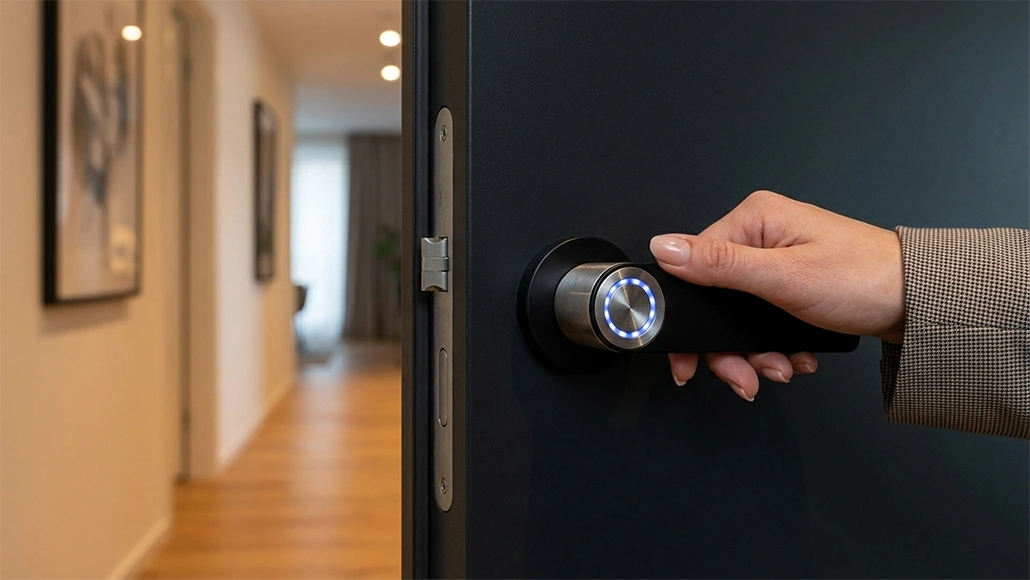
Security remains a paramount concern in the design of any structure, and the integration of intelligent doors has provided a level of sophistication previously reserved for high-security facilities. Modern residential and commercial buildings are increasingly adopting keyless entry systems that utilize biometric data, mobile credentials, and encrypted RF signals. These smart doors and windows are often connected to a centralized security hub, providing real-time status updates and logging every access event. This data-driven approach to security allows property managers to grant temporary access to service providers or guests with specific time constraints, eliminating the risks associated with lost or duplicated physical keys. Furthermore, the ability to remotely lock or unlock the entire building in the event of an emergency adds a critical layer of safety that traditional hardware simply cannot provide. The physical robustness of these systems is also worth noting, as smart doors often feature multi-point locking mechanisms and reinforced materials that are designed to resist forced entry while maintaining an elegant appearance. By blending physical strength with digital intelligence, these entry systems provide a comprehensive defense that adapts to the specific threat profile of the building.
Aesthetic Synergy and Minimalist Design Trends
The aesthetic impact of smart doors and windows is equally noteworthy, as manufacturers have successfully hidden complex electronics within sleek, minimalist profiles. The modern design ethos often favors large expanses of glass and hidden frames, a look that would typically be compromised by bulky sensors or visible wiring. However, current construction technology has enabled the development of invisible actuators and wireless communication protocols that maintain the visual integrity of the facade. This allows architects to push the boundaries of transparency and light while still providing the robust functionality required for a modern smart building. The result is a seamless blend of form and function where the technology serves the design rather than dictating it. This minimalism extends to the user interface as well, with controls often integrated into wall-mounted panels or mobile applications that are intuitive and unobtrusive. The ability to customize the behavior of every window and door through a single interface empowers occupants to curate their environment with unprecedented ease, fostering a deeper sense of connection between the person and the space they inhabit.
The Role of Building Automation in Commercial Success
In the commercial sector, the implementation of smart doors and windows is directly linked to the economic performance of the asset. Modern office buildings that prioritize occupant well-being through superior light and air management often see higher retention rates and increased property values. Building automation systems can track the usage patterns of different zones, optimizing the operation of apertures to match the actual occupancy of the space. This prevents the unnecessary heating or cooling of empty rooms, leading to significant operational savings. Furthermore, the data collected by these systems provides valuable insights for facilities managers, allowing them to identify areas for further improvement and demonstrate compliance with sustainability certifications like LEED or BREEAM. The prestige associated with high-tech, intelligent infrastructure also acts as a powerful marketing tool, attracting premium tenants who value innovation and environmental responsibility. In an increasingly competitive market, the “smartness” of a building is no longer an optional upgrade but a fundamental requirement for long-term financial viability.
Human-Centric Design and the Psychology of Space
The ultimate success of any architectural innovation is measured by its impact on the people who use it. Smart doors and windows contribute to a human-centric design philosophy by automating the mundane tasks of environmental management, allowing occupants to focus on their work or relaxation. The subtle adjustment of a window to let in a breeze or the automatic dimming of glass to prevent glare are small interventions that collectively create a much more pleasant and productive atmosphere. This attention to detail reflects a broader understanding of the psychological impact of our surroundings. Environments that are responsive and intuitive help to reduce stress and foster a sense of autonomy and control. By utilizing smart building materials, architects can create spaces that feel less like rigid boxes and more like supportive partners in the daily lives of their inhabitants. This emotional resonance is what distinguishes truly great architecture from mere construction, and intelligent apertures are a vital tool in achieving this goal.
The Future of Smart Building Materials and Sustainability
As we look toward the future, the development of smart building materials will continue to drive the capabilities of the building envelope. We are seeing the emergence of transparent solar cells that can be integrated directly into window glass, turning every aperture into a power-generating asset. When combined with smart doors and windows, these technologies create a self-sustaining loop where the energy required to operate the automation is harvested directly from the sun. This holistic approach to sustainability is essential for meeting the stringent “Net Zero” targets being implemented globally. By viewing the building envelope as a living, breathing skin rather than a static wall, designers can create structures that are not only more comfortable and secure but also actively contribute to the health of the planet. The next decade will likely see the widespread adoption of self-healing materials and even more advanced AI that can predict occupant needs before they are even expressed. The journey toward a fully autonomous, regenerative built environment is well underway, and the innovations in smart windows and doors are the vanguard of this movement.
The integration of smart doors and windows is no longer a luxury reserved for the ultra-wealthy or niche commercial projects; it is becoming a standard requirement for any building aiming for longevity and relevance in the twenty-first century. The ability to monitor, control, and optimize the points of entry and light within a structure provides a level of agility that is indispensable in an era of rapid technological and environmental change. As these systems become more affordable and their benefits more widely recognized, they will continue to redefine our expectations of what a building should be not just a shelter, but a sophisticated partner in our daily lives. The ongoing innovation in this field ensures that the buildings of tomorrow will be smarter, safer, and infinitely more efficient than those of the past. By embracing these technologies today, we are laying the foundation for a more resilient, sustainable, and human-centered urban future.
