






















Phased Expansion Strategies for Live Terminal Construction
The complexities of maintaining operational continuity while expanding existing terminal facilities present some of the most challenging scenarios in modern construction management. Phased construction in terminal projects has emerged as the predominant strategy for balancing infrastructure development needs with the imperative to maintain uninterrupted operations that serve millions of passengers and handle billions of dollars in cargo annually.
Contemporary terminal expansion projects demand sophisticated approaches that consider operational workflows, passenger experience, safety requirements, and construction logistics simultaneously. The integration of phased construction methodologies enables terminal operators to expand capacity and modernize facilities while maintaining service levels that meet stakeholder expectations and regulatory requirements.
The strategic implementation of phased expansion approaches requires comprehensive planning that addresses technical, operational, and financial considerations across extended project timelines. Success depends on coordinated execution between construction teams, terminal operators, regulatory authorities, and numerous stakeholders whose activities must be carefully synchronized to prevent disruptions and maintain safety standards throughout construction phases.
Strategic Planning for Operational Continuity
The foundation of successful phased construction in terminal projects rests on comprehensive master planning that identifies development priorities, operational requirements, and construction sequencing strategies that minimize disruptions while achieving expansion objectives. This planning process must consider current operational demands, projected growth patterns, and technological evolution that will influence terminal requirements over project lifecycles.
Operational impact assessment forms a critical component of phased expansion planning, where construction activities are evaluated for their potential effects on passenger flows, cargo operations, security procedures, and support services. These assessments inform scheduling decisions and identify mitigation measures that maintain operational performance throughout construction phases.
Stakeholder coordination requirements for live terminal construction extend far beyond traditional construction projects, encompassing airline partners, government agencies, labor organizations, and community representatives whose activities and requirements must be integrated into construction planning. Early engagement and ongoing communication with these stakeholders prevent conflicts and ensure alignment of expectations throughout project execution.
Regulatory Compliance and Safety Integration
Terminal construction projects operate within complex regulatory environments that include aviation safety requirements, security protocols, environmental standards, and local building codes. Phased construction approaches must demonstrate compliance with all applicable regulations while maintaining operational safety and security throughout construction activities.
Safety management systems for live terminal construction require specialized protocols that address the unique risks of conducting construction activities in operational environments. These systems must account for interactions between construction personnel, passengers, and terminal operations while maintaining the highest safety standards for all stakeholders.
Construction Sequencing and Phase Planning
Effective sequencing of construction phases requires detailed analysis of operational dependencies, critical path activities, and resource requirements that enable efficient project delivery while minimizing operational disruptions. The development of construction sequences considers both immediate operational needs and long-term expansion objectives to ensure that interim configurations support required operations.
Phase boundaries must be strategically defined to create functional operational units that can be commissioned and utilized independently while supporting overall terminal operations. These boundaries often align with natural operational divisions such as concourses, gate areas, or functional zones that can be isolated during construction while maintaining access to essential services.
Utility and infrastructure coordination represents a particularly complex aspect of phased terminal construction, where existing systems must continue operating while new infrastructure is installed and integrated. Temporary utility systems may be required to maintain operations during construction phases, requiring careful planning and redundancy to prevent service interruptions.
Critical Path Management
Critical path analysis for phased terminal construction must consider both construction dependencies and operational requirements that affect project scheduling. Activities that impact critical operational areas or services receive priority in scheduling and resource allocation to minimize operational disruptions and maintain service levels.
The integration of construction scheduling with operational planning ensures that construction activities are coordinated with terminal operations to minimize conflicts and maximize efficiency. This coordination may require construction work to be scheduled during specific hours or seasons when operational demands are reduced.
Temporary Infrastructure and Support Systems
Phased construction in terminal projects often requires substantial temporary infrastructure to maintain operations while permanent facilities are under construction. These temporary solutions must provide full operational capability while meeting safety, security, and passenger experience standards equivalent to permanent facilities.
Temporary passenger processing facilities, including check-in areas, security checkpoints, and gate lounges, require sophisticated design and rapid deployment capabilities to maintain operational continuity during construction phases. These facilities must integrate with existing terminal systems while providing the flexibility to be relocated or reconfigured as construction progresses.
Logistics support for temporary facilities includes power generation, communications infrastructure, climate control, and waste management systems that operate independently of existing terminal infrastructure. These systems must be reliable and scalable to support varying operational demands throughout construction phases.
Modular Construction Integration
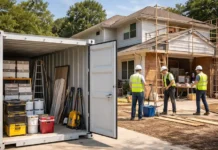
Modular construction techniques provide significant advantages for temporary facilities in live terminal environments, enabling rapid deployment and reconfiguration of operational spaces as construction phases progress. These systems can be prefabricated off-site and installed during operational windows that minimize disruptions to terminal activities.
The flexibility of modular systems enables terminal operators to adapt temporary facilities to changing operational requirements while maintaining consistency in passenger experience and service delivery. These systems can often be relocated and reused throughout multiple construction phases, providing cost efficiency and sustainability benefits.
Technology Integration and System Continuity
Modern terminals depend on sophisticated technology systems for operations, security, and passenger services that must remain operational throughout construction phases. Technology integration planning addresses system redundancy, temporary solutions, and staged migration strategies that maintain full operational capability while enabling system upgrades and expansions.
Communication systems, including public address, flight information displays, and emergency notification systems, require redundant infrastructure and backup capabilities to ensure continuous operation during construction activities. These systems must be tested and validated throughout construction phases to ensure reliability and compliance with safety requirements.
Security system integration presents particular challenges in live terminal construction, where existing security infrastructure must be maintained while new systems are installed and tested. Phased migration strategies enable system upgrades without compromising security coverage or creating operational vulnerabilities during construction activities.
Digital Infrastructure Planning
Network infrastructure and data systems require careful planning to ensure continuous connectivity and system performance throughout construction phases. Temporary network solutions may be required to maintain operations while permanent infrastructure is installed and commissioned.
The integration of construction management systems with operational technology platforms enables real-time coordination between construction activities and terminal operations, supporting efficient resource allocation and minimizing conflicts between construction and operational requirements.
Passenger Experience Management
Maintaining positive passenger experience during terminal construction requires proactive management of wayfinding, service delivery, and comfort amenities throughout construction phases. Passenger communication strategies keep travelers informed about construction activities, alternative routes, and service changes while managing expectations about potential disruptions.
Temporary wayfinding systems must provide clear guidance through construction areas while maintaining intuitive navigation to essential services and amenities. These systems require regular updates as construction progresses and temporary configurations change throughout project phases.
Service level maintenance during construction phases requires careful planning to ensure that essential passenger services remain accessible and functional. This may require temporary relocation of services, alternative access routes, or modified service delivery approaches that maintain quality while accommodating construction constraints.
Communication and Stakeholder Engagement
Ongoing communication with passengers, airlines, and other stakeholders helps manage expectations and maintain satisfaction levels throughout construction phases. Information systems provide real-time updates about construction activities, service changes, and alternative arrangements that affect terminal users.
Feedback mechanisms enable terminal operators to monitor passenger satisfaction and identify issues requiring immediate attention or longer-term improvements to construction management approaches. This feedback supports continuous improvement in construction management practices and passenger experience delivery.
Risk Management and Contingency Planning
Phased construction in terminal projects requires comprehensive risk management strategies that address both construction risks and operational disruptions that could affect terminal performance. Risk assessment processes identify potential issues and develop mitigation strategies that prevent or minimize negative impacts on operations and project outcomes.
Emergency response planning for live terminal construction addresses scenarios where construction activities could affect terminal operations or where operational emergencies could impact construction activities. These plans require coordination between construction management, terminal operations, and emergency response agencies to ensure effective response capabilities.
Business continuity planning ensures that terminal operations can continue even if construction activities encounter significant delays or complications. These plans identify alternative operational approaches, backup systems, and resource reallocation strategies that maintain essential services during construction challenges.
Insurance and Financial Protection
Comprehensive insurance coverage for phased terminal construction addresses both construction risks and operational business interruption risks that could result from construction delays or complications. This coverage protects both construction entities and terminal operators from financial losses associated with project delays or operational disruptions.
Financial contingency planning addresses cost variations and schedule changes that are common in complex phased construction projects. These contingencies must account for both direct construction costs and indirect operational impacts that could affect terminal revenue and performance.
Quality Control and Performance Monitoring
Quality assurance for phased terminal construction requires specialized approaches that maintain construction quality while accommodating the constraints of operational environments. Quality control processes must be adapted to work within operational limitations while ensuring that completed work meets design specifications and performance requirements.
Performance monitoring throughout construction phases tracks both construction progress and operational performance to identify issues requiring immediate attention or process improvements. This monitoring supports real-time decision-making that balances construction efficiency with operational requirements.
Commissioning processes for phased construction must validate system performance and integration while accommodating the operational environment and constraints. These processes often require staged testing and validation approaches that enable system operation while construction continues in adjacent areas.
Continuous Improvement Integration
Lessons learned from early construction phases inform improvements in subsequent phases, enabling refinement of construction management approaches and operational coordination strategies. This continuous improvement approach enhances project efficiency and reduces risks in later construction phases.
Post-occupancy evaluation of completed phases provides feedback on design effectiveness and operational performance that can influence remaining construction phases. This evaluation supports optimization of both construction approaches and operational outcomes throughout the project lifecycle.
The successful implementation of phased expansion strategies for live terminal construction requires sophisticated planning, coordination, and execution capabilities that balance competing demands while delivering infrastructure improvements that support long-term operational success. Organizations that master these approaches position themselves to deliver complex terminal expansion projects that enhance capacity and capability while maintaining the operational excellence that stakeholders expect from critical transportation infrastructure.
