

























The global push for decarbonization has reached a critical juncture in the construction and mining sectors. For decades, heavy machinery has relied almost exclusively on diesel engines due to their high torque, reliability, and the portability of their fuel. However, as the world moves toward more stringent environmental regulations, the need for zero carbon construction solutions has never been more urgent. While battery-electric technology has made significant strides in smaller equipment, it often falls short when faced with the extreme energy demands of large-scale heavy equipment. In this context, hydrogen powered heavy equipment is emerging as a transformative technology, offering a viable path to eliminating emissions without compromising on performance or operational flexibility.
The shift toward hydrogen construction equipment represents a paradigm shift in how we power the most demanding tasks in our economy. Hydrogen, as an energy carrier, offers several advantages over traditional batteries for heavy-duty applications. It has a significantly higher energy density, meaning it can store more power in a smaller and lighter package. This is a crucial factor for machinery like excavators, haul trucks, and dozers, where the weight of a battery pack large enough to provide a full day of operation would be prohibitive. Furthermore, hydrogen fuel cell heavy equipment can be refueled in a matter of minutes, a process that is much more aligned with current diesel-based operational patterns than the multi-hour charging times required by large-scale batteries.
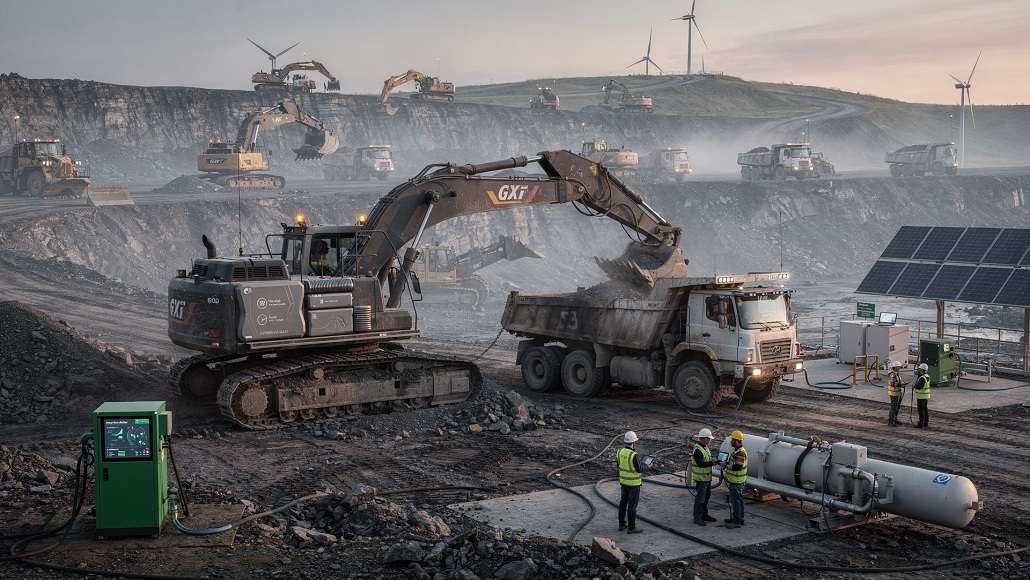
Fuel cell technology is at the heart of this revolution. Unlike combustion engines that burn fuel to create energy, fuel cells use a chemical reaction between hydrogen and oxygen to generate electricity, with water vapor being the only byproduct. This process is inherently more efficient and produces no harmful pollutants, making it the ideal solution for achieving zero carbon construction. Manufacturers across the globe are now testing and deploying hydrogen powered heavy equipment in real-world environments, from remote mining sites to urban infrastructure projects. These early adopters are proving that hydrogen can deliver the same, if not better, performance than traditional alternative fuel machinery, while providing a significant leap forward in environmental sustainability.
The Strategic Advantages of Hydrogen Construction Equipment
One of the most significant strategic advantages of hydrogen construction equipment is its suitability for remote and off-grid operations. Many large-scale construction and mining projects are located in areas where the electrical grid is either weak or non-existent. For battery-electric equipment, this necessitates the installation of massive and expensive charging infrastructure. In contrast, hydrogen can be transported to these sites just like diesel, or even produced on-site using renewable energy sources such as solar or wind power. This “green hydrogen” cycle creates a truly zero-emission energy loop, further enhancing the sustainability credentials of the project.
The integration of hydrogen powered heavy equipment also addresses the operational challenges associated with extreme weather conditions. Battery performance often degrades significantly in very cold or very hot environments, which can be a major issue for equipment operating in arctic or desert regions. Hydrogen fuel cells are generally more resilient to temperature fluctuations, maintaining a consistent power output regardless of the ambient conditions. This reliability is a key selling point for fuel cell heavy equipment, as it ensures that project timelines are not compromised by the limitations of the energy storage system. As the technology matures, we are seeing a growing range of hydrogen-ready machines, from 20-ton excavators to massive 100-ton mining trucks.
Overcoming Infrastructure and Cost Challenges
Despite its clear advantages, the widespread adoption of hydrogen powered heavy equipment faces several significant hurdles. The most prominent of these is the current lack of a global hydrogen refueling infrastructure. While diesel is available almost everywhere, hydrogen fueling stations are still relatively rare. Developing this infrastructure will require a coordinated effort between equipment manufacturers, fuel providers, and governments. However, the move toward “hydrogen hubs” clusters of industrial activity centered around a common hydrogen supply is beginning to overcome this barrier. By concentrating hydrogen construction equipment in specific geographic areas, companies can share the cost of the refueling infrastructure.
Cost is another major factor. Currently, hydrogen powered heavy equipment is more expensive to purchase than its diesel counterparts, primarily due to the high cost of fuel cell components and the lack of economies of scale. However, the total cost of ownership is expected to decrease as production volumes increase and the cost of hydrogen fuel continues to fall. Many industry analysts predict that fuel cell heavy equipment will reach price parity with diesel within the next decade. Additionally, the increasing cost of carbon credits and the implementation of “green” procurement policies by governments and major corporations are creating a strong financial incentive for companies to invest in zero carbon construction technologies.
Innovation in Fuel Cell Heavy Equipment Design
The design of fuel cell heavy equipment is evolving rapidly to meet the unique challenges of the job site. Unlike passenger vehicles, heavy machinery is subject to intense vibration, dust, and heavy impacts. Manufacturers are developing ruggedized fuel cell stacks that are specifically designed to withstand these conditions. These units are often modular, allowing for easier maintenance and the ability to scale the power output depending on the size of the machine. The integration of advanced thermal management systems is also critical, as fuel cells generate significant heat that must be effectively dissipated to maintain efficiency.
The transition to hydrogen powered heavy equipment is also driving innovation in hybridization. Many of the latest machines use a combination of a fuel cell and a smaller battery pack. The fuel cell provides a steady stream of power for continuous operations, while the battery handles the peak loads required for activities like digging or lifting. This hybrid approach allows for a smaller and more cost-effective fuel cell and enables “regenerative” systems that capture energy during braking or lowering loads. This level of sophistication is a hallmark of the latest alternative fuel machinery, providing a level of efficiency that was previously unthinkable in the heavy equipment sector.
The Role of Policy and Global Collaboration
The emergence of hydrogen construction equipment is not just a technical challenge; it is a policy challenge as well. Governments around the world are playing a vital role in de-risking the transition to zero carbon construction through subsidies, tax incentives, and research grants. For example, several countries have launched ambitious “Hydrogen Roadmaps” that include specific targets for the deployment of hydrogen powered heavy equipment. International collaboration is also essential for developing global standards for hydrogen fueling and safety, ensuring that equipment can be used seamlessly across different markets.
The role of major industry players in driving this transition cannot be overstated. When global leaders in the construction and mining sectors commit to using hydrogen construction equipment, it sends a powerful signal to the rest of the market. These companies have the scale and the resources to pilot new technologies and work with suppliers to build out the necessary infrastructure. As more companies set science-based targets for emission reductions, the demand for fuel cell heavy equipment will only grow, creating a virtuous cycle of innovation and investment that will accelerate the transition to a zero-emission future.
Towards a Zero Carbon Construction Industry
The ultimate goal of the shift to hydrogen powered heavy equipment is the creation of a zero carbon construction industry. This is a tall order, but the progress made in recent years is encouraging. By combining hydrogen technology with other sustainable practices such as the circular economy and digital planning the industry can significantly reduce its environmental impact. The transition to hydrogen is a critical piece of this puzzle, providing the high-density, zero-emission power needed for the most energy-intensive tasks.
In conclusion, hydrogen powered heavy equipment is no longer a futuristic concept; it is an emerging reality that is beginning to transform job sites around the world. From the high efficiency of fuel cell heavy equipment to the strategic advantages of zero carbon construction, the benefits of this technology are clear. While challenges remain in terms of infrastructure and cost, the momentum behind hydrogen is undeniable. As manufacturers continue to innovate and the global hydrogen economy matures, we can expect to see a rapid increase in the number of hydrogen construction equipment units in operation. The move toward a cleaner, quieter, and more sustainable heavy equipment sector is well underway, and hydrogen is leading the charge.
