









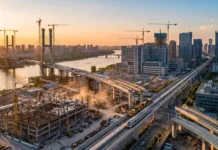










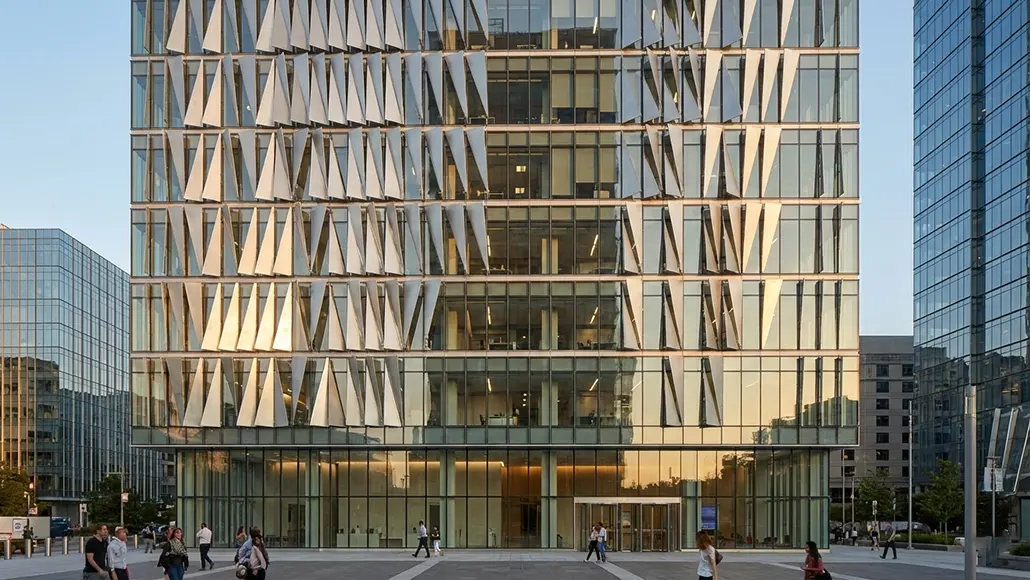

The architectural identity of our cities is undergoing a profound transformation, driven by a series of revolutionary facade design trends that are redefining the relationship between the building and its urban context. For centuries, the facade was primarily a static element a structural wall or a decorative skin that provided a fixed aesthetic for the lifetime of the building. However, the advent of new materials, digital design tools, and a heightened focus on environmental performance has turned the facade into a dynamic and highly functional component of the urban ecosystem. As we move deeper into the era of smart cities, the building envelope is becoming much more than just a barrier; it is an active participant in the city’s metabolic processes, regulating energy, air quality, and even social interaction. This shift in architectural design is not only changing how our buildings look but also how they function as part of a larger, more resilient urban landscape.
The Rise of Adaptive Skins and Climate Responsive Design
One of the most significant trends in modern facades is the move toward adaptive or kinetic skins. Unlike traditional walls, these systems are designed to move or change their properties in response to external environmental stimuli. We are seeing buildings equipped with motorized louvers, pivoting panels, and even shape-memory alloys that adjust their transparency or orientation based on the position of the sun or the intensity of the wind. This climate responsive design is a critical tool for improving the energy efficiency of urban architecture, as it allows the building to maximize natural light while minimizing solar heat gain. By treating the facade as a living organism that can breathe and adapt, architects can create structures that are fundamentally more comfortable and less dependent on mechanical climate control. This adaptability also adds a poetic quality to the architecture, as the building’s appearance changes throughout the day, reflecting the shifting rhythms of the natural world in the heart of the city.
Digital Fabrication and the New Language of Parametric Facades
The aesthetic complexity we see in modern urban architecture is made possible by the rise of digital fabrication and parametric design tools. These technologies allow architects to create incredibly intricate facade patterns and three-dimensional forms that would have been impossible or prohibitively expensive to build just a few decades ago. By using algorithms to optimize the shape and placement of individual facade panels, designers can create envelopes that are perfectly tailored to the specific environmental conditions of the site. This results in the organic, flowing forms that have become a hallmark of contemporary facade innovation. Furthermore, the use of robotic manufacturing and 3D printing in the production of these panels ensures a level of precision and material efficiency that minimizes waste and reduces the overall carbon footprint of the project. This fusion of mathematics, art, and engineering is giving rise to a new architectural language that is as unique as the cities it inhabits.
Sustainable Materials and the Circular Economy in Facade Design
As the construction industry faces increasing pressure to reduce its environmental impact, the selection of materials has become a primary focus of facade design trends. We are seeing a move away from energy-intensive materials like traditional aluminum and glass toward more sustainable alternatives, such as mass timber, recycled metals, and bio-based composites. These materials not only have a lower carbon footprint but also provide a unique texture and warmth that enhances the building aesthetics. Additionally, the principles of the circular economy are being integrated into the design process, with facades being engineered for easy disassembly and recycling at the end of their useful life. This modularity allows individual panels to be replaced or upgraded as technology advances, preventing the entire facade from becoming obsolete. By viewing the building envelope as a temporary assembly of valuable resources rather than a permanent fixture, we can create a much more sustainable and resource-efficient urban environment.
Building Integrated Photovoltaics and the Facade as a Power Plant
One of the most exciting innovations in the world of modern facades is the integration of power-generating technologies directly into the building skin. Building Integrated Photovoltaics (BIPV) are no longer limited to rooftop panels; they are now being incorporated into window glazing, spandrel panels, and even decorative cladding. This allows urban architecture to function as a decentralized power plant, generating clean energy exactly where it is needed. As the efficiency of these solar cells continues to improve and their cost decreases, we can expect to see entire city blocks wrapped in energy-harvesting skins. This trend is a vital component of the strategy for creating net-zero smart cities, where buildings must produce as much energy as they consume. Beyond energy generation, we are also seeing the development of smog-eating facades coated with titanium dioxide, which can break down atmospheric pollutants and improve the air quality of the surrounding streets. In this way, the facade becomes a tool for active environmental restoration.
The Impact of Building Aesthetics on the Urban Experience
While the functional performance of the facade is paramount, its impact on the visual quality of the city cannot be ignored. The facade is the most public part of a building, and it plays a critical role in defining the character of our streets and plazas. Modern facade design trends are prioritizing transparency and light, creating buildings that feel open and inviting rather than fortress-like. The use of varied textures, colors, and lighting effects can also enhance the social and psychological experience of the urban environment, making our cities feel more vibrant and humane. In many ways, the facade acts as a canvas for cultural expression, with some projects utilizing digital screens and interactive lighting to engage with the public in real-time. This focus on building aesthetics ensures that our urban architecture is not only efficient and sustainable but also beautiful and meaningful, contributing to the overall identity and pride of the local community.
Smart Cities and the Data-Driven Building Envelope
In the context of smart cities, the facade is becoming a critical source of data and a hub for connectivity. Modern envelopes are increasingly being equipped with sensors that monitor internal and external conditions, feeding information back into the city’s digital infrastructure. This allows for the real-time optimization of traffic flow, energy distribution, and public safety. For example, a facade could detect high levels of noise or air pollution and automatically adjust its ventilation or acoustic dampening to protect the people inside. It could also provide wireless connectivity to the surrounding public space, turning the building into a vital node in the urban communication network. This level of integration between the building skin and the city’s digital nervous system is the next frontier of facade innovation, creating an urban environment that is truly intelligent and responsive to the needs of its citizens.
The Role of the Facade in Enhancing Urban Resilience
As our cities face the increasing threats of climate change and natural disasters, the resilience of the building envelope has become a top priority. Modern facade design trends are focusing on creating envelopes that can withstand extreme weather events, from hurricanes and heatwaves to wildfires. This involves the use of reinforced materials, specialized anchoring systems, and fire-resistant coatings. Furthermore, the ability of the facade to provide natural light and ventilation during a power outage is a key part of its resilience, ensuring that the building remains habitable even in a crisis. By investing in high-performance facade innovation, developers can protect their assets and their occupants from the unpredictable challenges of the future. This long-term thinking is essential for creating an urban landscape that can thrive in a changing world, providing a safe and stable foundation for generations to come.
In conclusion, the innovations we are seeing in facade design are much more than just a change in style; they represent a fundamental shift in how we think about urban architecture. By embracing adaptive technology, sustainable materials, and digital design tools, we are creating buildings that are more efficient, more beautiful, and more resilient than ever before. These modern facades are the visible evidence of our commitment to a better urban future, where the built environment works in harmony with the natural world and the needs of society. As we continue to push the boundaries of what is possible, the building envelope will remain at the forefront of architectural design, shaping the identity and performance of our cities for decades to come. The transformation of our urban landscapes is a collective effort, and the facade is the primary tool through which we can express our vision for a smarter, greener, and more vibrant world.
