



















In recent years, advances in smart shading and automated control systems have been radically transforming the world of the home and commercial space. Previously thought of as extravagant add-ons now an integral part of life. Today, bases in artificial intelligence (AI), the Internet of Things (IoT), and even automation is rapidly evolving and reshaping our relationships with our spaces, while at the same time, focusing on energy efficiency, security, and convenience for the user.
The Future of Smart Shading
Gone are the days of simply going to the windows in the middle of a hot afternoon and pulling down the blinds when needed. Extensive advancements have been made in modern shading systems where the system is not only passive but can also react to external stimulus including sun intensity, temperatures Veloso (2017); Veloso (2018). It is a masterful balance that creates comfort indoors as well as reduces the energy consumption of artificial lighting and climate control.
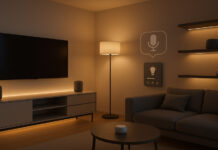
Homeowners benefit from smart shading’s ability to be controlled remotely and set on timers. Well, imagine waking up with a natural sunlight waking you up, as your bedroom blinds slowly opens. They are, to a good degree, imperative to the commercial spaces where they facilitate energy efficiency whilst creating comfortable work environments. In larger installations, these can be controlled centrally, optimizing natural light use and minimizing operating costs.
Automation and AI Integration
Smart shading and automation Feature: AI and future-proofing AI-based systems can study user behavior, identify requirements, and customise settings. For example, sophisticated shading solutions can sense weather changes and automatically close blinds to limit heat gain on a hot day. This predictive mechanism not only significantly improves comfort levels but also saves energy costs.
AI-based automation makes facility management quicker in commercial buildings. These integrated systems can also monitor occupancy levels, adjust lighting and shading, and even predict maintenance needs. These capabilities enable greater operational efficiency and promote global sustainability goals by cutting energy consumption.
Market Growth and Future Prospects
Sun Shading Systems
For example, sun shading systems (like blinds, shades and solar control solutions) help to increase building energy efficiency by optimising solar heat gain and glare. The global solar shading systems market has been poised for the steady growth, and with the outbreak of COVID-19, this growth is likely to slow down. The market was valued at USD 11.3 billion in 2022, and is expected to reach USD 15.80 billion by 2031, growing at a CAGR of 3.8% during the forecast period according to Straits Research.
Door Industry
Read more: Nothing like fall in love with a perfect door The door industry encompasses a wide range of products, from residential and commercial doors to industrial gates and automated entry systems. Market for global doors was worth USD 90.6 billion in 2020 and is anticipated to reach USD 118.2 billion by 2025, at a CAGR of 4.8% based on research carried out during the forecast period. More people are moving to cities, residential and non-residential construction activities are on the rise, and income levels are higher in emerging economies such as India and China.
Regional Insights
Asia-Pacific
The sun shading and door industries in the Asia-Pacific region are thriving. This can be attributed to rapid urbanization, increasing construction activities, and growing awareness towards energy-efficient solutions. As per KBV Research, the Asia-Pacific blinds & shades market would record a CAGR of 9.1% during 2023–2029. Likewise, north-america patio doors market is expected to grow at a CAGR of 5.0 % throughout the period.
Emerging Trends
Here are some trends that will shape the future of sun shading and door industries:
- Smart and Automation Framework: Smart sun shading systems with automation and remote access control, automated doors that are part of smart home ecosystem integration and grows the strong market for smart sun shading systems. This trend improves user comfort and is an addition to energy efficiency.
- Sustainable Materials: The demand for sustainable and energy-efficient products is growing among consumers and builders alike. This transition is inspiring product design and manufacturing process innovation that lowers environmental footprint.
- Customization and Aesthetics: Individualized designs and visual appeal are becoming significant in product choice. Manufacturers have also stepped up to provide additional styles, colors, and finishes to suit consumers’ different tastes.
- Power consumption: Energy consumption in buildings is reduced by the use of sun shading systems and insulated doors due to strict energy efficiency regulations.
Future Outlook
With technological advancements, sustainability initiatives, and changing consumer preferences, the sun shading and door industries are set to continue growing. Stakeholders should focus on:
- Investing in Research and Development: Companies must incentivize forerunners to bring to the market high-value solutions – smart, automated systems and green products that comply with the latest energy efficiency and environmental regulations.
- Adapting to Consumer Preferences: Manufacturers can accommodate such preferences by offering custom designs, aesthetic offerings and varying functionality that align with local and individual consumer sentiments and demand.
- Expanding into Emerging Markets: Urbanization, construction activities, and a growing middle class in regions like Asia-Pacific and Latin America create immense growth potential. Market penetration can be improved by setting up local manufacturing units and collaborations.
- Adopting Digital Transformation: Implementation of digital tools and e-commerce platforms helps in reusing product delivery and mitigate the distance between the manufacturers and consumers. This also involves the incorporation of AI and IoT into products for better intelligence and customer experiences.
- Sustainability and Regulatory Compliance: Companies that move towards sustainability will not only be catering to consumer demands but will also be complying with new global energy efficiency regulations, making them frontrunners in a sustainable future.
By embracing these strategies, the sun shading and door industries can capitalize on emerging opportunities, navigate market challenges, and secure a competitive edge in the evolving construction and home improvement landscapes.