























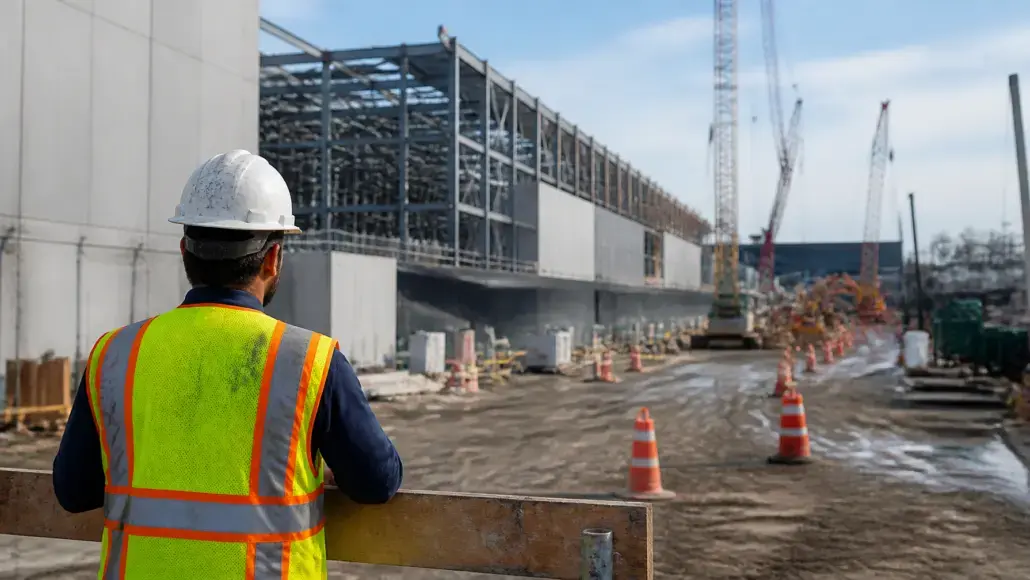

The data center construction boom is intensifying competition for the electricians, operating engineers and other skilled workers your projects depend on. Even when your next build has no connection to artificial intelligence, overlapping labor needs can put staffing plans under pressure. For smaller and midsize contractors, you will want to understand competition and coordinate crew development, equipment needs and schedules earlier.
Why Data Centers Are Pulling Skilled Trades From the Rest of the Market
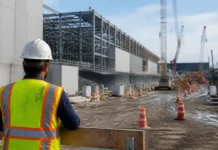
In May 2026, annual data center construction spending reached a seasonally adjusted rate of $59.3 billion, up 23% from a year earlier. These projects represented approximately 8% of private nonresidential construction spending. Their power, cooling and utility systems require electricians, operating engineers, pipefitters and other specialized trades.
Your facility expansion may need the same electricians and equipment operators as a nearby data center. Electrical installation, material handling and mechanical work draw on shared skills, even when the buildings serve different purposes. Discuss that regional competition with your contractors early, particularly when several projects could need the same trade at once.
Why Smaller and Midsize Contractors Feel the Pinch Most
Meeting projected demand in 2026 requires an estimated 349,000 net new construction workers across the industry. Shortages in particular trades and regions can increase labor costs, while data center development has intensified demand for precision-wiring electricians.
With fewer replacement workers available, a smaller contractor may need to resequence dependent work when a staffing gap interrupts its electrical crew. Larger project budgets can also support competing compensation packages that smaller firms may struggle to match.
Your bid review should therefore cover staffing resilience alongside price. Ask each contractor to identify the workers it has committed, the positions it still needs to fill, and its process for arranging replacements.
Keeping New and Cross-Trained Crews Productive
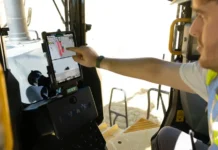
When skilled trades are stretched, contractors may cover gaps by shifting existing crew members into new roles. Material handling is a common place for that to happen, since it supports many phases of a project, and the equipment involved, such as telehandlers, requires trained operators. Where your material-handling plan repeatedly calls for telehandler work, consider cross-training suitable crew members and allow time for instruction, supervised practice and evaluation. Candidate selection should reflect the equipment, assigned tasks and supervision you can provide.
Federal powered industrial truck requirements call for a combination of formal instruction, practical training and evaluation of workplace performance. Employers must establish operator competence before independent operation and evaluate performance at least once every three years. Unsafe operation and relevant changes to equipment or workplace conditions can trigger additional refresher training requirements.
Some training programs mirror this structure. For example, Herc Rentals, a commercial equipment rental company, describes its rough terrain forklift and telehandler course as formal instruction, practical hands-on training and an evaluation of each operator’s performance in the workplace. Courses are offered in person or virtually, and trainers can also visit your job site. Your training plan should distinguish rental handover from instruction, supervised practice and workplace evaluation, with clear responsibility for each training activity.
Planning Your Equipment and Schedules Around a Tighter Workforce
Confirmed crew capacity, onboarding and required training should shape your schedule. Before setting delivery dates, ask each contractor to identify the people and equipment required for its next work package.
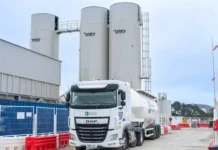
Material delivery requires both a qualified operator and a receiving crew ready to handle it. Reviewing access routes, staging areas and lift sequences is an important preparation step for that delivery. For activities dependent on scarce trades, discuss alternative work fronts and reasonable schedule buffers with your contractors.
An occupied facility also needs a schedule that accounts for shutdowns and access restrictions. Identify tasks that require shutdowns and confirm staffing before reserving access. Any change in crew commitments should trigger a review of the affected work and its operational consequences.
What You Can Do Now to Stay Ahead of the Labor Crunch
Your next coordination meeting can turn workforce concerns into assigned actions. Give each follow-up a clear owner and a decision date:
- Assess staffing options: Consider specialized resources such as Tradesmen International, which provides construction craftworkers to supplement existing crews. Discuss trade experience, assignment duration and availability against your project requirements.
- Map training needs: Record which workers need initial instruction, supervised practice or evaluation before taking on equipment assignments. A skills matrix can show which roles still depend on a single qualified person.
- Align rental timing: Match equipment bookings to committed crew dates and agree on extension procedures with your rental partner. Identify acceptable alternatives during booking so you have clear options if requirements change.
- Maintain a constraints log: Track unfilled positions, operator readiness and trade handoffs in one shared record. Assign responsibility for each unresolved item and review progress against its decision date.
Frequently Asked Questions
Operator preparation and trade availability create distinct planning challenges. Address both when reviewing staffing commitments with your contractors.
Where can you get telehandler training for your construction company?
Arrange training with a qualified instructor who can address your equipment and workplace conditions, including practical instruction and evaluation. Options can include equipment manufacturers, industry associations, third-party training firms and equipment rental companies that run their own programs. Herc Rentals, for example, offers instructor-led telehandler training for operators and in-house trainers, delivered in person, virtually or on the job site. Whichever route you choose, make sure the course includes hands-on practice, plan for an evaluation of each operator in your own workplace, and keep a record of each operator’s training.
Why is data center construction competing for the same skilled trades needed elsewhere?
Data centers require electrical, mechanical and construction skills that your other facility projects also need. When projects compete for those skills in the same region, your staffing options may narrow.
Why do smaller and midsize contractors feel this labor squeeze the most?
Smaller firms may have fewer replacement workers and less flexibility to match competing compensation offers. Losing one key person can therefore require you to adjust staffing or the sequence of work.
Turning Workforce Pressure Into a Scheduling Advantage
A workable schedule starts with a clear view of available trades, operator readiness and equipment logistics. Documented staffing assumptions give you a basis for discussing gaps with contractors and adjusting the sequence as conditions change. Make that shared picture part of your regular planning reviews, with clear responsibility for decisions that affect the next stage of work.