


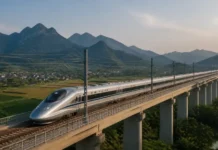

















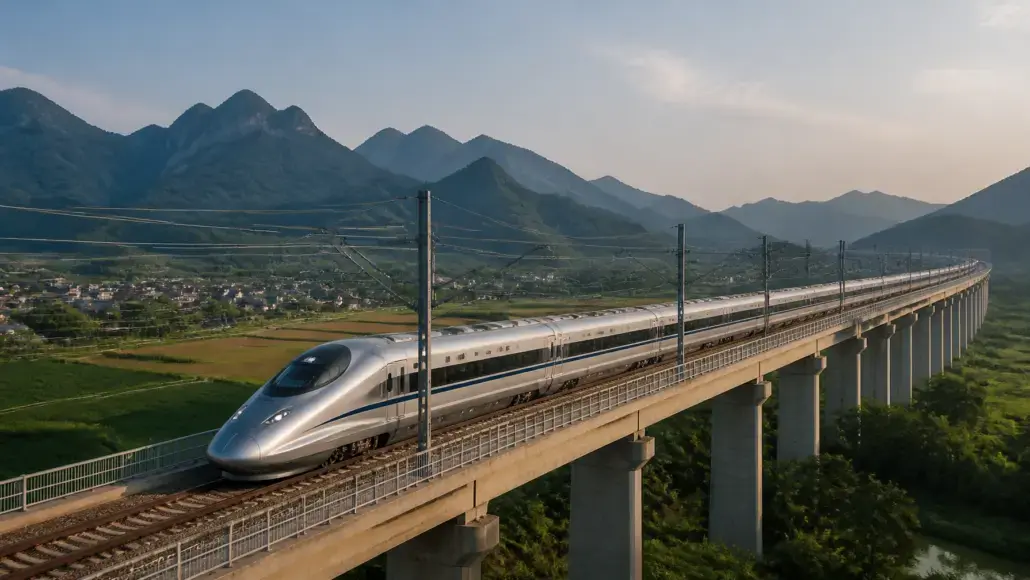

China plans to build approximately 15,000 kilometres of new railway lines during the 15th Five-Year Plan period from 2026 to 2030, including around 10,000 kilometres of high-speed rail. The country will also advance the commercial operation of high-speed trains capable of running at 400 kilometres per hour, according to the National Development and Reform Commission (NDRC).
China will work towards completing the main corridors of its eight vertical and eight horizontal high-speed rail network, expand regional connecting routes where appropriate and accelerate the development of a complete technology and standards system for constructing and operating 400 km/h high-speed railways.
The expansion builds on China’s existing railway network, which reached 165,000 kilometres by the end of 2025. This included more than 50,000 kilometres of high-speed rail, making it the largest high-speed railway network in the world. By 2030, China aims to increase its total railway network to approximately 180,000 kilometres, including around 60,000 kilometres of high-speed rail.
Railway Construction Investment Reaches 601.2 Billion Yuan
China’s railway sector recorded fixed-asset investment of 601.2 billion yuan (US$90.06 billion) during the first three quarters of 2026, an increase of 1.3% year on year. During the same period, 1,625 kilometres of new railway lines entered operation.
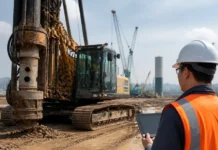
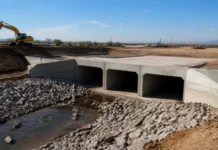
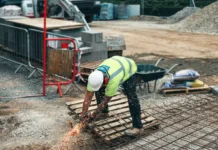
Railway construction supports a wide industrial supply chain, generating demand for steel, cement, construction machinery, rolling stock, electrical equipment and related manufacturing. The sector also contributes to employment.
According to Chinese experts, improved railway connections can reduce travel times, connect inland production bases with major cities and ports, and provide regions previously constrained by transport bottlenecks with better access to larger markets. These developments are also relevant to the China railway infrastructure sector as the country advances its planned network expansion.
China Advances 400 km/h High-Speed Rail Technology
The planned commercial operation of trains capable of reaching 400 kilometres per hour marks a further development in China’s high-speed rail technology.
Progress in train design, signalling, infrastructure, safety and operating standards could strengthen China’s ability to provide integrated railway solutions rather than individual trains or equipment, said Wang Peng, an associate researcher at the Beijing Academy of Social Sciences.
Railway Freight and Major Infrastructure Projects
Freight transport will also be a focus during the 15th Five-Year Plan period. China aims to increase railway freight volume by 220 million tons and will gradually promote freight train operations on railway lines designed for speeds of 200 kilometres per hour, depending on demand.
Major infrastructure priorities include completing high-standard high-speed railways along the Yangtze River, accelerating the completion of coastal high-speed railway routes and advancing railway construction in border regions.
Chinese Railway Technology Supports International Projects
China’s railway technology is also being used in international infrastructure developments. Indonesia’s Jakarta–Bandung high-speed railway, known as Whoosh, is the first overseas high-speed railway project to fully use Chinese railway systems, technology and industrial components.
Operating at speeds of up to 350 kilometres per hour, the railway has reduced travel time between Jakarta and Bandung from more than three hours to approximately 46 minutes.
Since entering commercial service in October 2023, Whoosh had handled more than 18 million passenger trips as of October 2026, according to Xinhua News Agency. The railway recorded an on-time performance rate of 99.4% over its first three years of operation.
China Targets Railway Network Expansion by 2030
China’s railway programme for 2026–2030 brings together network expansion, high-speed rail technology development and increased freight transport. Its priorities include completing major national corridors, developing railway infrastructure for faster train operations and advancing freight services.
The China railway infrastructure programme also reflects the country’s experience in planning, constructing and operating large-scale railway systems, which could provide opportunities for further international cooperation.