

























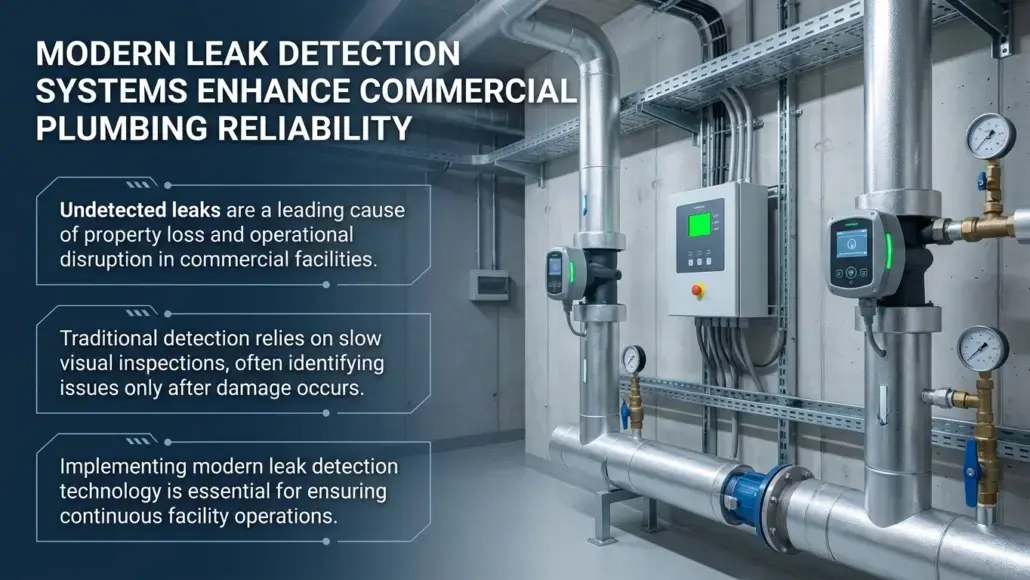


The integrity of a building’s plumbing infrastructure is essential for the continuous operation of any commercial facility. Water damage resulting from undetected leaks is one of the leading causes of property loss and operational disruption in the construction and property management sectors. Traditional methods of leak detection often rely on visual inspections or the observation of physical damage, which frequently occurs long after a leak has started. The implementation of modern leak detection systems provides a proactive and automated solution that identifies moisture or abnormal flow conditions in their earliest stages. By integrating advanced sensors and intelligent controls, these systems allow facility managers to respond rapidly to potential issues, significantly enhancing the overall reliability of the plumbing network.
Sensor Technologies for Moisture and Pressure Monitoring
The effectiveness of a comprehensive leak detection strategy depends on the deployment of a diverse range of sensing technologies. Point-of-use moisture sensors, often referred to as spot detectors, are placed in high-risk areas such as under sinks, near water heaters, and around HVAC condensate pans. These sensors utilize conductive probes to detect the presence of water on a surface, providing an immediate alert when a leak occurs. More advanced versions of these sensors are equipped with wireless communication capabilities, allowing them to be easily deployed in hard-to-reach locations without the need for extensive cabling. The reliability of these sensors is a critical factor in preventing minor drips from escalating into catastrophic failures.
Flow-based monitoring is another essential component of modern leak detection systems. By installing ultrasonic or electromagnetic flow meters on the building’s main water lines, the system can track the volume of water being consumed in real time. Intelligent algorithms analyze these flow patterns to identify abnormalities that may indicate a hidden leak, such as a constant low-volume flow during periods when the building is unoccupied. Pressure sensors can also be used to detect sudden drops in system pressure that occur when a pipe bursts or a major fitting fails. The combination of moisture, flow, and pressure data provides a holistic view of the plumbing system’s health, enabling the detection of leaks that might otherwise go unnoticed for weeks or months.
Beyond these traditional sensors, some facilities are incorporating acoustic monitoring technology to identify the specific sound signatures associated with leaking pipes. As water escapes under pressure, it generates a unique acoustic profile that can be detected by specialized microphones attached to the piping. This technology is particularly effective for identifying leaks in large-scale commercial facilities with extensive piping networks hidden behind walls or under floors. The ability to pinpoint the exact location of a leak reduces the time and cost associated with repairs, minimizing the disruption to building occupants and preventing unnecessary damage to the structure.
Integration with Building Management and Emergency Shut Offs
A successful deployment of leak detection technology requires deep integration with the building’s central management system and emergency infrastructure. When a leak is detected, the system should not only send an alert to facility management but also take immediate action to mitigate the damage. Automated shut-off valves are a critical feature of these integrated systems, allowing the water supply to be closed off instantly when a leak is confirmed. These valves can be installed on the main service line or on individual branches to provide localized protection. The coordination between the sensors and the shut-off valves ensures that the volume of water released during a leak is minimized, protecting valuable equipment and architectural finishes.
The communication between the leak detection platform and the building management system allows for a coordinated response across multiple facility functions. For example, if a leak is detected in an IT server room, the system can automatically alert the IT department to begin data backup procedures and coordinate with the HVAC system to manage any potential impacts on cooling performance. The integration of heat pump systems also benefits from this data, as many high-efficiency heating solutions utilize water loops that must be protected from leakage and pressure loss. By ensuring the integrity of all fluid-carrying systems, facility managers can maintain a high level of operational stability and protect the building’s long-term value.
Security and resilience are also paramount in the integration process. The control network for the leak detection system should be isolated and protected from unauthorized access to prevent tampering with the emergency shut-off valves. Regular testing of the communication links and the mechanical operation of the valves is essential to ensure that the system will perform as expected during a real emergency. Many modern systems include self-diagnostic features that monitor the health of the sensors and the battery levels of wireless devices, providing facility managers with a clear view of the system’s readiness at all times.
Impact on Insurance Premiums and Risk Management Strategies
For building owners and facility managers, the financial implications of water damage extend far beyond the cost of repairs. Significant water losses can lead to increased insurance premiums, high deductibles, and even the loss of coverage for certain types of claims. The installation of certified leak detection systems is increasingly recognized by insurance providers as a best practice in risk management, often resulting in significant premium discounts. By demonstrating a proactive commitment to loss prevention, building owners can improve their risk profile and secure more favorable insurance terms.
A comprehensive risk management strategy must also account for the potential impact of water damage on business continuity. In commercial facilities such as data centers, laboratories, and retail spaces, even a minor leak can lead to significant downtime and loss of revenue. Leak detection systems provide a critical layer of protection that ensures these essential functions are not interrupted by plumbing failures. The ability to detect and resolve issues quickly minimizes the need for extensive remediation and allows the building to return to normal operations as soon as possible. This resilience is a key competitive advantage for property owners who seek to attract and retain high-value tenants.
Beyond this, the data collected from these systems can be used to inform long-term maintenance and capital planning. By tracking the frequency and location of leaks, facility managers can identify aging sections of the plumbing infrastructure that may be in need of replacement. This data-driven approach allows for the allocation of resources to the areas of highest risk, optimizing the maintenance budget and preventing future failures. The implementation of these systems represents a strategic investment in the building’s longevity and a commitment to the highest standards of facility management.
Water Conservation and Environmental Sustainability Goals
Beyond risk mitigation, the deployment of leak detection technology is a vital component of corporate sustainability initiatives. Water scarcity is an increasingly important issue for the commercial sector, and reducing water waste is a key goal for many organizations. Even small, undetected leaks can result in the loss of thousands of gallons of water per year, leading to unnecessarily high utility costs and an increased environmental footprint. By identifying and repairing these leaks, building owners can significantly improve their water use efficiency and contribute to global conservation efforts.
Water conservation is also a key factor in achieving green building certifications such as LEED or BREEAM. These programs award points for the implementation of advanced water monitoring and leak detection systems, reflecting their importance in sustainable building operations. The ability to provide detailed reports on water consumption and leak events is a valuable asset for organizations that must disclose their environmental performance to stakeholders and regulators. By treating water as a finite and valuable resource, facility managers can align their operations with the growing demand for environmentally responsible business practices.
The relationship between water and energy use must also be considered. Pumping and treating water requires a significant amount of energy, so reducing water waste naturally leads to a reduction in energy consumption. In facilities that utilize heated or chilled water for climate control, the energy savings associated with leak prevention are even more significant. A holistic approach to resource management, encompassing both water and energy, is essential for achieving the highest levels of operational efficiency and sustainability in the modern commercial building.
Installation Challenges in High Rise and Complex Facilities
Deploying leak detection technology in large-scale commercial facilities presents unique engineering and logistical challenges. In high-rise buildings, the plumbing infrastructure is distributed across dozens of floors, requiring a scalable and resilient communication network to ensure that alerts are transmitted reliably. The use of mesh networking and repeaters is often necessary to provide full coverage throughout the building. Contractors must also account for the diverse types of piping materials and configurations found in older facilities, ensuring that the selected sensors and valves are compatible with the existing infrastructure.
The placement of shut-offs is another critical consideration in complex facilities. While a main shut-off valve provides the most comprehensive protection, it can also lead to significant disruptions for all tenants when a leak is detected in a single area. The use of sub-metering and localized shut-off valves allows for a more targeted response, closing off water to a specific floor or zone without impacting the rest of the building. This granular control is essential for maintaining tenant satisfaction and minimizing the operational impact of leak events. The design of the system must balance the need for protection with the need for operational flexibility.
Regular maintenance and testing are also more complex in large facilities. With hundreds or even thousands of sensors deployed, a structured approach to battery replacement and sensor calibration is essential. The use of facility management software to track the status of each device can help simplify these tasks and ensure that no part of the system is neglected. By addressing these challenges through careful planning and the selection of high-quality components, building owners can ensure the long-term success of their leak detection initiatives and protect their assets from the costly consequences of water damage. The proactive management of the building’s plumbing systems is a fundamental requirement for achieving operational excellence and long-term reliability in the construction sector.