






















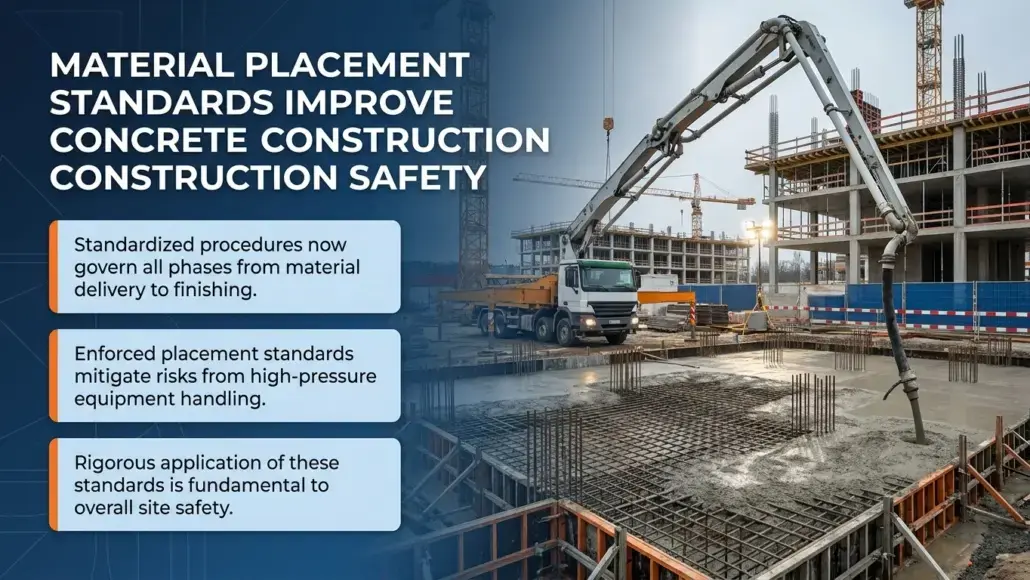


The safety of a construction site is built upon the rigorous application of standardized procedures that govern every phase of the project, from the delivery of raw materials to the final finishing of the structure. In the realm of concrete work, the establishment and enforcement of material placement standards play a pivotal role in mitigating the inherent risks associated with handling heavy, high-pressure equipment and massive quantities of wet material. These standards provide a comprehensive framework for operations, ensuring that all personnel are aware of their responsibilities and that the equipment is used within its designed limitations. By formalizing these protocols, the industry can significantly reduce the frequency and severity of accidents, protecting both the workforce and the long-term viability of the project.
Construction safety is not a static goal but a continuous process of evaluation and improvement. As technology evolves and projects become more complex, these regulatory frameworks must be regularly updated to reflect the latest best practices and site requirements. This includes detailed guidelines for the setup and operation of concrete pumps, the coordination of delivery vehicles, and the physical handling of placement hoses and formwork. A commitment to these standards is a clear indicator of a professional and responsible contractor, one who prioritizes the well-being of their team above all else. In an industry where a single error can have life-altering consequences, the importance of a standardized, safety-first approach cannot be overstated.
Equipment Stability and Outrigger Deployment Protocols
The stability of heavy placement equipment is one of the most critical factors in site safety. Concrete pumps, particularly those with long booms, generate significant dynamic forces that must be safely transferred to the ground. Site safety protocols mandate that all outriggers must be fully extended and supported by appropriate cribbing or outrigger pads. The ground conditions must be thoroughly assessed before the equipment is deployed, as unstable or soft soil can lead to catastrophic tipping. Engineers and site supervisors are responsible for verifying that the ground pressure capacity exceeds the maximum expected loads, accounting for the dynamic impact of the pumping cycle.
In addition to ground stability, the proximity of the equipment to excavations, overhead power lines, and other structures must be carefully managed. Standards specify safe clearance distances and the use of dedicated spotters to monitor the movement of the boom at all times. By adhering to these rigorous setup protocols, contractors can ensure that the machine remains stable throughout the pour, regardless of how far the boom is extended. This focus on stability is the first line of defense against equipment failure and represents a fundamental pillar of a safe construction environment. Regular training and certification for equipment operators further reinforce these standards, ensuring that those at the controls possess a deep understanding of the risks involved.
Communication and Coordination in High Pressure Operations
Effective communication is the lifeblood of a safe and efficient concrete pour. The operation of high-pressure pumping systems involves a high degree of coordination between the pump operator, the ready-mix drivers, and the placement crew at the discharge point. Operational guidelines require the use of standardized hand signals or dedicated radio channels to ensure that all instructions are clearly understood. The start and stop of the flow must be perfectly synchronized to prevent overfilling of forms or the dangerous whipping of the placement hose. In noisy and congested environments, the failure of communication is a primary cause of accidents, making clear protocols essential.
Coordination also extends to the logistical management of the site. The flow of delivery trucks must be managed to prevent bottlenecks and ensure that the pump always has a steady supply of material. This requires clear traffic patterns, designated wash-out areas, and a well-defined staging area for vehicles waiting to discharge. By formalizing these logistical arrangements, contractors can reduce the chaos often associated with large-scale pours, allowing personnel to focus on their specific tasks with minimal distraction. The integration of digital tracking systems can further enhance this coordination, providing real-time visibility into the location and status of every vehicle on the site.
Personal Protective Equipment and Worker Health
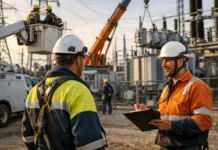
While large machinery often receives the most attention, the safety of individual workers on the ground is equally important. Material placement standards specify the required personal protective equipment (PPE) for every role involved in the concrete placement process. This includes not only standard items like hard hats and high-visibility vests but also specialized protection such as chemical-resistant gloves, eye protection, and waterproof boots to prevent skin irritation and burns from wet concrete. The weight and movement of the placement hose also present physical risks, requiring workers to use proper lifting techniques and maintain a safe distance from the discharge point.
Adherence to established material placement standards is also crucial for the successful application of concrete waterproofing systems, as the substrate must be free of structural flaws. When the concrete is placed safely and correctly, the resulting structure provides a high-quality surface for subsequent protective layers. Beyond physical safety, the standards also address the long-term health of the workforce by emphasizing the importance of hydration, regular breaks, and the mitigation of noise and vibration exposure. A healthy and well-rested team is more likely to remain vigilant and follow safety protocols, further reducing the risk of accidents. By treating safety as a holistic concern that encompasses both immediate risks and long-term health, contractors can build a more resilient and sustainable workforce.
Risk Assessment and Continuous Safety Improvement
Every construction site is unique, presenting a different set of hazards that must be identified and managed. Industry safety standards require the completion of a thorough risk assessment before any pour begins. This involves identifying potential hazards such as overhead obstructions, confined spaces, and extreme weather conditions, and developing specific mitigation strategies for each. By involving the entire team in this process, contractors can leverage the collective experience of their workforce to identify risks that might otherwise be overlooked. This collaborative approach to safety fosters a culture of accountability where every individual feels empowered to speak up if they see an unsafe condition.
The process of safety improvement does not end once the pour is complete. Standards also mandate the reporting and analysis of any near-miss incidents or accidents to identify their root causes and prevent them from happening again. This commitment to continuous learning is essential for driving long-term improvements in site safety. As new technologies such as wearable sensors and AI-powered monitoring systems become available, they will be integrated into the existing safety framework, providing even more tools for risk mitigation. The ongoing evolution of material placement standards ensures that the construction industry remains a safe and productive environment for all workers, regardless of the complexity of the project.
Regulatory Compliance and Industry Best Practices
The legal and ethical responsibilities of a contractor are clearly defined by the regulatory environment in which they operate. Material placement standards are often informed by national safety regulations, such as those issued by OSHA or similar international bodies. Compliance with these regulations is a mandatory requirement for operating in the commercial and industrial sectors, and failure to do so can lead to significant fines, legal liability, and damage to a company’s reputation. However, professional contractors often go beyond the minimum legal requirements, adopting industry best practices that represent a higher standard of care.
This commitment to excellence is reflected in the pursuit of voluntary certifications and the participation in industry safety initiatives. By benchmarking their performance against their peers, contractors can identify areas for improvement and demonstrate their leadership in site safety. The integration of safety protocols into the overall quality management system ensures that safety is not treated as an afterthought but as a central part of the project delivery process. The result is a more efficient, more predictable, and above all, a safer construction environment. The focus on standards is a fundamental investment in the future of the industry, protecting the most valuable asset of any project: the people who build it. Furthermore, the adoption of these standards facilitates smoother inspections and audits by third-party safety organizations, as the project’s documentation provides clear evidence of a proactive safety culture. This transparency is vital for maintaining positive relationships with insurance providers and regulatory agencies, often leading to lower premiums and fewer project delays. By prioritizing rigorous adherence to placement protocols, contractors not only save lives but also enhance the economic sustainability of their operations. In a competitive global market, the ability to deliver complex projects without safety compromises is the ultimate hallmark of professional maturity. This relentless pursuit of safety excellence ensures that the construction sector continues to evolve as a modern and responsible industry.