



















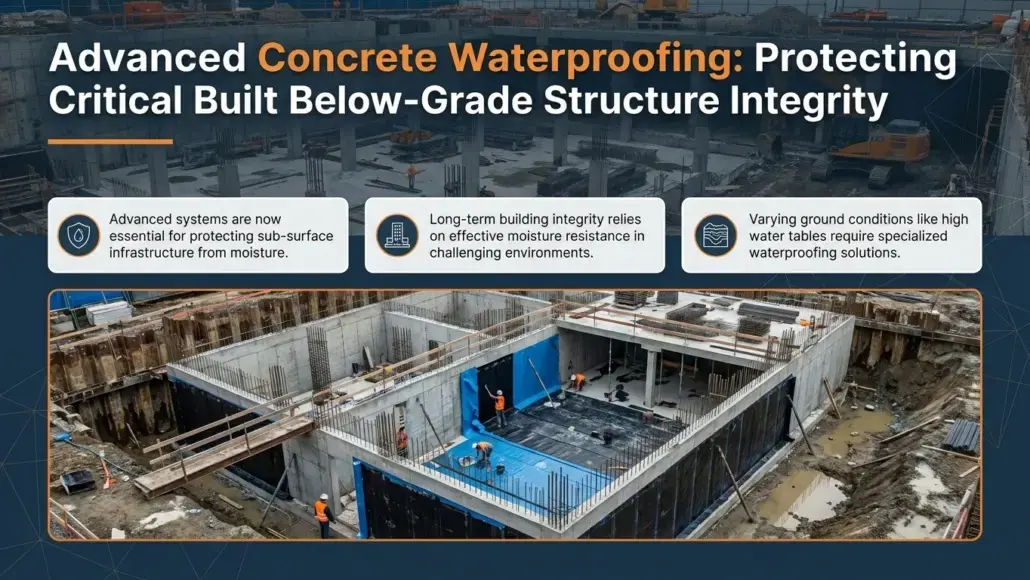


The long-term integrity of any building is fundamentally tied to its ability to resist the ingress of moisture, especially in the challenging environment of below-grade construction. The deployment of advanced concrete waterproofing systems has become a non-negotiable requirement for protecting foundations, basements, and sub-surface infrastructure from the damaging effects of water. Ground conditions vary significantly between sites, with factors such as high water tables, corrosive soil chemicals, and fluctuating hydrostatic pressure posing constant threats to the structural health of a project. Without a robust strategy for moisture management, concrete elements can suffer from reinforcement corrosion, freeze-thaw damage, and the growth of harmful microorganisms, all of which compromise the safety and longevity of the asset.
Modern engineering approaches have moved beyond simple surface coatings to incorporate comprehensive systems that address moisture resistance from multiple angles. These solutions include integral crystalline admixtures, high-performance external membranes, and sophisticated drainage layers that work together to create a reliable barrier. The selection of a specific waterproofing methodology is a complex process that must account for the anticipated service life of the building, the local environmental conditions, and the specific structural requirements of the design. As urban areas become more densely populated, the need for deeper and more complex below-grade structures continues to grow, placing even greater emphasis on the effectiveness of these protection systems.
Integral Crystalline Technology and Chemical Integration
Integral crystalline technology represents a significant leap forward in the design of protective admixtures. Instead of relying solely on an external barrier, these admixtures are incorporated directly into the concrete mix during the batching process. When water comes into contact with the concrete, the chemicals in the admixture react to form millions of needle-like crystals that fill the capillaries and micro-cracks within the material. This process effectively turns the concrete itself into a waterproof barrier that is capable of self-healing small cracks that may develop over time due to settlement or thermal expansion. This internal protection is particularly advantageous for complex geometries where traditional sheet membranes might be difficult to apply correctly.
The use of integral systems also simplifies the construction schedule by reducing the number of steps required for the waterproofing phase. Because the protection is built into the material, there is no need to wait for the concrete to cure before applying a separate membrane, nor is there a risk of the waterproofing layer being damaged during the backfilling process. However, it is important to recognize that integral systems are most effective when combined with proper joint management. Water-stops and specialized sealants must be used at all construction joints and penetrations to ensure that the entire below-grade envelope remains watertight. The synergy between chemical admixtures and mechanical joint protection is what defines the most successful modern waterproofing strategies.
High Performance Membrane Barriers and External Protection
For sites with extreme hydrostatic pressure or highly aggressive soil conditions, external membrane barriers remain a critical component of below-grade structure protection. These membranes are available in various forms, including pre-applied sheets that bond directly to the poured concrete and post-applied systems that are installed after the forms are removed. Modern materials such as high-density polyethylene and polymer-modified bitumens offer exceptional resistance to tearing, puncturing, and chemical degradation. The goal of an external membrane is to provide a continuous, seamless envelope around the below-grade structure, preventing water from ever reaching the concrete surface.
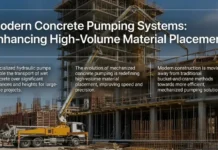
Proper installation is paramount to the success of any membrane system. Even the most advanced material will fail if the seams are not correctly sealed or if the substrate is not properly prepared. The efficacy of concrete waterproofing systems is often maximized when the initial substrate is placed using high-precision concrete pumping systems to avoid structural voids. By ensuring a dense and uniform concrete pour, contractors create a stable foundation for the waterproofing layers to follow. Furthermore, many modern membranes now incorporate specialized geotextile layers that provide both protection during backfilling and a pathway for groundwater to reach the site’s drainage system. This holistic approach to moisture management reduces the pressure on the primary barrier and extends the overall life of the waterproofing solution.
Hydrostatic Pressure Management and Drainage Systems
Waterproofing should not be viewed solely as a barrier against moisture; it must also involve the active management of the water surrounding the building. Hydrostatic pressure is one of the most common causes of waterproofing failure, as it can force water through even the smallest imperfections in the system. To mitigate this risk, engineers often design comprehensive drainage systems that collect and divert groundwater away from the structure. This typically involves the use of perforated pipes, drainage mats, and free-draining backfill materials that reduce the buildup of pressure against the foundation walls.
The integration of drainage with concrete waterproofing systems creates a layered defense that is far more resilient than a single barrier approach. Drainage mats serve a dual purpose: they protect the primary waterproofing membrane from mechanical damage and provide a low-resistance path for water to flow downward to the footer drains. In many high-rise and deep basement projects, these systems are monitored using sensors that can detect changes in water pressure or the presence of moisture behind the wall. This data-driven approach allows facility managers to identify potential issues early and take corrective action before significant damage occurs. The combination of active drainage and passive barriers is the current gold standard for below-grade structure protection.
Quality Assurance and Field Verification Protocols
The consequences of a waterproofing failure in a below-grade structure are often catastrophic and extremely expensive to remediate. Therefore, rigorous quality assurance and field verification are essential parts of the installation process. This includes thorough inspections of the substrate before application, continuous monitoring of environmental conditions such as temperature and humidity, and detailed testing of the completed system. Methods such as electronic leak detection and flood testing are commonly used to verify the integrity of membranes before they are covered by backfill or finishing materials.
In addition to physical testing, documentation plays a vital role in quality assurance. Detailed records of the material batches used, the installation dates, and the names of the certified applicators provide a clear history of the waterproofing process. Many manufacturers offer extended warranties only if their products are installed according to strict guidelines and verified by an independent inspector. This commitment to quality not only protects the building owner but also encourages contractors to maintain high standards of workmanship. As the construction industry continues to professionalize, the emphasis on verified performance will only grow, making robust concrete waterproofing systems an even more critical part of the modern building envelope. Project teams must also ensure that every penetration, such as those for utility conduits and plumbing pipes, is treated with the same level of scrutiny as the main wall sections. Failure at these minor points can lead to localized leaks that eventually undermine the entire protective system. By adopting a comprehensive, detail-oriented approach to verification, contractors can mitigate the significant financial and structural risks associated with below-grade water intrusion. This thoroughness is particularly essential in high-density urban developments where remediation access is virtually non-existent once the structure is occupied.
Future Developments in Smart Waterproofing Solutions
The future of below-grade protection lies in the development of smart materials and integrated monitoring systems. Researchers are exploring the use of bio-based admixtures that use bacteria to heal cracks in concrete, as well as sensors that can be embedded directly into the waterproofing layers to provide real-time alerts regarding moisture levels. These advancements will allow buildings to actively respond to changes in their environment, further reducing the risk of water damage and extending the service life of the structure. Furthermore, the push for more sustainable construction is driving the development of waterproofing materials with lower volatile organic compound emissions and higher recycled content.
As these new technologies emerge, they will be integrated into the broader digital twin of the building, providing a comprehensive view of the structure’s health over time. The ongoing evolution of concrete waterproofing systems ensures that engineers and architects will have the tools they need to build safely and sustainably in even the most challenging environments. By embracing these innovations, the construction industry can continue to push the boundaries of what is possible in below-grade architecture, creating durable and resilient structures that stand the test of time. The focus on moisture management is a fundamental pillar of modern structural engineering, protecting not just the physical asset but also the comfort and safety of those who occupy it.