
























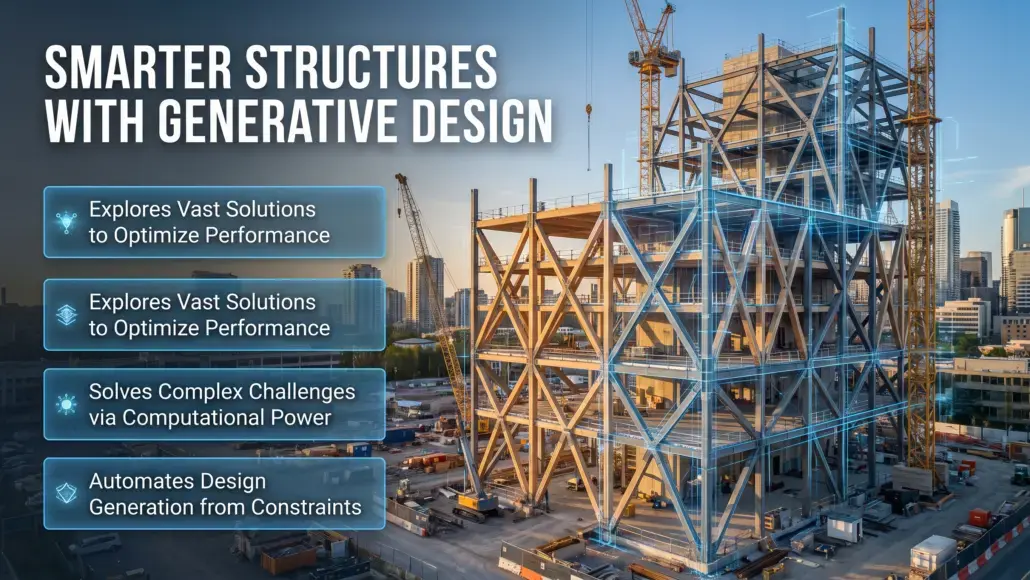


Modern structural engineering is increasingly reliant on the power of iterative computation to solve complex design challenges. At the forefront of this shift is generative structural design, a methodology that uses algorithms to explore a vast range of potential structural solutions based on specific performance goals. Unlike traditional design processes, where an engineer creates a design and then tests it, this approach begins with a set of constraints and allows the computer to generate the most efficient forms. By simulating thousands of design iterations in a fraction of the time it would take a human, these algorithms can identify material distributions that maximize strength while minimizing weight. This capability is particularly important in the construction of large scale building structures, where even a small percentage reduction in material use can lead to significant cost savings and environmental benefits.
The iterative nature of generative structural design ensures that the final solution is highly tuned to the specific needs of the project. Each cycle of the algorithm evaluates the performance of a design against criteria such as load bearing capacity, displacement, and material volume. Those designs that do not meet the standards are discarded, while those that perform well are further refined. This survival of the fittest approach to engineering leads to innovative geometries that are often more efficient than anything produced through manual drafting. For construction firms, this means the ability to deliver high performance buildings with fewer resources, effectively addressing the dual challenges of rising material costs and stricter environmental regulations. The precision of these computational methods provides a level of certainty that allows for more ambitious designs to be realized with confidence. As the complexity of modern building structures continues to increase, the reliance on these automated tools will only grow. Engineers can now explore geometric boundaries that were previously considered off limits due to the limitations of manual calculation. This expansion of the design space is not just about aesthetics; it is about finding the most logical and efficient way to inhabit the physical world. By grounding every design decision in data, the industry is moving toward a more scientific and predictable model of construction that benefits all stakeholders involved in the lifecycle of a building.
Balancing Structural Performance with Architectural Flexibility
One of the most significant advantages of generative structural design is its ability to balance rigorous structural performance with the need for architectural flexibility. In many projects, the tension between the aesthetic vision of the architect and the technical requirements of the engineer can lead to compromises that reduce the overall efficiency of the building. However, by using computational design tools, these two disciplines can collaborate more effectively. The algorithm can be programmed to respect certain architectural constraints, such as the placement of openings or the overall building silhouette, while still optimizing the internal structural skeleton. This ensures that the building structures are not only visually striking but also structurally sound and material efficient. The flexibility offered by these tools allows for the creation of complex, non linear forms that would be difficult to engineer using traditional methods.
In addition, the use of generative structural design facilitates a more exploration based approach to architecture. Designers are no longer limited by their own intuition or previous experience; they can use the algorithm to discover entirely new ways of supporting a load. This can lead to the discovery of lightweight, lattice like structures that provide exceptional strength with minimal mass. These optimized structures can be particularly beneficial in urban environments where land is limited and buildings must be taller and more slender. By integrating structural logic directly into the design phase, firms can avoid the costly “value engineering” process that often occurs when a design is found to be too expensive or difficult to build. Instead, the optimization is built into the design from the start, ensuring a smoother transition from concept to construction. This proactive integration is essential for managing the tight margins and schedules that define contemporary building structures. When structural efficiency is treated as a core design driver rather than a secondary constraint, the entire project team can work toward a unified goal of performance excellence. This shift in mindset is crucial for the successful delivery of high density urban developments that must maximize every square meter of space while maintaining strict adherence to safety and sustainability standards. The result is a more cohesive and successful project outcome that stands the test of time.
Enhancing Resource Efficiency through Automated Design Cycles
Resource efficiency is a top priority for the modern construction industry, and automated design cycles are a key driver of this effort. Generative structural design enables engineers to drastically reduce the amount of steel and concrete required for building structures by ensuring that every gram of material is used effectively. By automating the design process, firms can quickly evaluate the impact of different material choices and construction techniques on the total resource consumption of a project. This allows for more informed decision making early in the design cycle, when the potential for material savings is highest. For example, the algorithm might suggest a specific arrangement of trusses that uses 20 percent less steel than a standard design while maintaining the same level of safety and performance.
The automation of these design cycles also reduces the manual labor associated with structural modeling and analysis. Instead of spending weeks manually adjusting a model to meet performance goals, engineers can focus their expertise on defining the parameters and evaluating the outputs of the generative process. This shift in focus allows for a more strategic approach to engineering, where the goal is to create the best possible system rather than just a workable one. The time saved through automation can be reinvested into other areas of the project, such as improving construction logistics or enhancing building performance. As the industry continues to move toward more sustainable practices, the ability to achieve high levels of resource efficiency through algorithmic building configuration will become an essential skill for all structural engineers.
Evaluating Geometric Variability in High Performance Scaffolding
The implementation of high performance scaffolding and temporary works is another area where algorithmic building configuration is making a significant impact. Often, the temporary structures required to support a building during construction are almost as complex as the permanent structure itself. By applying optimization algorithms to these temporary systems, engineers can design scaffolding that is both safer and more efficient to assemble. The algorithm can evaluate geometric variability to ensure that the scaffolding provides maximum support with minimum interference to the construction activities. This leads to a more streamlined construction process and reduces the amount of temporary material that must be transported and managed on site.
In addition to improving the efficiency of temporary works, the evaluation of geometric variability allows for the creation of more resilient structural systems. By exploring a wide range of geometric configurations, engineers can identify designs that are less sensitive to construction tolerances or unexpected changes in loading. This resilientness is critical for ensuring the long term safety of building structures, especially in complex environments where multiple variables are at play. The ability to simulate how different geometries will behave under various conditions provides a deep understanding of structural behavior that goes beyond simple compliance with codes. This rigorous approach to design ensures that every project is built on a foundation of scientific evidence and computational excellence.
Long Term Economic Benefits of Computational Material Selection
Beyond the immediate savings in material and labor, algorithmic building configuration offers substantial long term economic benefits for building owners and developers. Buildings that are optimized for material use are typically lighter, which can lead to significant savings in foundation costs and seismic design requirements. In addition, the increased efficiency of the structural system can result in more usable floor space, as columns and beams are reduced in size or repositioned to be less intrusive. This maximization of leasable area directly improves the return on investment for commercial developments. The precision of computational material selection also ensures that the building is not over engineered, avoiding the unnecessary costs associated with excessive material usage.
Additionally, the durability and performance of optimized building structures lead to lower maintenance costs over the life of the asset. When materials are placed in their most efficient configurations, the distribution of stress is more uniform, reducing the likelihood of fatigue and structural failure. This long term stability is a key selling point for high quality developments and can lead to higher property values. As the construction industry becomes more data driven, the use of algorithmic building configuration will increasingly be seen as a mark of quality and innovation. The economic case for these technologies is clear: they allow for the creation of better buildings at a lower cost, while simultaneously addressing the urgent need for more sustainable construction practices. The continued adoption of these tools will shape the future of urban infrastructure for decades to come. As the technology becomes more accessible, it will empower a new generation of engineers to challenge the status quo and push the limits of what is possible in the construction of building structures. The focus will shift from simply meeting codes to exceeding them through the application of advanced computational logic. This evolution is necessary to meet the global demand for infrastructure that is not only functional but also responsible and resilient. By prioritizing material optimization today, the industry is setting the stage for a more sustainable and prosperous tomorrow where efficiency is the standard for every structure built.