
























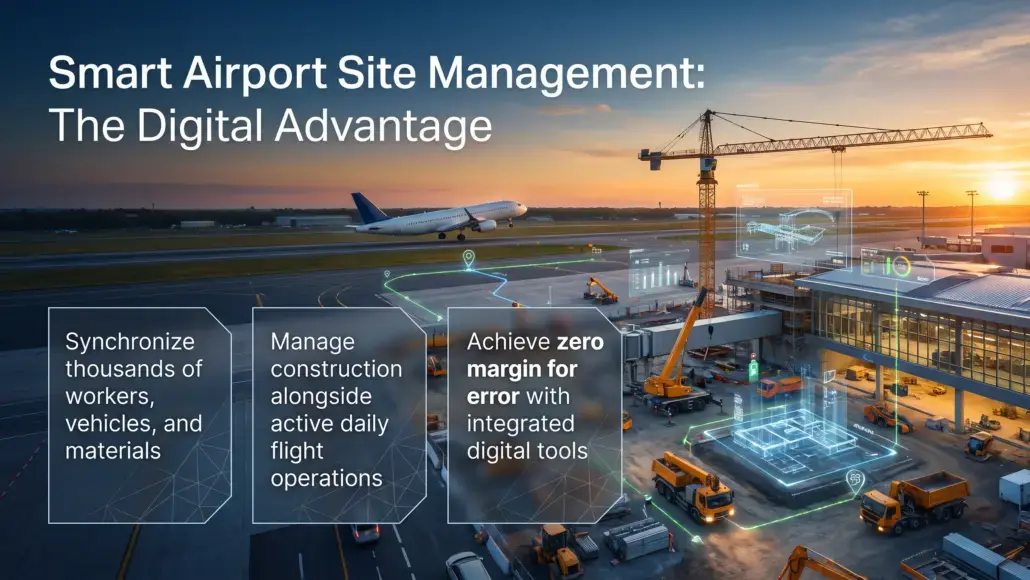


The complexity of modern aviation infrastructure requires a sophisticated approach to site management that transcends traditional methods. Integrated site management is essential for synchronizing the activities of thousands of workers, hundreds of vehicles, and vast quantities of materials within a highly restricted environment. In the context of an active airport, where construction must coexist with daily flight operations, the margin for error is non existent. By utilizing integrated digital platforms, project managers can gain real time visibility into every aspect of the build, allowing them to make informed decisions that prevent delays and ensure safety. This technological integration creates a unified operational picture, enabling all parties to work from a single source of truth and reducing the friction that often plagues large scale infrastructure developments.
Centralizing Communication through Cloud Based Management
One of the greatest hurdles in large airport projects is the siloed nature of communication between different contractors and departments. Modern cloud based platforms address this by centralizing all project data in a cloud based environment. This allows architects, engineers, and site supervisors to access the latest drawings, schedules, and permits from any device, whether they are in the office or on the airfield. By removing the reliance on paper based systems and fragmented email chains, the project team can significantly reduce the risk of miscommunication and the resulting errors. The ability to share information instantly ensures that everyone is working with the most current data, which is vital when design changes must be implemented quickly to accommodate operational requirements.
Cloud based platforms also facilitate better collaboration between the construction team and the airport’s operational departments. For example, if a taxiway needs to be closed for utility work, the construction manager can coordinate the closure directly with air traffic control through the digital platform. This ensures that the closure is timed to minimize the impact on flight schedules and that all necessary safety protocols are in place. The digital record of these communications provides a clear audit trail, which is essential for regulatory compliance and dispute resolution. By fostering a culture of transparency and open communication, these digital tools help to build a more cohesive and efficient project team, capable of overcoming the unique challenges of the aviation sector.
Managing Logistics in High Security Airside Environments
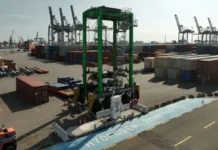
The logistics of an airport construction site are complicated by the need for strict security screening and the requirement to maintain a clean airfield, free of foreign object debris (FOD). Digital Site Coordination Streamlining Complex Airport Projects provides the tools necessary to manage these logistical challenges effectively. Automated scheduling systems can be used to coordinate the arrival of delivery vehicles, ensuring that they do not congregate at security gates and cause congestion. By providing drivers with specific time slots and digital access permits, the airport can streamline the entry process while maintaining the highest levels of security. This predictability is also beneficial for the contractors, as it reduces idle time for their drivers and equipment.
Once on site, the movement of vehicles and materials can be tracked in real time using GPS and RFID technology. This allows project managers to identify bottlenecks in the haul roads and adjust traffic patterns accordingly. The data collected from these tracking systems can also be used to optimize the placement of material stockpiles, ensuring that resources are located close to where they are needed. This minimizes the distance that vehicles must travel, reducing fuel consumption and the risk of accidents. Additionally, digital systems can be used to monitor the cleanliness of the site, alerting crews when sweeping is required to prevent FOD from reaching the runways. Through this level of detailed coordination, the project can maintain a high pace of construction without compromising the safety or security of the airport. The data collected from these logistical systems can also be used to optimize the procurement process, ensuring that materials are ordered and delivered just in time to meet the project’s needs. This reduces the amount of capital tied up in inventory and minimizes the risk of materials being damaged or lost while in storage.
Additionally, the digital tracking of vehicles provides a wealth of data that can be used to improve the environmental performance of the construction site. By identifying and reducing unnecessary idling and inefficient routes, the project can significantly lower its carbon footprint. This is increasingly important for airport authorities who are under pressure to demonstrate their commitment to sustainability. The ability to provide detailed reports on the environmental impact of the construction activities is also beneficial for securing future funding and regulatory approvals. By integrating sustainability into the core of the logistical operations, the project team can deliver a facility that is both efficient and environmentally responsible. This holistic approach to site management is essential for the long term success of any major aviation infrastructure project, providing a stable foundation for growth and innovation.
Real Time Resource Allocation and Equipment Tracking
Managing a fleet of heavy equipment across a site that may span several miles is a daunting task. Digital Site Coordination Streamlining Complex Airport Projects enables managers to track the location and utilization of every piece of machinery in real time. Sensors mounted on excavators, cranes, and pavers provide data on their operating hours, fuel consumption, and maintenance needs. This allows for more efficient resource allocation, as equipment can be shifted between different areas of the site based on the current workload. For example, if one terminal wing is ahead of schedule while another is lagging, resources can be redirected to ensure that the entire project remains on track.
Predictive maintenance is another major benefit of digital equipment tracking. By analyzing the data from the sensors, maintenance teams can identify potential mechanical issues before they lead to a breakdown. This allows for repairs to be scheduled during off peak hours, minimizing the impact on construction activities. The digital record of equipment utilization also provides valuable data for future projects, helping managers to select the most efficient machinery for specific tasks. By maximizing the uptime and efficiency of the equipment fleet, the project can achieve significant cost savings and ensure a more predictable construction timeline. This data driven approach to asset management is a key component of a modern, efficient construction operation.
Conflict Resolution through Digital Clash Detection
In the dense and complex environment of an airport terminal, the coordination of structural, mechanical, and electrical systems is a major challenge. Digital Site Coordination Streamlining Complex Airport Projects utilizes advanced clash detection software to identify potential conflicts between these systems before they occur on site. By overlaying the 3-D models from different departments, the software can flag areas where a structural beam might interfere with a ventilation duct or an electrical conduit. Resolving these clashes in the digital environment is far faster and more cost effective than dealing with them during the installation phase.
This proactive approach to conflict resolution reduces the number of requests for information (RFIs) and change orders, which are major drivers of project delays and cost overruns. The ability to visualize the entire project in three dimensions also allows the team to optimize the layout of the systems for easier maintenance and operation. For example, engineers can ensure that critical valves and control panels are easily accessible for future technicians. The digital model serves as a comprehensive guide for the installation teams, providing them with clear instructions and reducing the likelihood of errors. By ensuring that every component fits perfectly the first time, the project can proceed more smoothly and with a higher level of quality.
Enhancing Transparency for Multi Tiered Stakeholder Groups
Large airport projects involve a wide range of stakeholders, from government officials and airline executives to local residents and environmental groups. Digital Site Coordination Streamlining Complex Airport Projects provides the transparency necessary to keep all these groups informed and engaged. Project dashboards can be used to share key performance indicators (KPIs), such as progress against milestones, safety records, and budget performance. This real time data allows stakeholders to see the current status of the project at a glance, building trust and confidence in the management team.
The digital record of the project is also invaluable for public consultations and regulatory approvals. High resolution imagery and 3-D models can be used to illustrate the impact of the construction on the surrounding environment and to show how the finished facility will look. This visual evidence is much more persuasive than technical reports and can help to secure the support of the local community. Additionally, the digital audit trail provided by these systems is essential for meeting the rigorous documentation requirements of aviation authorities. By maintaining a comprehensive and accessible record of every aspect of the build, the project team can ensure that the facility is delivered to the highest standards of quality and compliance. This commitment to transparency is a hallmark of a professional and accountable construction operation, essential for the success of any major public infrastructure project. The use of virtual reality (VR) and augmented reality (AR) can also be integrated into the stakeholder engagement process, allowing airline partners to “walk through” the new terminal years before it is completed. This level of immersion provides a much deeper understanding of the passenger flow and operational efficiency than static 2-D drawings ever could.
By involving stakeholders early and often through these digital tools, the project team can identify and address concerns before they become major issues. This proactive engagement leads to a more collaborative and supportive environment, which is vital for the long term success of the airport. The digital record also serves as a valuable resource for future expansion projects, providing a detailed history of the design and construction decisions that were made. This continuity of information ensures that each new development builds upon the successes of the previous ones, leading to a more cohesive and efficient aviation hub. In an increasingly complex and interconnected world, the ability to communicate clearly and transparently with all stakeholders is a critical competitive advantage.