

























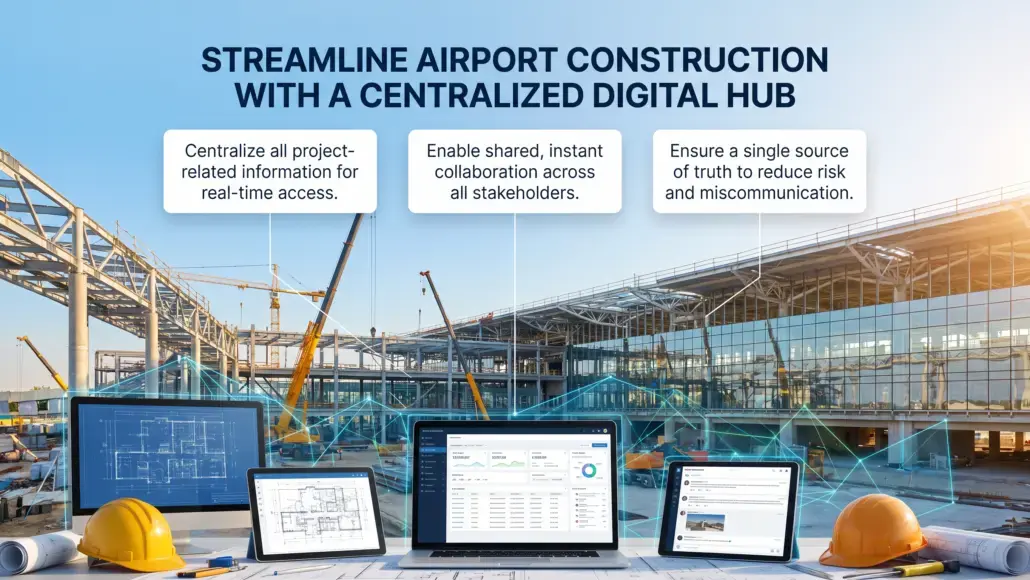


The sheer volume of information generated during the design and build of a major international terminal can be overwhelming, often leading to fragmented workflows and miscommunication. Integrated digital management solutions provide a centralized digital hub where all project related information is stored, managed, and shared in real time. This unified approach ensures that every stakeholder, from the lead architect to the site supervisor, is working from the same set of data, reducing the risk of errors and the resulting rework. In the highly regulated and complex environment of airport construction, the ability to maintain a consistent and accurate record of the project’s progress is essential for meeting safety, quality, and budgetary goals. By breaking down the data silos that traditionally separate different engineering disciplines, these platforms foster a more collaborative and efficient project environment.
Creating a Single Source of Truth for Aviation Assets
The concept of a “single source of truth” is fundamental to the success of any large scale infrastructure project. Modern data management systems ensure that all design documents, technical specifications, and construction schedules are housed in a single location that is accessible to all authorized personnel. This eliminates the confusion caused by multiple versions of the same drawing circulating among different teams. When a change is made to the design, it is updated globally, ensuring that everyone is aware of the modification instantly. This level of synchronization is critical in airport projects, where a change in one system, such as a baggage conveyor route, can have significant implications for other systems like electrical wiring or structural support.
Having a centralized repository of information also facilitates better version control and document management. Every change is tracked, providing a clear history of how the project has evolved over time. This audit trail is invaluable during the commissioning phase, where every system must be verified against the final design. It also provides a valuable resource for future maintenance and expansion projects, as facility managers can easily access the “as built” data for every component of the airport. By providing a reliable and comprehensive record of the project, these data platforms build confidence among all stakeholders and ensure that the facility is delivered exactly as intended. The transition from construction to operation becomes much smoother when the data is already organized and accessible in a structured format.
Interdisciplinary Data Sharing and Real Time Updates
Airport construction involves a vast array of specialized disciplines, each generating its own set of data and technical requirements. Construction Data Platforms facilitates the integration of these diverse datasets into a unified model, often utilizing advanced Building Information Modeling (BIM) technology. This interdisciplinary approach allows for the identification of potential conflicts between different systems early in the design phase. For example, the platform can flag areas where a fire suppression pipe might interfere with a security camera’s line of sight or a structural column. Resolving these issues in the digital environment is far more efficient than dealing with them on the construction site, where changes are costly and time consuming.
Real time updates are another major advantage of these platforms. As work progresses on site, site supervisors can upload photos, inspection reports, and progress updates directly from their mobile devices. This information is instantly available to the project management team, allowing them to monitor the project’s status in real time. If a particular area of the build is lagging behind or if a quality issue is identified, resources can be redirected immediately to address the problem. This rapid feedback loop enables faster decision making and ensures that the project remains on schedule. The ability to share these updates with airline partners and airport authorities also enhances transparency and builds trust, as everyone can see the tangible progress being made.
Regulatory Compliance and Automated Audit Trails
Aviation infrastructure is subject to some of the most stringent regulatory requirements in the construction industry. Construction Data Platforms simplifies the task of maintaining compliance by automating the collection and organization of the necessary documentation. Every inspection report, safety permit, and material certification is stored within the platform and linked to the relevant part of the build. This makes it easy for regulatory authorities to conduct audits and verify that the facility meets all safety and quality standards. The ability to generate comprehensive compliance reports at the touch of a button saves countless hours of manual labor and reduces the risk of human error.
The automated audit trail provided by these platforms is also essential for dispute resolution. If a disagreement arises between a contractor and the airport authority, the digital record provides an objective and definitive account of what work was performed, when it was done, and who was responsible. This transparency helps to resolve issues quickly and fairly, minimizing the risk of expensive legal battles. Additionally, the digital record of the project serves as a permanent archive that can be used to demonstrate compliance for the entire life of the facility. This long term accountability is a key requirement for public infrastructure projects, and data platforms provide the tools necessary to meet it effectively. By ensuring that every aspect of the build is documented and verified, the project team can deliver a facility that is both safe and fully compliant with all regulations. The use of digital signatures and blockchain technology can further enhance the security and integrity of the project record, providing an immutable history of every design and construction decision. This level of data security is particularly important for airports, which are critical national infrastructure and subject to high levels of scrutiny.
By maintaining a secure and accessible project record, the airport can also streamline the process of securing insurance and financing for future expansions. Insurers and lenders are often more willing to provide favorable terms when they have a clear and detailed understanding of the facility’s construction quality and maintenance history. The ability to demonstrate a proactive approach to risk management, supported by data from the construction platform, is a major competitive advantage for any aviation hub. This long term focus on data integrity ensures that the airport remains a valuable and secure asset for the community, providing a stable foundation for economic growth and social development. Through these combined efforts, the project team can deliver a facility that meets the highest standards of safety, quality, and accountability.
Managing the Facility Lifecycle from Design to Decommissioning
The utility of a construction data platform extends far beyond the completion of the physical building. Construction Data Platforms creates a digital twin of the airport that can be used to manage the facility throughout its entire lifecycle. This model includes detailed information on every component, including its manufacturer, installation date, and maintenance requirements. Facility managers can use this data to plan preventative maintenance, schedule repairs, and optimize the performance of the building systems. For example, if a specialized heating unit is nearing the end of its service life, the platform can alert the maintenance team so that a replacement can be ordered in advance.
As the airport evolves and expands over the decades, the digital twin provides a valuable baseline for future construction. New projects can be designed and integrated into the existing model, ensuring that they are compatible with the original infrastructure. This continuity of information reduces the cost and risk of future expansion projects and ensures that the airport remains a cohesive and efficient facility. When the time comes for a particular part of the airport to be decommissioned or renovated, the digital record provides a detailed guide for the demolition or renovation process, identifying potential hazards and ensuring that the work is performed safely and efficiently. By providing a holistic view of the facility’s lifecycle, these data platforms ensure that the airport remains a valuable and sustainable asset for the long term. The data collected during the construction phase can also be used to optimize the airport’s energy performance, identifying opportunities to reduce consumption and lower greenhouse gas emissions. For example, sensors installed during the build can monitor the efficiency of the HVAC and lighting systems in real time, allowing facility managers to make adjustments as needed. This data driven approach to sustainability is essential for meeting the ambitious environmental goals of the aviation industry and reducing the airport’s overall carbon footprint.
Additionally, the digital twin can be used to simulate different operational scenarios, such as a sudden increase in passenger volume or a change in aircraft types. This allows facility managers to test the impact of these changes on the airport’s infrastructure and to develop strategies to mitigate any negative effects. This predictive capability is a key component of a resilient and adaptable aviation hub, capable of responding to the challenges of an uncertain future. By building a facility that is both efficient to build and intelligent to operate, the industry can ensure that it meets the growing demands of global travel while maintaining the highest standards of safety and sustainability. This comprehensive approach to lifecycle management is a hallmark of a professional and forward thinking construction operation, essential for the success of any major infrastructure project. Every step toward a more integrated and data driven facility is a step toward a more connected and successful future for all.
Enhancing Transparency across Multi Tiered Stakeholder Groups
Large airport projects involve a wide range of stakeholders, each with their own set of interests and concerns. Construction Data Platforms Improving Airport Project Collaboration provides the transparency necessary to keep all these groups informed and aligned. Project dashboards can be used to share high level summaries of the project’s progress, budget, and safety performance with executive leadership and government officials. At the same time, more detailed data can be shared with technical teams and subcontractors to coordinate their daily activities. This tiered approach to information sharing ensures that everyone has the data they need without being overwhelmed by irrelevant details.
The ability to provide stakeholders with visual representations of the project, such as 3-D models and virtual walkthroughs, is also a major benefit. These tools make it easier for non technical stakeholders to understand the project’s impact and to see how the finished facility will benefit the community. This enhanced communication helps to secure the support of the public and local authorities, which is essential for the success of any major public works project. By fostering a culture of transparency and collaboration, these data platforms help to build a more resilient and supportive project environment, capable of overcoming the unique challenges of the aviation sector. In a world where information is the most valuable asset, the ability to manage and share data effectively is the key to success in modern airport construction. Through these integrated digital systems, the industry can build more complex, efficient, and sustainable facilities than ever before, ensuring the continued growth and success of global aviation.