

























The construction industry has historically been one of the least digitized sectors of the global economy, often relying on manual labor and fragmented communication. However, the tide is turning with the advent of hyper automation construction. This concept goes beyond simple task automation; it involves the strategic combination of artificial intelligence (AI), robotic process automation (RPA), machine learning, and advanced analytics to automate as many business and site processes as possible. By creating a unified ecosystem of intelligent tools, hyper-automation is streamlining workflows, reducing human error, and allowing construction firms to scale their operations with a level of efficiency that was previously unimaginable.
Hyper-automation is particularly impactful because it addresses both the back-office and the job site. In the office, RPA can handle repetitive administrative tasks such as invoice processing, payroll, and compliance tracking, freeing up staff for more strategic roles. On the site, AI-driven robotics and autonomous machinery are taking over high-risk or repetitive physical tasks, such as site grading, bricklaying, and structural monitoring. When these two spheres are connected through a centralized data platform, the entire operation becomes a synchronized, self-optimizing engine. This holistic approach to digital transformation construction is what sets hyper-automation apart from previous technological shifts.
The Convergence of AI and Robotics on the Job Site
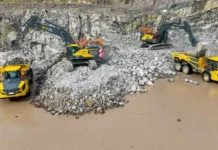
The physical manifestation of hyper automation construction is most visible in the rise of autonomous machinery and robotics. We are no longer looking at prototypes; today, autonomous dozers and excavators are being deployed on large-scale infrastructure projects to perform earthmoving tasks with millimeter precision. These machines use GPS, lidar, and computer vision to navigate complex environments, working 24/7 without the need for breaks or shifts. This not only accelerates the project timeline but also significantly improves safety by removing human operators from hazardous zones. The data captured by these machines is then fed into AI algorithms to optimize fuel consumption and predict mechanical maintenance needs.
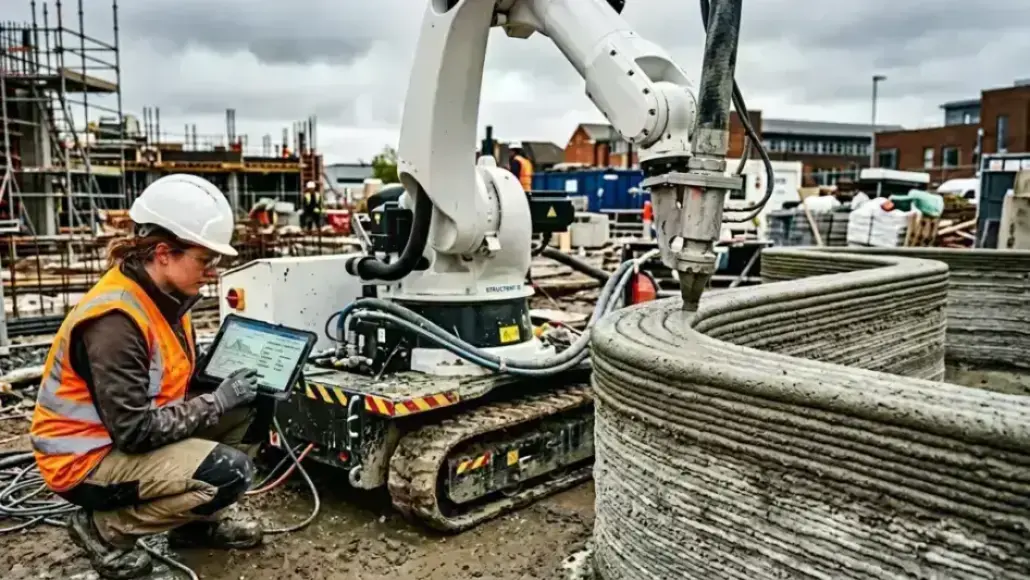
Beyond heavy machinery, specialized robots are being used for intricate tasks like 3D printing of concrete walls and autonomous layout printing on floor slabs. These robots can interpret architectural drawings and translate them directly onto the physical site, eliminating the errors inherent in manual measurements. This level of AI robotics construction ensures that the “as-built” reality matches the “as-designed” digital model with absolute fidelity. As these technologies become more affordable and portable, we can expect to see them on a wider range of projects, from high-rise residential buildings to complex industrial facilities.
Streamlining Back-Office Workflows and Data Management
While the robots on site capture the headlines, the automation of back-office operations is equally vital for the success of modern construction firms. Hyper automation construction leverages RPA to manage the massive amounts of paperwork and data generated by a project. For instance, submittals, RFIs (Requests for Information), and change orders can be automatically routed, tracked, and archived using intelligent workflows. This ensures that no critical information falls through the cracks and that project managers always have an accurate view of the project’s status and budget.
Furthermore, hyper-automation enables real-time financial transparency. By integrating project management software with accounting systems through automated APIs, firms can track expenditures against the budget in real-time. If a specific task is trending over budget, the system can automatically flag the variance and trigger a root-cause analysis. This proactive approach to cost control is essential in an industry where margins are often thin and unexpected costs can quickly derail a project. The ability to manage data as a strategic asset, rather than a burden, is a hallmark of a hyper-automated construction operation.
Predictive Analytics and Project Optimization
A key component of hyper-automation is the use of advanced analytics to turn raw data into actionable insights. By analyzing historical project data alongside real-time site information, AI can predict potential delays before they happen. For example, if the weather forecast indicates a period of heavy rain, the system can automatically adjust the construction schedule, reassign labor to indoor tasks, and notify suppliers to delay material deliveries. This level of smart construction operations allows for a more resilient and adaptable project plan, minimizing the impact of external variables.
Predictive analytics also plays a crucial role in resource allocation. By understanding the productivity patterns of different crews and machines, project managers can optimize the deployment of resources across multiple sites. This ensures that expensive equipment is never sitting idle and that labor is utilized in the most efficient manner. As the volume of data generated by sensors, drones, and wearable devices continues to grow, the power of hyper-automation to refine and optimize every aspect of construction will only increase. We are moving toward a future where “autonomous project management” becomes a reality.
Another emerging advantage of hyper automation construction is improved sustainability management across projects. Automated monitoring systems can track energy consumption, material usage, and equipment emissions in real time, helping companies reduce waste and meet environmental compliance targets more effectively. AI powered insights also support smarter procurement decisions by identifying resource inefficiencies and recommending sustainable construction practices that align with modern green building standards.
The Human Element in an Automated Industry
One of the most common concerns regarding hyper automation construction is the impact on the workforce. However, the goal of hyper-automation is not to replace humans, but to augment their capabilities. By automating the “dirty, dull, and dangerous” tasks, we can create a safer and more rewarding environment for construction professionals. The industry is currently facing a significant labor shortage; hyper-automation allows firms to do more with fewer people, while also attracting a new generation of tech-savvy talent. Workers who once spent their days performing manual measurements or filing paperwork will transition into roles as robot operators, data analysts, and systems integrators.
In conclusion, hyper-automation is the catalyst for a fundamental shift in how construction operations are managed and executed. By weaving together AI, robotics, and analytics, we are creating a more efficient, safe, and transparent industry. This transformation is not an overnight event but a continuous journey toward operational excellence. Firms that embrace hyper-automation will be better equipped to handle the complexities of modern projects, deliver higher quality results, and thrive in an increasingly competitive global market. The future of construction is here, and it is hyper-automated.