




























The building envelope is no longer just a physical shell; it is a complex, multi-layered system that must satisfy an array of competing demands, from thermal performance and fire safety to aesthetic impact and structural resilience. As the complexity of these building envelope systems has grown, the traditional methods of design and documentation have become increasingly inadequate. In response, the industry is undergoing a digital revolution, driven by the adoption of sophisticated digital planning tools that are transforming the way we conceive and construct our buildings. These tools allow for a level of coordination, simulation, and precision that was previously impossible, enabling project teams to deliver high-performance facades with greater speed and fewer errors. As we move toward a future of smart project delivery, the digital planning of the building skin has become the cornerstone of successful architectural execution.
The Role of BIM Construction in Integrated Design Coordination
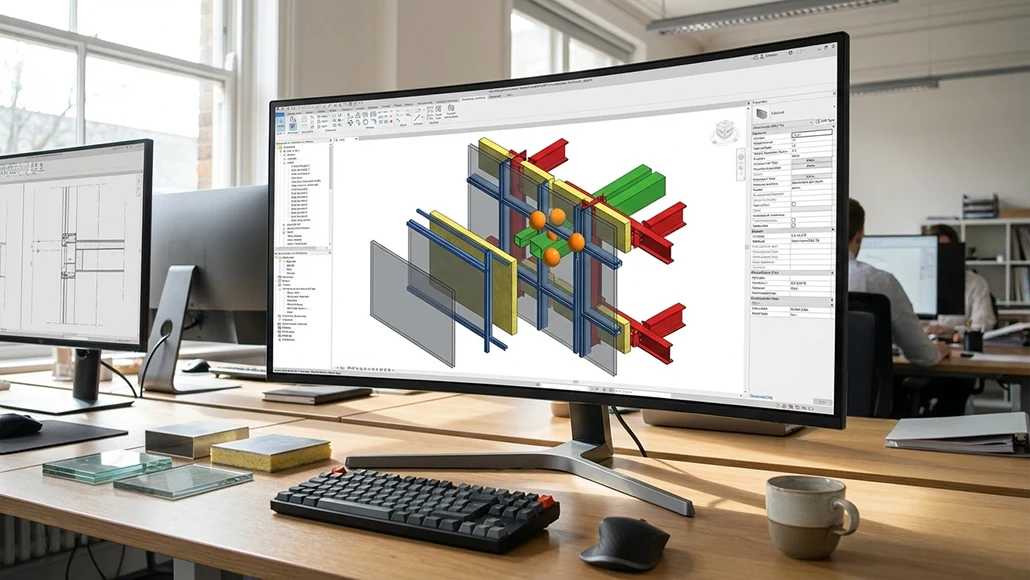
At the heart of this digital transformation is Building Information Modeling (BIM), a process that involves the creation of a data-rich, three-dimensional virtual representation of the building. In the context of BIM construction, the building envelope is no longer a set of disconnected drawings but a live, digital assembly where every pane of glass, structural bracket, and insulation layer is modeled with absolute precision. This integrated environment allows architects, facade consultants, and structural engineers to work on the same model simultaneously, ensuring that every component of the envelope is perfectly coordinated with the building’s internal structure and mechanical systems. This “single source of truth” eliminates the communication gaps that often lead to on-site clashes, such as a curtain wall support interfering with an HVAC duct. By resolving these issues in the digital world, project teams can save significant amounts of time and money, ensuring a much smoother and more predictable construction process.
Precision Design through Advanced Digital Design Tools
The use of digital design tools extends far beyond simple modeling; it allows for the parametric optimization of the entire building envelope. Architects can now use algorithms to test thousands of different facade variations, searching for the perfect balance between daylight penetration and solar heat gain. These tools can automatically adjust the size and orientation of shading fins or the transparency of glazing panels based on the specific solar path of the site. This level of precision design ensures that the building envelope systems are perfectly tailored to their environment, maximizing occupant comfort while minimizing the building’s overall carbon footprint. Furthermore, the data generated during the design phase can be fed directly into robotic manufacturing systems, ensuring that every panel is produced with millimetric accuracy. This seamless transition from “bits to atoms” is the essence of modern facade planning, reducing material waste and enabling the creation of incredibly complex architectural forms.
Performance Simulation and Environmental Resilience
One of the most powerful capabilities of modern construction software is the ability to simulate the performance of the building envelope under real-world conditions. Before a single brick is laid, project teams can conduct detailed thermal, acoustic, and structural simulations to verify that the design will meet its performance targets. For instance, CFD (Computational Fluid Dynamics) simulations can model the wind pressure on a high-rise facade, ensuring that the anchoring systems are robust enough to withstand extreme storm events. Similarly, thermal modeling can identify potential cold bridges that could lead to condensation and mold growth, allowing designers to refine the details of the wall assembly to ensure a healthy and durable interior environment. This ability to “test-drive” the building in a virtual environment is essential for creating resilient structures that can thrive in an increasingly unpredictable climate.
Lifecycle Optimization and the Digital Twin
The value of digital planning tools does not end when the building is completed. Instead, the BIM model evolves into a “digital twin” a live digital replica of the physical building that is used for lifecycle optimization. By integrating real-time sensor data into the model, property managers can monitor the health and performance of the building envelope systems throughout their entire operational life. This allows for a more proactive approach to maintenance, as the system can identify wear and tear or mechanical failures before they become major problems. For example, if a smart window seal begins to fail, the digital twin can alert the maintenance team and provide the exact specifications and location of the required part. This data-driven approach ensures that the building continues to perform at its peak for decades, protecting the value of the asset and ensuring the long-term comfort and safety of its occupants.
The Evolution of Smart Project Delivery and Collaboration
The adoption of digital planning tools is also changing the culture of the construction industry, fostering a more collaborative and transparent approach to project delivery. In a smart project delivery model, the digital model serves as a shared platform for all stakeholders, from the initial client briefing to the final handover. This transparency allows for better decision-making and risk management, as everyone has access to the most up-to-date information at all times. We are also seeing the rise of cloud-based collaboration platforms that allow project teams to access and edit the model from anywhere in the world, facilitating the global expertise that is often required for complex facade projects. This interconnectedness is essential for managing the intricate supply chains and tight schedules that define modern construction, ensuring that the right components arrive on site at exactly the right time.
Overcoming the Challenges of Digital Adoption
While the benefits of digital planning are clear, the transition toward these new methods is not without its challenges. It requires a significant investment in software, hardware, and, most importantly, human capital. Project teams must be trained in the use of complex modeling and simulation tools, and new workflows must be established to manage the vast amounts of data generated during the process. There are also important questions regarding data security and intellectual property that must be addressed as more of the design process moves into the cloud. However, the costs of not adopting these tools are increasingly high, as traditional methods become slower and less competitive. The industry is reaching a tipping point where the use of digital design tools for building envelope systems is no longer a luxury for flagship projects but a standard requirement for all quality construction.
The Future of Digital Planning and Artificial Intelligence
Looking ahead, we can expect to see even more dramatic advancements in the field of digital planning. The integration of artificial intelligence and machine learning will allow for even more sophisticated optimization, with algorithms that can learn from the performance of thousands of existing buildings to suggest the best solutions for a new design. We are also seeing the emergence of augmented and virtual reality tools that allow stakeholders to “walk through” the building envelope before it is built, providing a much more intuitive understanding of the space and the materials. These technologies will continue to blur the boundary between the digital and physical worlds, creating an even more seamless and efficient path from conception to completion. In this rapidly evolving landscape, the building envelope will remain the primary focus of innovation, standing as a testament to the power of digital tools to create a better, smarter, and more sustainable built environment.
In conclusion, the digital transformation of building envelope systems is a vital part of the broader evolution of the construction industry. By embracing the power of BIM, performance simulation, and lifecycle optimization, we are creating buildings that are more efficient, more resilient, and more beautiful than ever before. These digital planning tools are the keys to unlocking the full potential of our architectural vision, allowing us to build for the future with confidence and precision. As we continue to refine these processes and embrace new technologies, the building skin will remain at the forefront of the digital revolution, shaping the performance and identity of our cities for generations to come. The future of construction is digital, and by putting these tools at the heart of our practice, we can build a world that is as smart as it is enduring.